
Gem Buying Guide Blue Sapphires
Shop Jyotish gemstones like an expert with our Buying Guides.
Blue Sapphire Buying Guide: Quality and Price
Ideal Origin: Ceylon, Sri Lanka
Sri Lanka produces the most desirable yellow sapphires in the world. Stones from other regions can be purchased but they lack the bright, vivid lemon yellow color characteristic of material coming from Ceylon.
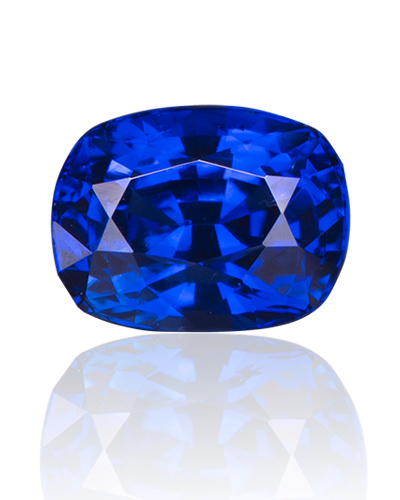
Ideal Color: Fine “Cornflower Blue”
A popular color term in the industry, used to describe high quality Ceylon sapphires, is “cornflower blue.” This is more of a marketing term than a gemological one, but it’s meant to describe a pleasing vivid blue color with slight purple undertones.
Ceylon blue sapphires come in a wide range of colors. Pale, gray, and sky blue sapphires cost less per carat than more intense or deeper blue sapphires. While the ideal depth of color is subject to personal preference, always look for sweet, pleasing, open tones. The gem should not be so dark that it almost looks black in certain lighting conditions.
Many years ago, we grew some heirloom cornflowers to compare their color to our blue sapphires. “Cornflower blue” may be an overly used term in the business but it is an accurate description.
Ideal Clarity Grade: Internally Flawless to VS2
Blue Sapphires should be as close to eye-flawless as possible. They’re a Type 2 gemstone, meaning that under high levels of magnification, some insignificant inclusions can be anticipated even in top material. Minor rutile silk inclusions are acceptable and prove that the gem has not been heat treated.
Avoid any but the most minute crystal inclusions, the gem should have no cracks or cloudiness. Avoid moderate to significant color zoning (streaks of transparency with no color).
Clarity grades below VS2 should be avoided when buying high quality blue sapphires.
shape and cut: Oval, cushion, emerald, trillion, round
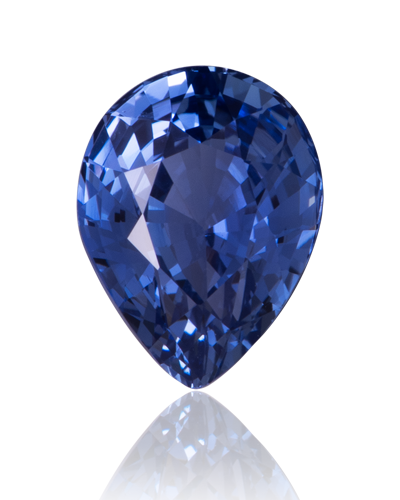
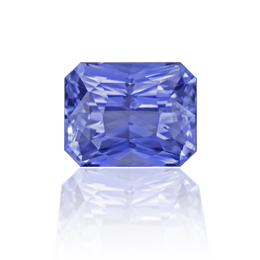
Sapphires are cut to maximize their carat weight. Ovals and cushions tend to maximize weight and therefore value. Rounds are more expensive as valuable material is cut away from the corners to make a round shape. Emerald and radiant cuts are less common in blue sapphires but can be found at good prices now and then.
Go for a Great Cut: Precious blue sapphires should have beautiful brilliant faceting, good symmetry, and no window of transparency through the center.
Price Range: $800 to $4,000 per carat
Premium blue sapphires will range in price dramatically based on their depth of color.
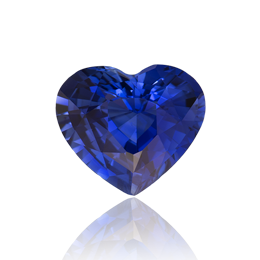
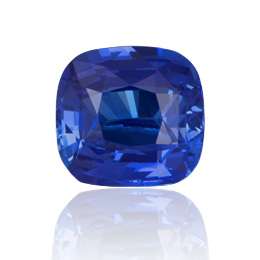
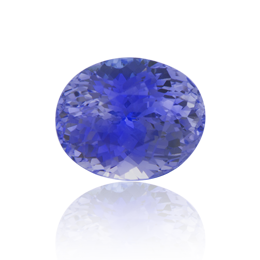
Vedic Astrology Criteria: Blue Sapphire Buying Guide
Minimum Size: 2 carats
Classic texts recommend a minimum of 2 carats. A 1.8ct sapphire will still work for Jyotish if it’s ideal quality. 3 carats is very sufficient and 4 carats is more than sufficient for most people.
Some shapes have symbolic meaning but chances are the best shape for you is the one that you resonate with the most.
What to Avoid: Heat Treatment
Avoid heated Blue Sapphires of all types. The Garuda Purana states that heated Blue Sapphires are dangerous for the wearer.
Color for Jyotish: A wide range is acceptable
Light blue works well for Vedic Astrology especially when the stone has a brilliant cut and reflects a lot of light. If buying a light blue sapphire for Jyotish, larger stones are better than darker ones.
Uparatnas: Blue spinel and amethyst
Uparatnas are secondary gemstones, or substitute gems, in Vedic Astrology. Blue spinel and amethyst are substitute stones for blue sapphire if one is on a budget and cannot afford a primary stone.
Blue spinel can be worn in the 2-3ct size range for effect. Amethyst should be a minimum of 8 to 20 carats for tangible Jyotish results.