

Gem buying guide
Secondary Gemstone Buying Guide
Shop Jyotish gemstones like an expert with our Buying Guides.
Secondary gemstones, called uparatnas in Vedic Astrology (Jyotish), are alternatives to the primary planetary gems. A fine secondary stone can be a practical choice when the primary gemstone is outside your budget.
Secondary stones like yellow topaz, blue spinel, and phenakite are commonly worn for astrology to support the same planets as the primary gems, more gently and more affordably. But not every secondary stone works for astrology. It’s very important to educate yourself on which ones will work and why.
Start by finding out which planet would be helpful to strengthen in your birth chart. The same chart considerations apply to secondary stones. You can use our free gem report as a starting point.
At a glance
- 1
Choose quality first
A fine, natural, untreated secondary gem is a better choice than a poor-quality primary gem. You can always upgrade later.
- 2
Match the gemstone to the planet
The seven planets each have uparatnas, from red spinel for the Sun to blue spinel and amethyst for Saturn.
- 3
Size and setting
Uparatnas are milder, so go larger: at least 3 carats for yellow topaz, and at least 8 to 10 carats for amethyst, citrine, and white topaz. Use the primary gem’s metal and finger.
- 4
Buy from a Vedic Gemologist whenever possible
Not all gems work for astrology. We specialize exclusively in gemstones for Jyotish, so every stone in our shop already meets these standards.
Choose quality first
Our approach is straightforward: choose a fine secondary gem over a poor-quality primary stone. If your budget won’t cover a clear, untreated yellow sapphire, a beautiful yellow topaz could be a better choice for Jupiter. A larger sapphire that’s cloudy, cracked, or heavily treated doesn’t become a better purchase simply because it’s a primary gem.
In Vedic Gemology, uparatnas are selected to support the same planet as their primary counterparts. They’re different minerals, so we assess their quality and size individually.
You can always start with an uparatna and upgrade to a primary gemstone later. It’s better to wear something than nothing at all, as long as quality comes first.
Match the gemstone to the planet
Each planet’s uparatnas are gentler substitutes for its primary gem. These are the ones we use.
| Planet | Primary gem | Uparatnas |
|---|---|---|
| Sun | Ruby | Red spinel, rhodolite garnet |
| Moon | Pearl | Moonstone |
| Mars | Red coral | Pink and peach coral |
| Mercury | Emerald | Green tourmaline, peridot |
| Jupiter | Yellow sapphire | Yellow topaz, citrine |
| Venus | Diamond | White sapphire, phenakite, white topaz |
| Saturn | Blue sapphire | Blue spinel, amethyst |
Sun: Red spinel is the Sun uparatna we prefer, followed by rhodolite garnet.
Moon: We carry moonstone for the Moon. Most of ours are a milky or silver color, the color that corresponds most strongly to the Moon. We usually don’t carry moonstone with a blue sheen, because a blue sheen activates Saturn.
Mars: Pink and peach coral are practical substitutes for red coral, and less intense. Our red coral guide covers them.
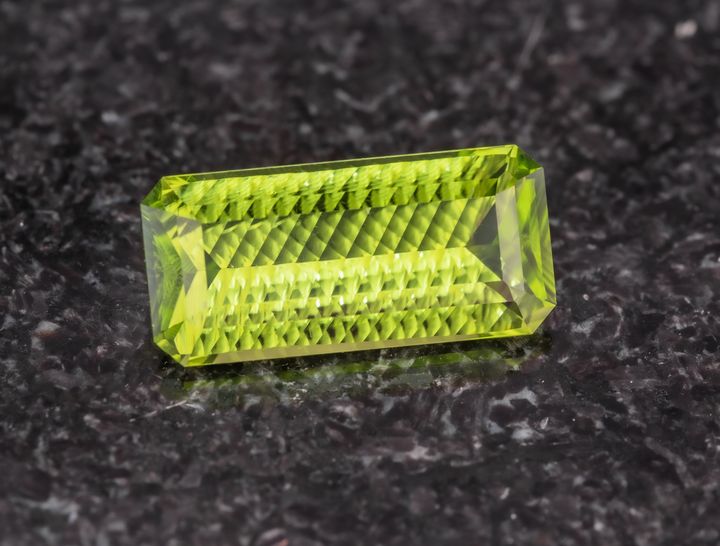
Mercury: Green tourmaline and peridot are the main Mercury uparatnas we use. Green tourmaline is a great gem for Mercury, and peridot is the third choice. In peridot, we look for a fresh, lively green and a stone that’s clean to the eye.
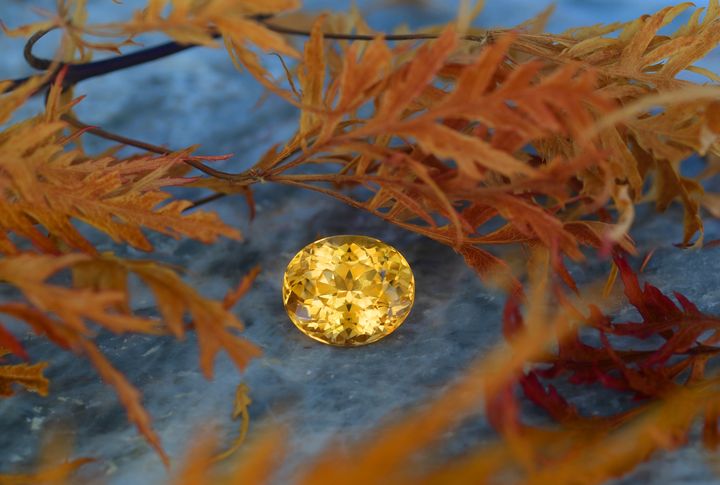
Jupiter: Yellow topaz and citrine are the main Jupiter uparatnas. Yellow topaz tends to work exceptionally well for the fire signs (Aries, Leo, and Sagittarius), and for those looking to strengthen the warmer side of Jupiter. Look for a pleasing yellow color, eye-clean clarity, and bright cutting. Citrine is a gentler, more general choice that can support wisdom and abundance.
Venus: White sapphire is the Venus uparatna we recommend most, and it has its own buying guide. Phenakite and white topaz are two more, and the budget-friendly way to strengthen Venus. White topaz is the most affordable of the three, and a softer, milder stone than white sapphire, so go larger. We look for 8 to 10 carats, colorless, eye-clean, and untreated. Phenakite is one of our favorites. It’s lesser known, but our customers report great results with it. You can read our phenakite buying guide here.
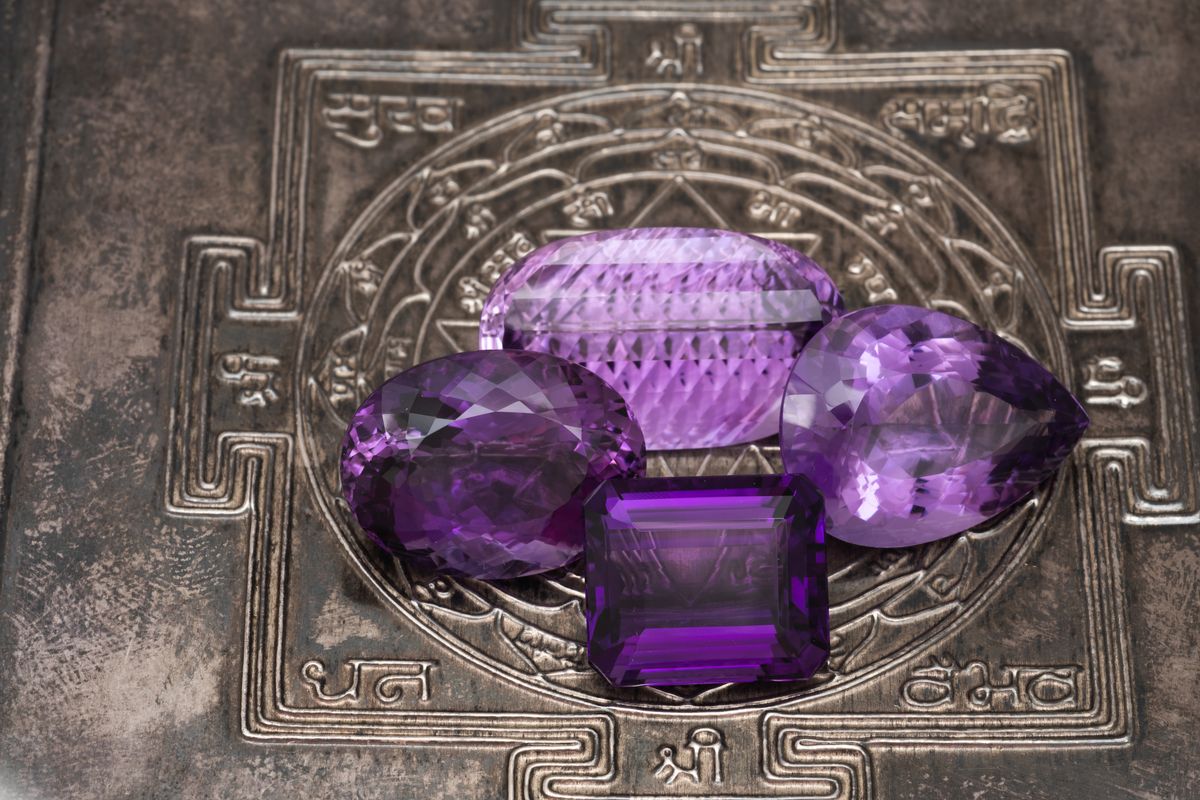
Saturn: Blue spinel and amethyst are the main Saturn uparatnas, both far more affordable than blue sapphire. Choose an attractive purple amethyst with a very high degree of clarity and enough brightness to see the faceting clearly.
The recommendation should account for the particular gemstone as well as the planet, rather than being based on color alone.
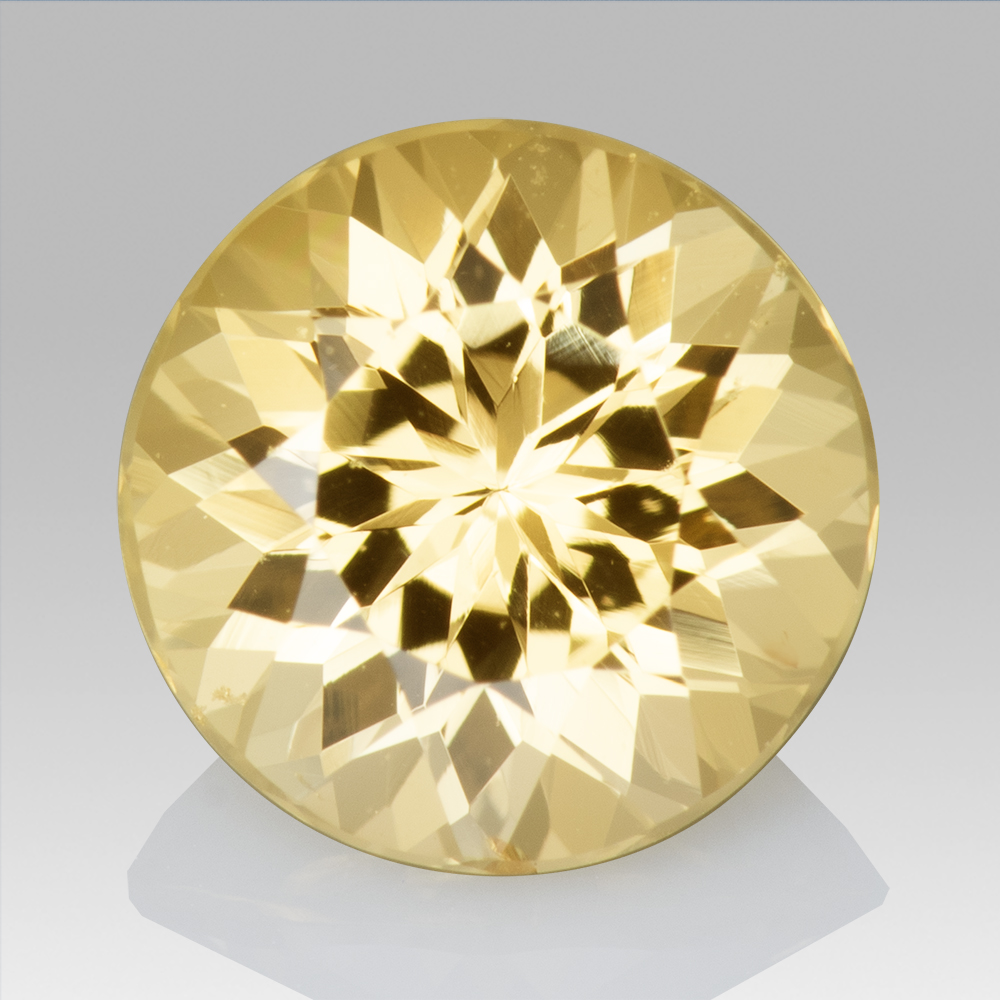
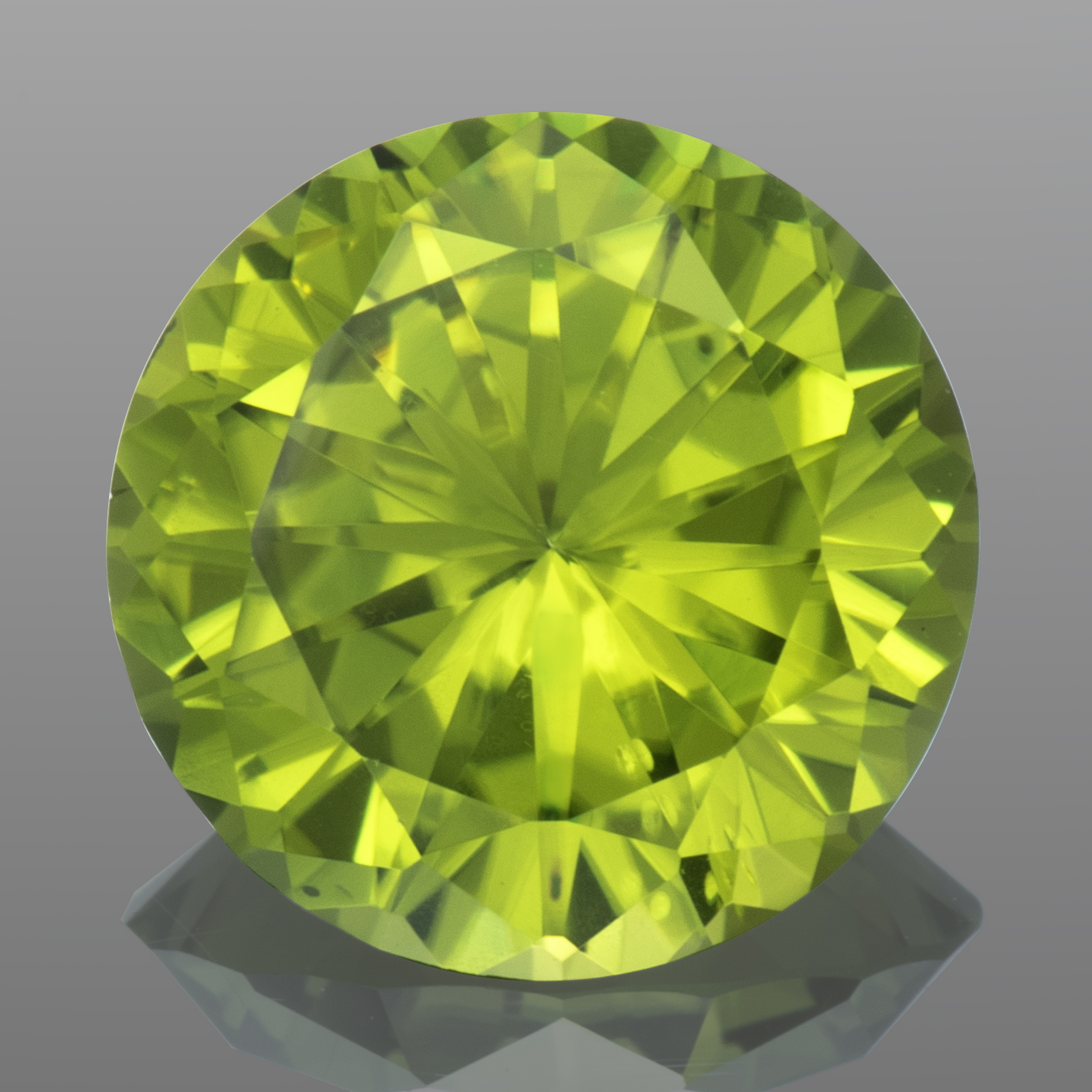
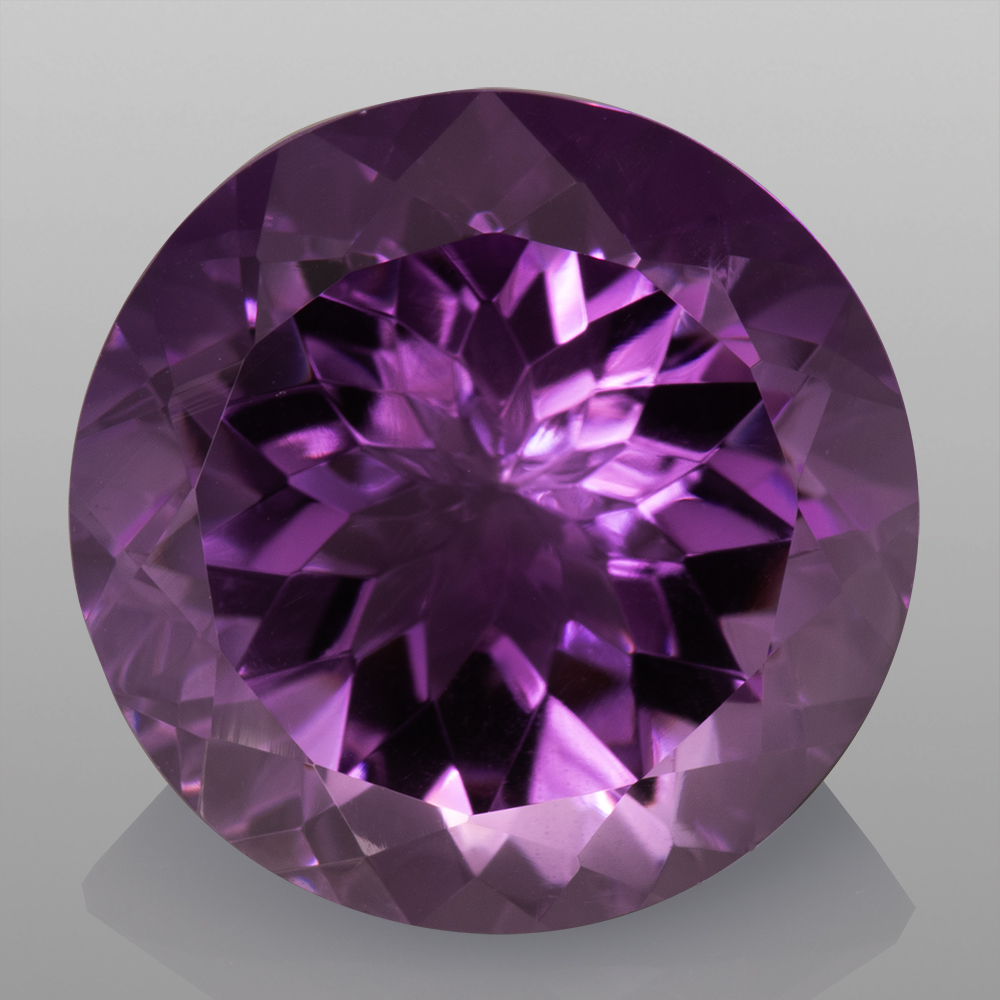
Examples from our collection. Display sizes don’t represent their relative carat weights.
Natural identity and treatment
The exact gemstone and treatment status should be disclosed. A trade name or a familiar color isn’t enough to establish what you’re buying. For yellow topaz, peridot, and amethyst, we look for natural, untreated stones. Citrine requires particular care, because much of the material on the market has been artificially heated.
Photographs help you judge appearance, but they don’t establish a gemstone’s identity or rule out every treatment. A qualified gemologist can evaluate the stone and advise when independent laboratory testing is useful.
Color, clarity, and cut
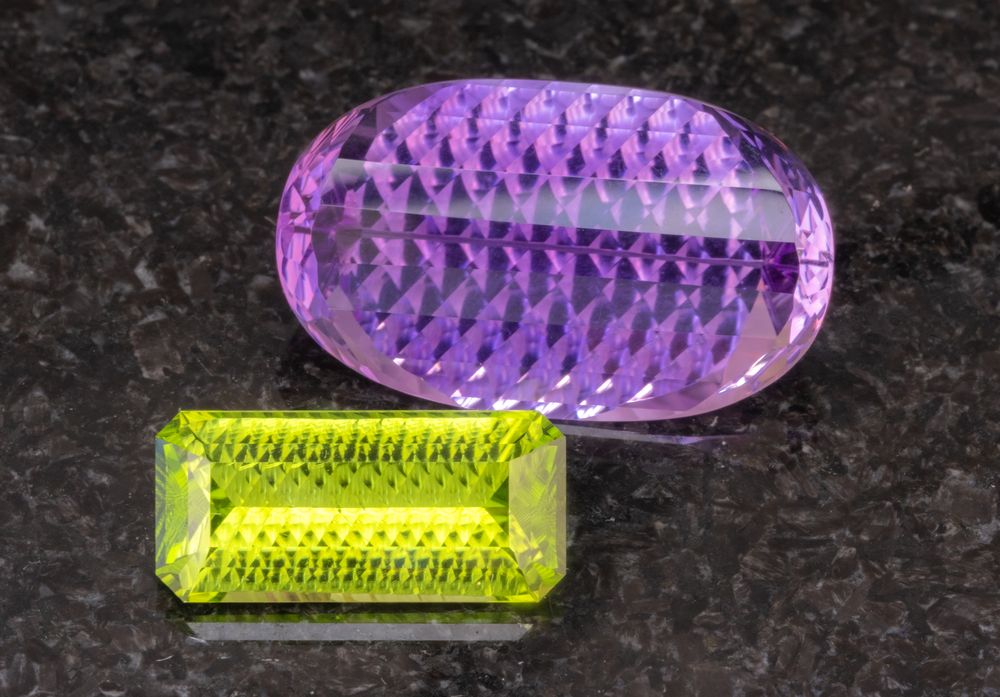
Look for a pleasing color and a clear view into the gem, without distracting cracks, black inclusions, or cloudiness. The faceting should be reasonably symmetrical and reflect light well. A large see-through window in the center can make an otherwise attractive stone look flat.
Judge the actual stone through its photographs and video. Check it in more than one lighting condition, and compare examples of the same gem type. Peridot, topaz, and amethyst have different appearances, so they don’t need to look identical to an emerald or sapphire to be beautiful.
Choosing the size
Uparatnas are milder than the primary gems. Their color is similar but not identical, so their planetary energy isn’t quite as concentrated, and size matters more. We generally recommend larger sizes, but there isn’t one carat rule for every uparatna. Yellow topaz should start around 3 carats, while citrine should start around 8 carats because it’s even less concentrated. Blue spinel works in the 2 to 3 carat range, and amethyst should be at least 8 to 20 carats for tangible Jyotish results. White topaz should be fairly large for astrology, ideally around 10 carats.
Keep quality ahead of size. If you’re comparing different secondary stones, have the size recommendation checked for each one instead of carrying over the minimum for a sapphire, ruby, or emerald.
Setting and care
For Vedic jewelry, have the setting made around the chosen gem, with an open back that allows it to lightly touch the skin. The planet being strengthened guides the traditional choice of metal and finger, the same as for its primary gem. Gold is traditional for Jupiter, with the index finger for a ring, and for Mercury, with the little finger. Silver, white gold, or platinum are good choices for Saturn, with the middle finger. Gold is traditional for the Sun, and silver for the Moon.
White topaz is usually a pendant, and silver works well for it. We’re happy to set a moonstone in a pendant, in a tarnish-resistant silver.
Care depends on the mineral. Topaz can split if struck, and peridot needs protection from hard knocks and sudden temperature changes. Warm, mildly soapy water is safe for these stones; steam and ultrasonic cleaning aren’t recommended for topaz or peridot. Choose a protective ring design or a pendant if your hands take a lot of wear.
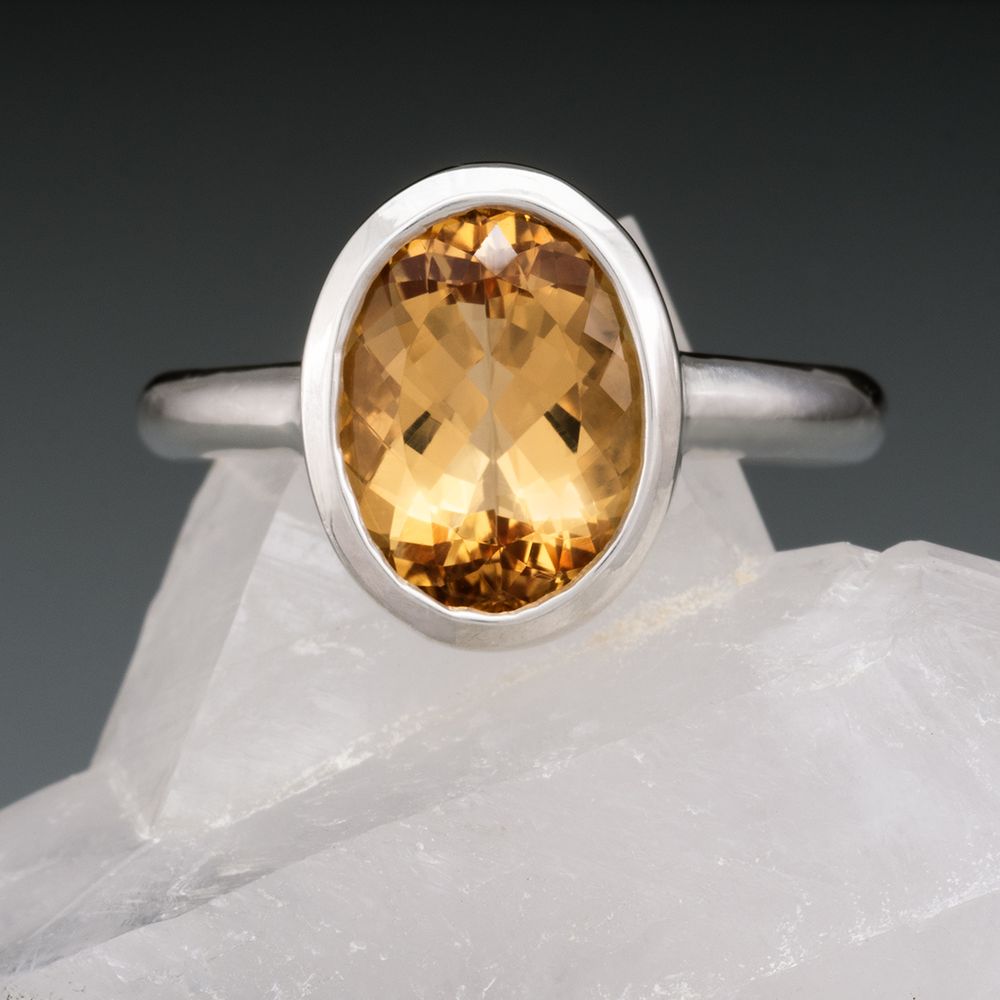
Browse our gemstone collection
Astrological Gem specializes in carrying only the finest quality gems for Jyotish. Our selection is limited for a reason: very few gems possess both the quality we require and the competitive price point we insist on.
Before you buy
It’s best to buy from a qualified Vedic Gemologist who understands quality criteria and inclusions. The right source will have done most of your homework for you.
Choose the best quality you can comfortably afford, with a setting you’ll enjoy wearing.
Astrological Gem specializes in carrying only the finest quality gems for Jyotish. Our selection is limited for a reason: very few gems possess both the quality we require and the competitive price point we insist on.
Further reading: Our article on choosing an uparatna · Topaz care · Peridot care.