

Gem buying guide
Ruby Buying Guide
Shop Jyotish gemstones like an expert with our Buying Guides.
Ruby is the primary gemstone for the Sun in Vedic Astrology (Jyotish).
It’s commonly worn for astrology to support vitality, confidence, and connection with your highest sense of self. But not all rubies work for astrology. It’s very important to know which ones will, and why.
The right ruby depends on your chart. Find out what strengthening the Sun would support in your birth chart, using our free gem report as a starting point.
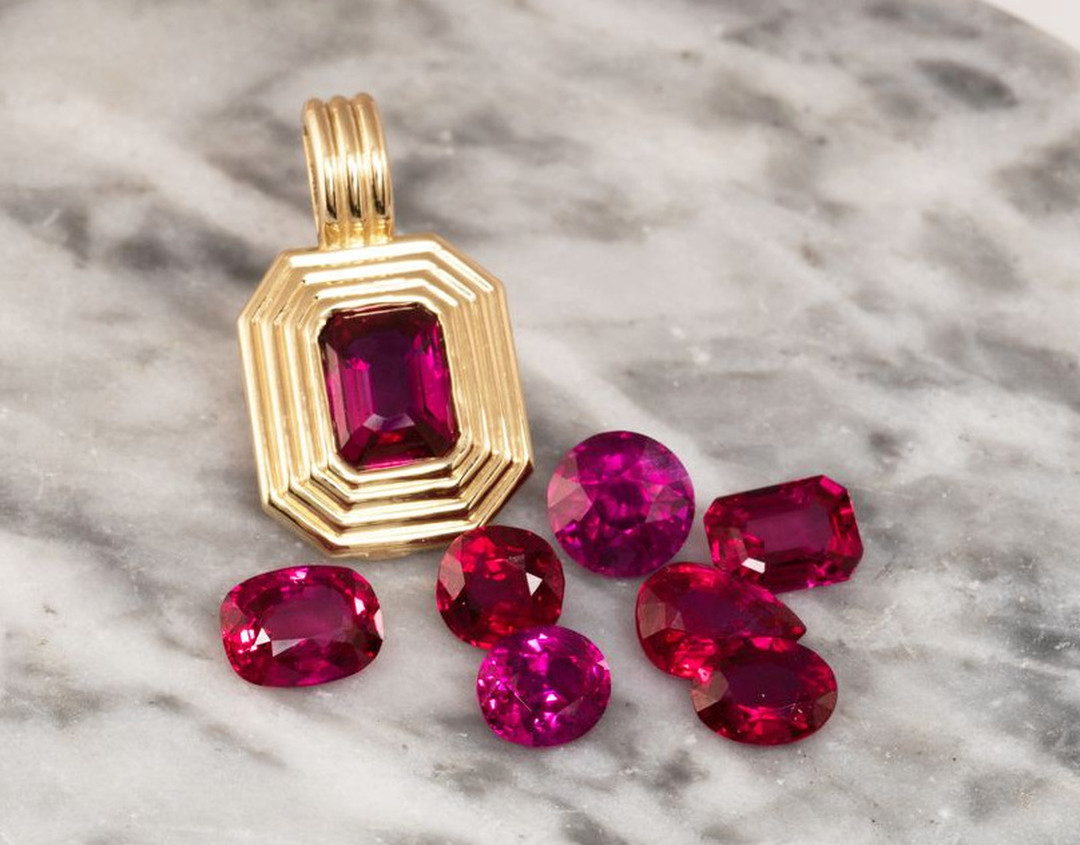
At a glance
- 1
Natural, unheated, and untreated
Must not be heated, treated, or lab grown. Treatment status should be disclosed and guaranteed.
- 2
Color, clarity, and cut
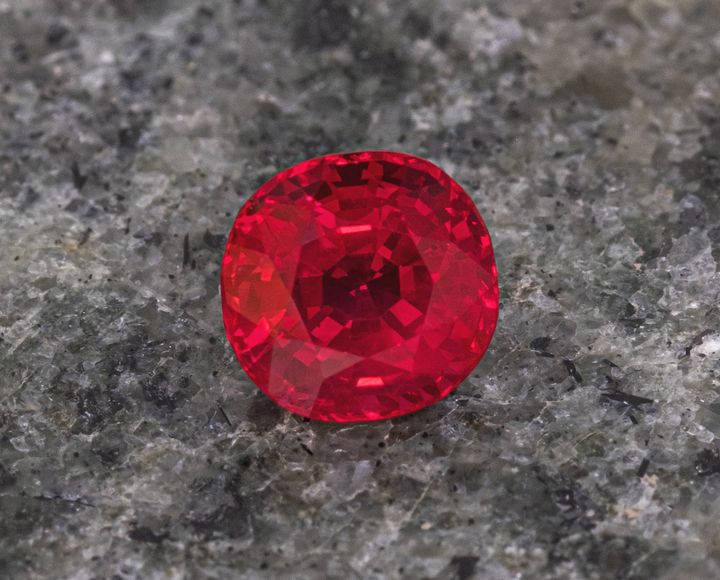
Look for a lively red that isn’t too dark or too pink, as close to eye-clean as possible, with no black inclusions.
- 3
Size and setting
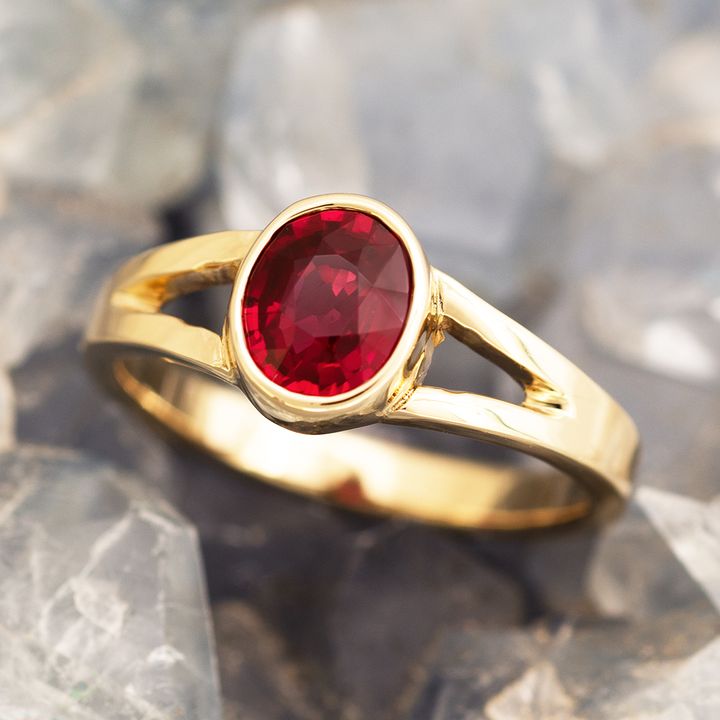
Around 1 carat is a practical starting point. Gold is traditional for the Sun, in a ring or pendant with an open back.
- 4
Buy from a Vedic Gemologist whenever possible
Not all gems work for astrology. We specialize exclusively in gemstones for Jyotish, so every stone in our shop already meets these standards.
Natural, unheated, and untreated
For Jyotish, we choose natural rubies that haven’t been heated or otherwise treated. Heating is commonly used to improve color and clarity, and some rubies have fractures filled with glass to make them appear cleaner. A stone described as natural can still be treated, so those are two separate things to establish.
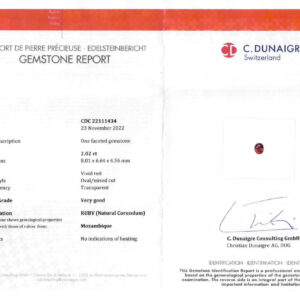
Treatment status should be clearly disclosed. A knowledgeable gemologist can examine the stone and advise when further testing is needed. An independent laboratory report can confirm natural origin and identify detectable treatments. A photograph alone can’t establish that a ruby is unheated.
Color and clarity
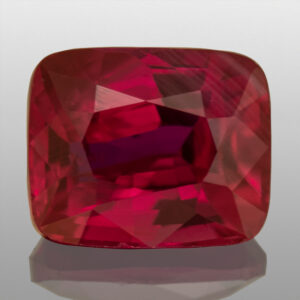
Look for a pleasing, lively red color. Ruby can have pinkish or purplish undertones, but it shouldn’t look so dark that its color and brightness disappear. Anything that is too far on the pink spectrum becomes a pink sapphire. Compare it in more than one kind of lighting so you can see how it looks in ordinary wear.
Natural rubies usually contain some inclusions. For our Jyotish selection, we look for stones that are as close to eye-clean as possible, with only very insignificant inclusions under magnification. Avoid black inclusions. Fine wisps of rutile silk can be acceptable when they don’t make the stone cloudy or lower its clarity.
Look closely for cracks, dark crystals, and cloudy areas. Surface-reaching fractures deserve particular attention because they can affect durability as well as appearance. Enlarged photographs and a video help you see the stone, but a gemologist’s examination is still important when the nature of an inclusion is unclear.
Cut and proportion
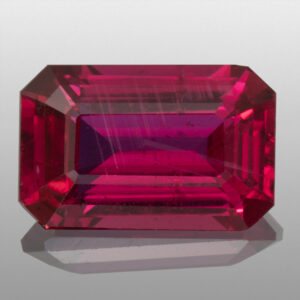
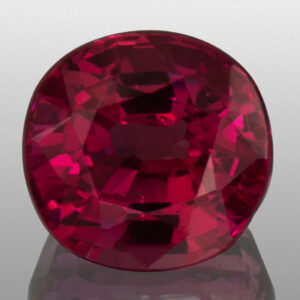
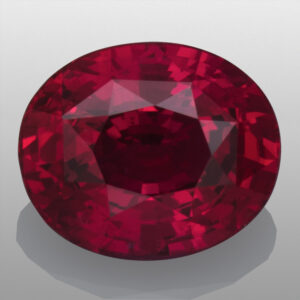
Oval, cushion, emerald, and round cuts can all work well. The shape is largely a matter of preference. Look for good symmetry and lively light return, with the color distributed attractively across the face of the ruby.
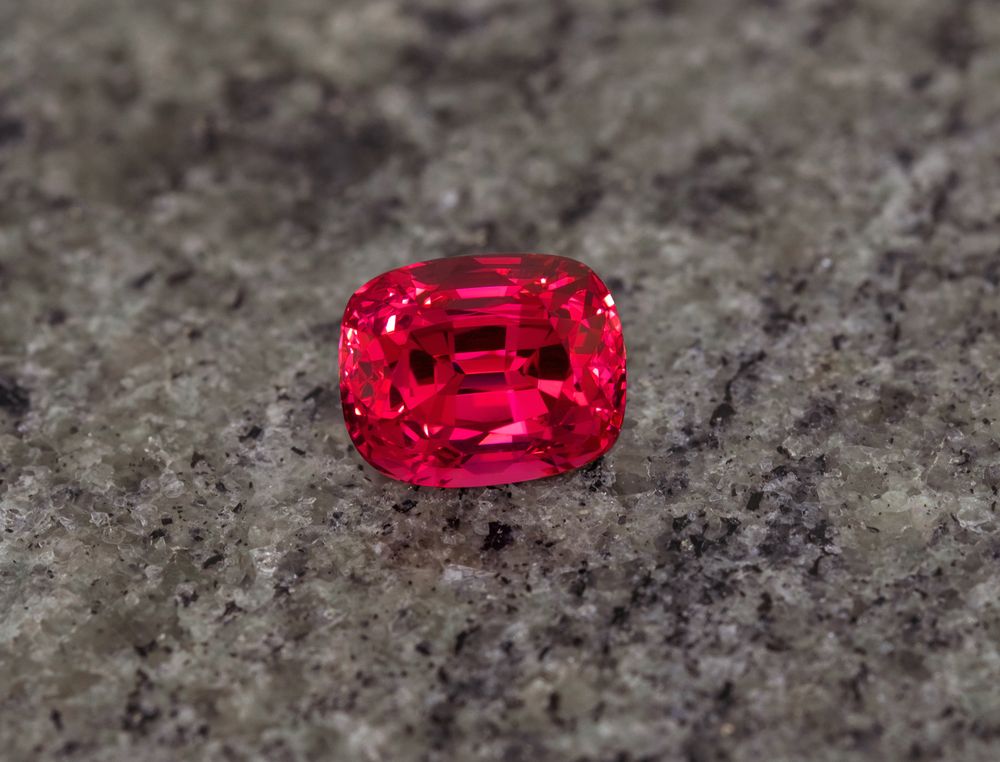
A see-through area in the center is called a window. It occurs when light passes through the stone instead of reflecting back toward you. A small window needn’t rule out an otherwise beautiful natural ruby, but it shouldn’t dominate the stone.
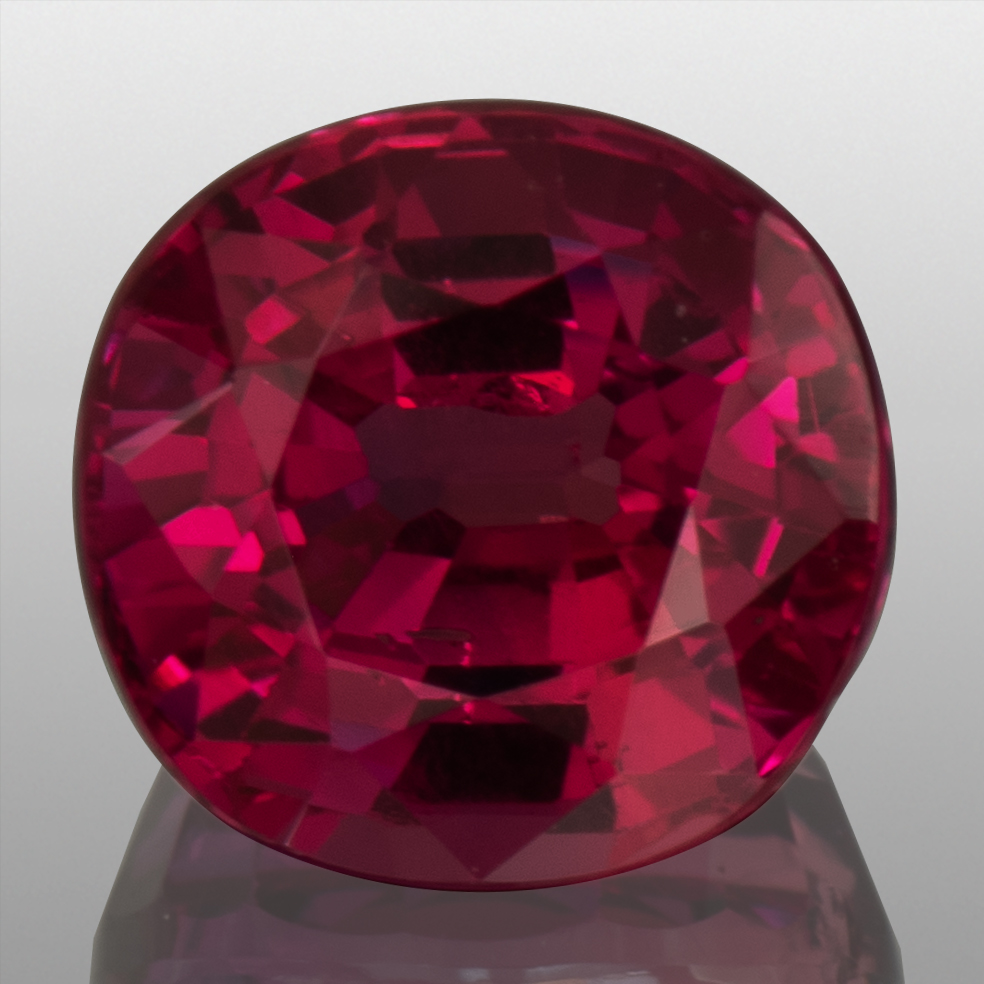
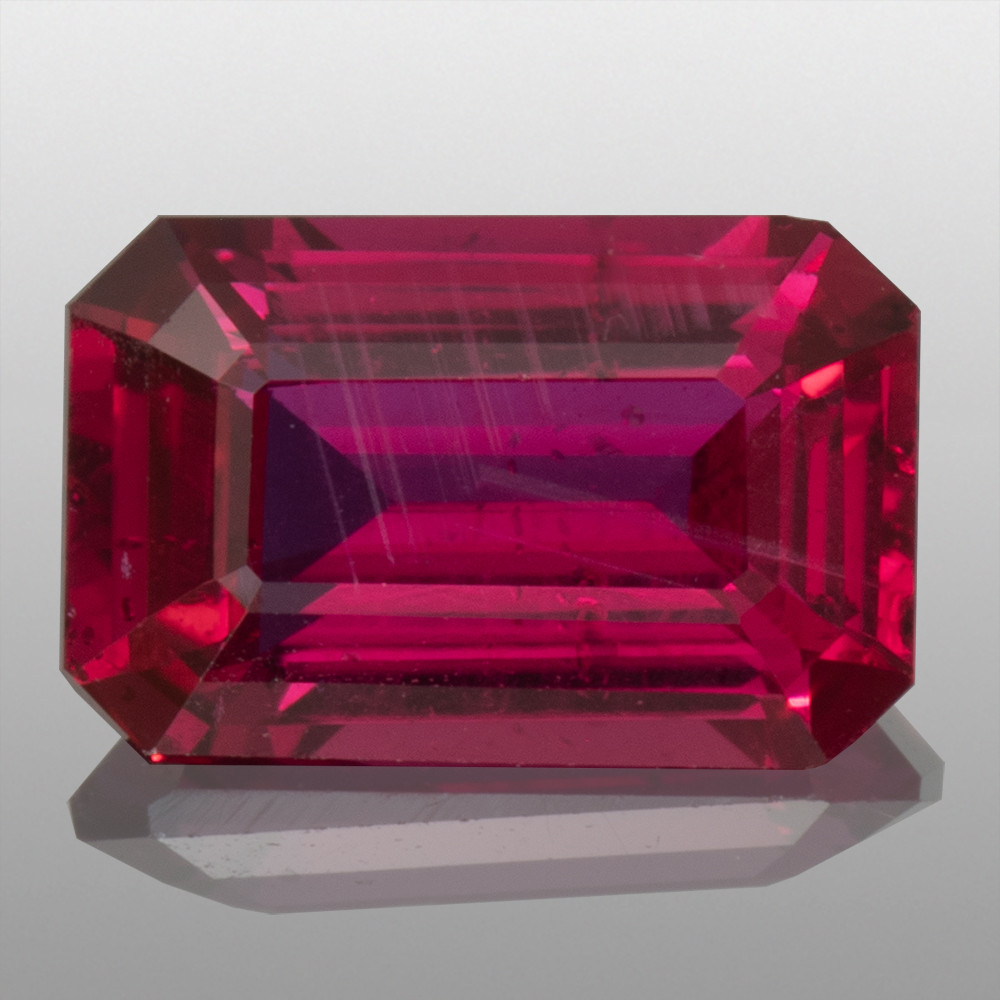
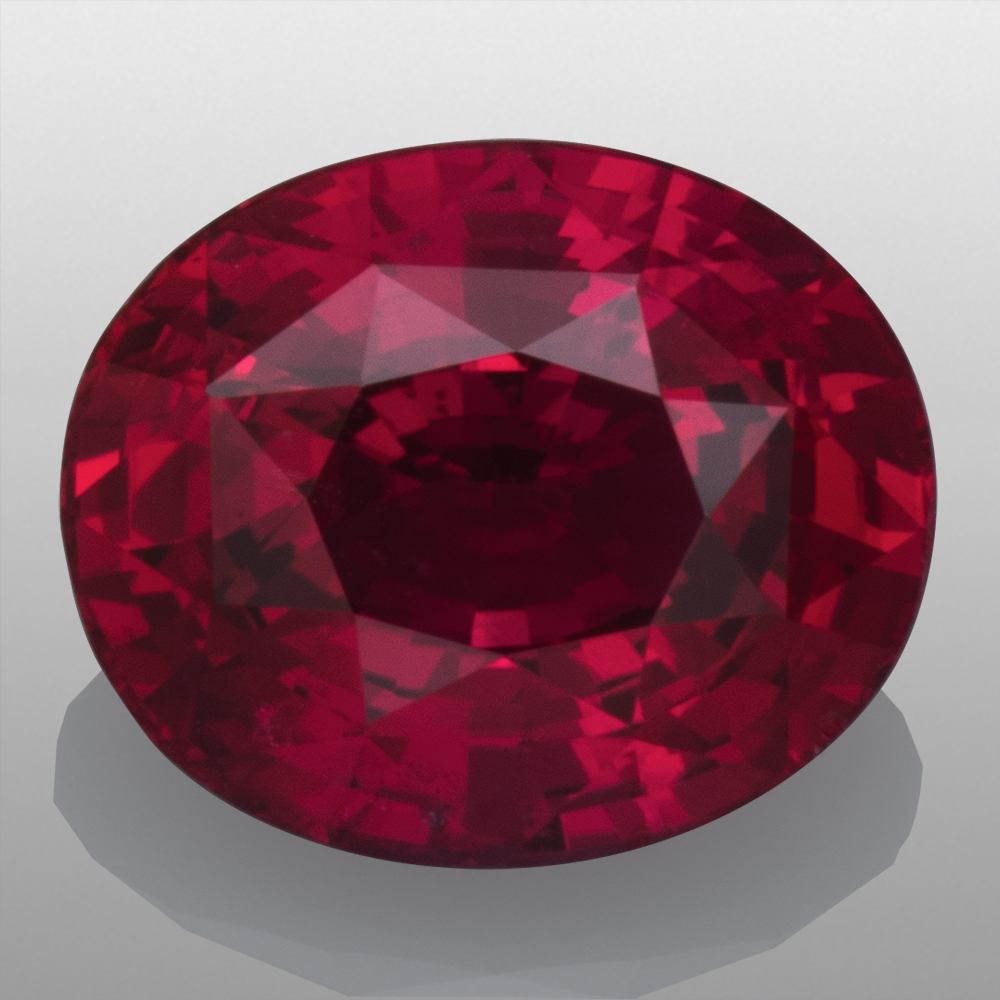
Examples from our collection, shown at the same display size.
Choosing the size
For our Jyotish recommendations, around 1 carat is a practical starting point for ruby. Particularly fine stones below 1 carat can also be considered. Quality is more important than size: a smaller ruby that’s as flawless as possible, with beautiful color, is a better choice than a large stone with distracting inclusions or treatment.
Origin and quality
Rubies from Myanmar, traditionally called Burmese rubies, can command a premium. Still, a famous origin doesn’t guarantee a good stone. Judge the ruby’s own color, clarity, treatment status, and cutting before giving weight to its country of origin.
Setting your ruby
Choose the ruby first, then have the setting made to fit it. Gold is traditional for the Sun, and a ring or pendant can work well. For Vedic jewelry, the back stays open so the underside of the stone can lightly touch the skin. Clean an untreated ruby with warm, soapy water and a soft brush.
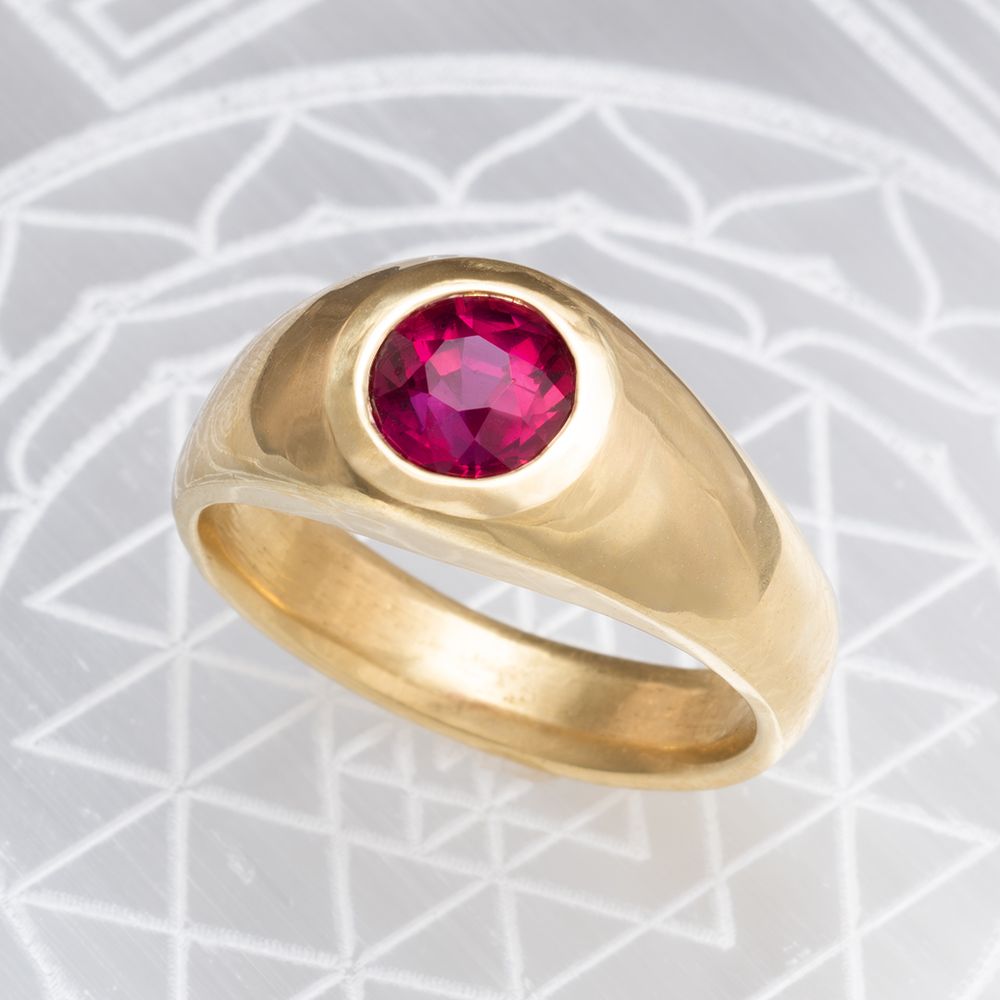
Browse our ruby collection
Astrological Gem specializes in carrying only the finest quality gems for Jyotish. Our selection is limited for a reason: very few gems possess both the quality we require and the competitive price point we insist on.
Before you buy
It’s best to buy from a qualified Vedic Gemologist who understands quality criteria and inclusions. The right source will have done most of your homework for you.
Once you’re comfortable with the quality, you can follow your judgment and intuition about which stone you’d most enjoy wearing.
Astrological Gem specializes in carrying only the finest quality gems for Jyotish. Our selection is limited for a reason: very few gems possess both the quality we require and the competitive price point we insist on.
Further reading: The nine Jyotish gems and their planets · GIA’s ruby buying guide.