
Gem buying guide
Diamond Buying Guide
Shop Jyotish gemstones like an expert with our Buying Guides.
Diamond is the primary planetary gemstone for Venus in Vedic Astrology (Jyotish).
It’s commonly worn for astrology to support healthy relationships, abundance, and creativity. But not all diamonds work for astrology, so educating yourself on which ones will work, and why, is very important.
Before you look at diamonds, look at your chart, and learn what strengthening Venus would support in your birth chart. Our free gem report is a simple first step.
At a glance
- 1
Natural and untreated
Must not be heated, treated, or lab grown. Treatment status should be disclosed and guaranteed.
- 2
Color, clarity, and cut
We recommend G color and VS1 clarity or better, with no black inclusions, and a cut that returns light brightly.
- 3
Size and setting
One carat or more is usual. Choose a secure setting with an open back, and clean the diamond often.
- 4
Buy from a Vedic Gemologist whenever possible
Not all gems work for astrology. We specialize exclusively in gemstones for Jyotish, so every stone in our shop already meets these standards.
Natural and untreated
For Jyotish, we use natural, untreated diamonds. Laboratory-grown diamonds are a separate choice, and we don’t recommend them as a substitute for natural diamonds for astrological use.
Treatment status should be clearly disclosed. Diamonds can be treated to change their color or improve their apparent clarity, including through laser drilling or fracture filling. An independent laboratory report helps establish natural origin and identifies detectable treatments. Read the report as well as the seller’s description, and make sure it belongs to the diamond being offered.
Color and clarity
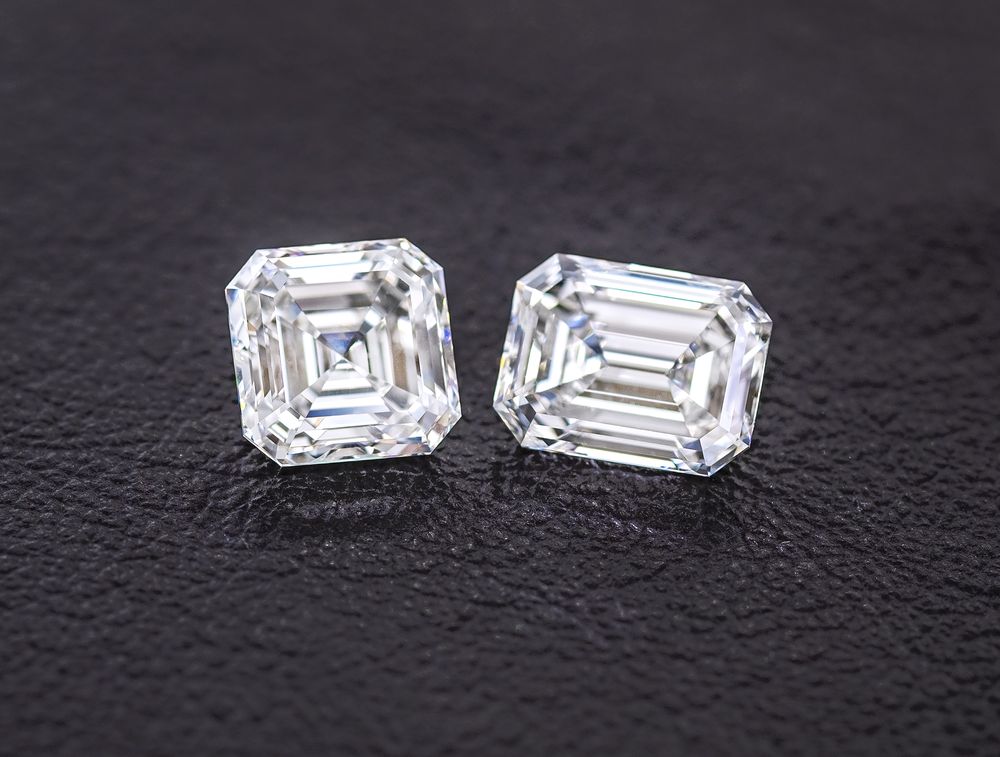
We generally recommend G color or better and VS1 clarity or better for Jyotish. These are starting points for selecting a diamond, and the individual stone still needs to be examined.
Look closely for cloudiness, black inclusions, or significant fractures, particularly beneath the center of the stone. A clarity grade gives useful information, but the size and location of the inclusions also matter. A high-resolution photograph, video, and the report’s clarity information can help you understand what’s actually inside the gem.
- FLFlawless
- IFInternally Flawless
- VVS1–2Very, Very Slightly Included
- VS1Very Slightly Included
- VS1 is the minimum for Jyotish
- VS2Very Slightly Included
- SI1–2Slightly Included
- I1–3Included
Any inclusions should be clear.
Cut and proportion
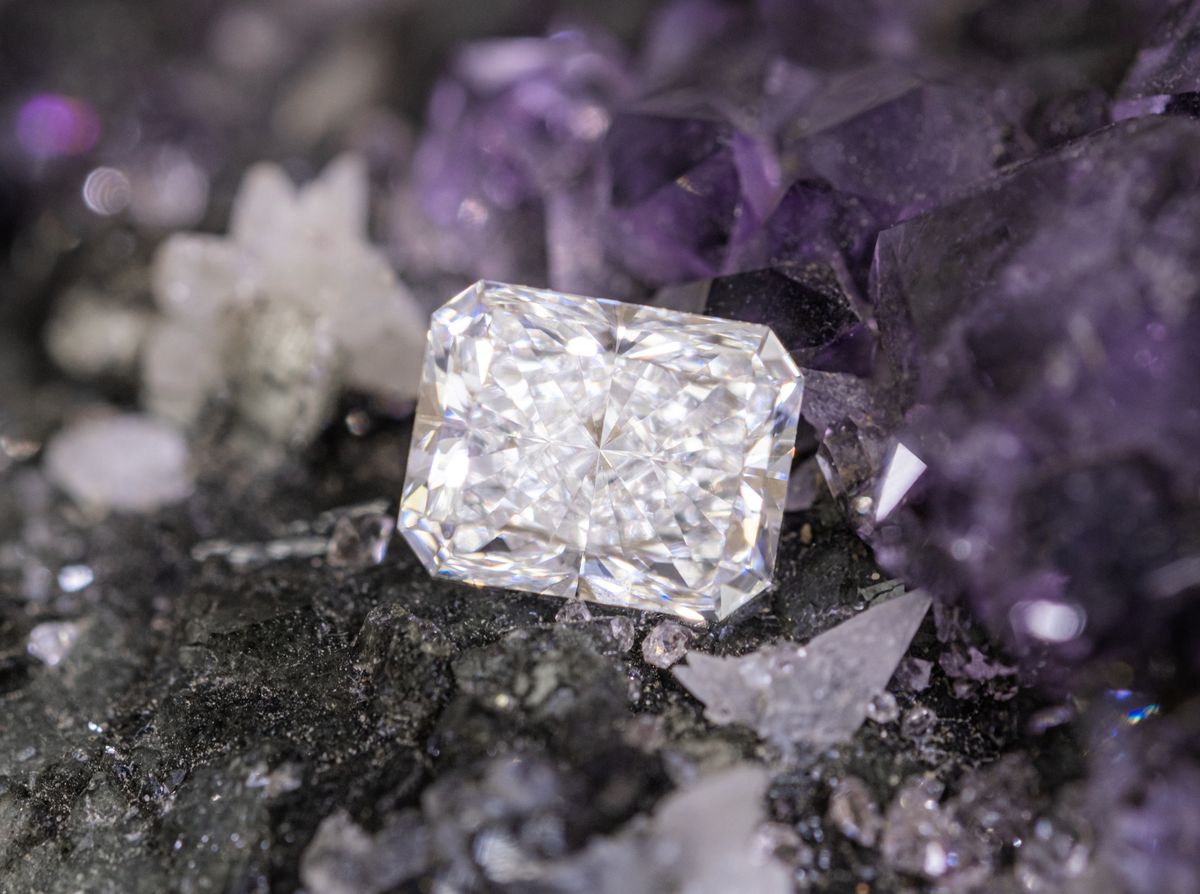
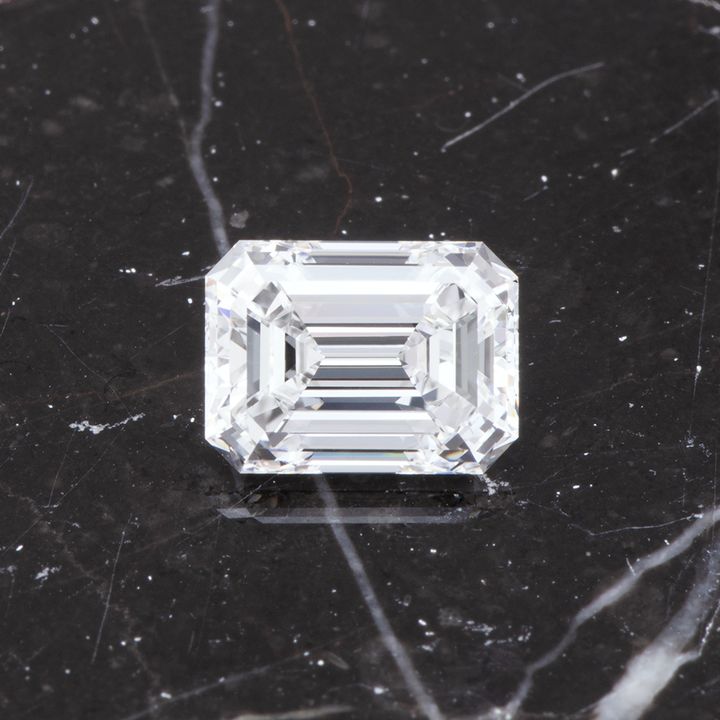
The shape is largely a matter of preference. Round, oval, cushion, emerald, Asscher, radiant, and other shapes can all be considered. What matters is how well the diamond handles light.
A well-cut diamond has an attractive balance of bright and dark reflections as it moves. Some contrast is normal and contributes to its sparkle. Look for pleasing symmetry and good brightness, and pay attention to broad areas that remain dull or dark. Examine the diamond in different lighting so you can see more than its appearance under strong display lights.
Choosing the size
We usually recommend 1 carat or more for a diamond worn for Jyotish. An exceptionally clear, nearly colorless, well-cut diamond between 0.50 and 1 carat can also be considered, especially when budget is a factor.
Quality is more important than size. It’s better to choose a smaller diamond with excellent clarity and beautiful cutting than to sacrifice those qualities for a larger carat weight.
Setting and caring for your diamond
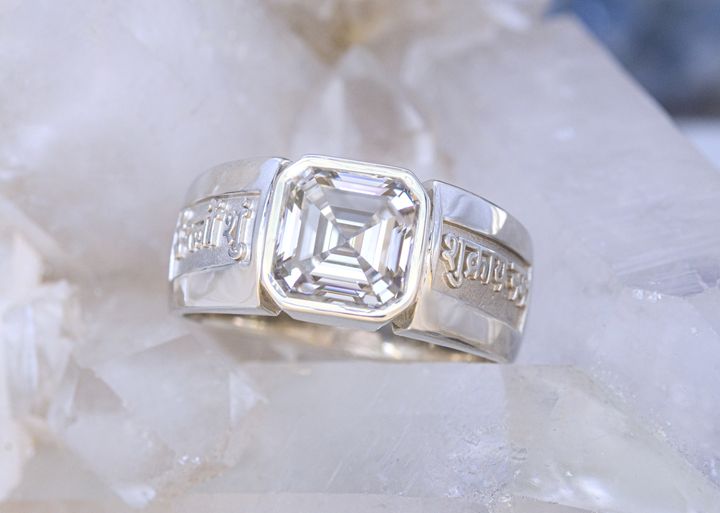
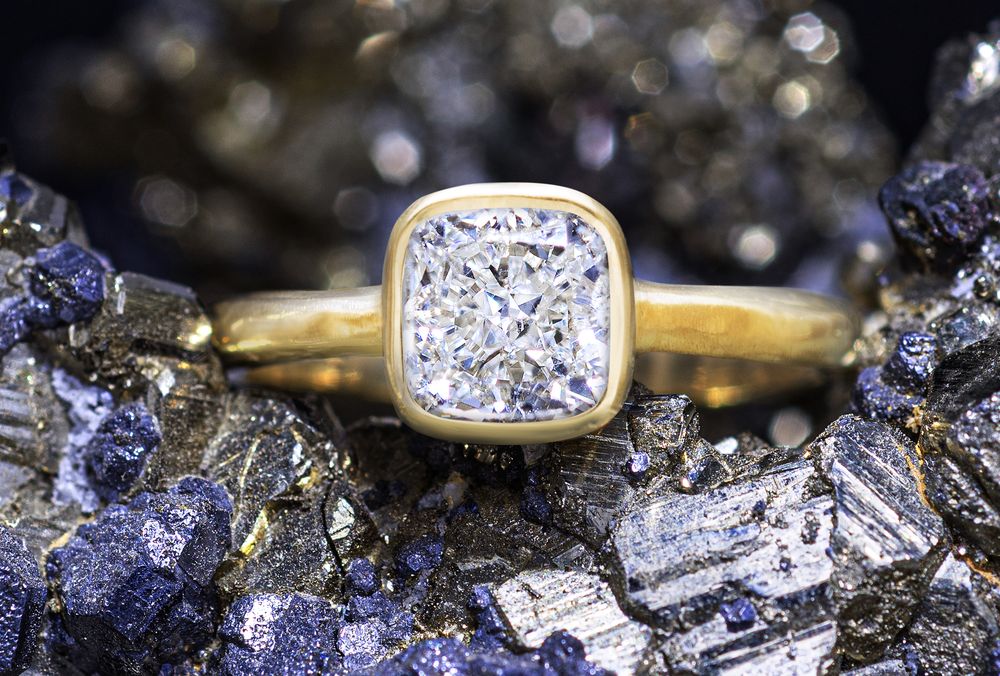
Choose the diamond first, then have the setting made to fit it. For Vedic jewelry, the back stays open so the underside of the gemstone can lightly touch the skin. A ring or pendant can work well. The setting should hold the diamond securely and protect exposed corners from knocks.
Diamonds attract oils, so regular cleaning helps keep them bright. Use warm water, mild dish soap, and a soft brush, gently cleaning the underside where residue collects. Have the setting checked periodically, and leave ultrasonic or steam cleaning to a jeweler who can examine it first.
Browse our diamond collection
Astrological Gem specializes in carrying only the finest quality gems for Jyotish. Our selection is limited for a reason: very few gems possess both the quality we require and the competitive price point we insist on.
Before you buy
It’s best to buy from a qualified Vedic Gemologist who understands quality criteria and inclusions. The right source will have done most of your homework for you.
Once you’re clear on the quality of the diamond, you can follow your judgment and intuition about which gem would be best for you.
Astrological Gem specializes in carrying only the finest quality gems for Jyotish. Our selection is limited for a reason: very few gems possess both the quality we require and the competitive price point we insist on.
Further reading: What makes a gemstone Jyotish quality? · GIA’s guide to diamond quality.