

Gem buying guide
Yellow Topaz Buying Guide
Shop Jyotish gemstones like an expert with our Buying Guides.
Yellow topaz is the secondary gemstone, or uparatna, for Jupiter in Vedic Astrology (Jyotish). The primary gemstone for Jupiter is yellow sapphire, and yellow topaz is its substitute.
It’s commonly worn for astrology to support growth, abundance, and good judgment, and it’s one of the strongest uparatnas we carry. But not all yellow topaz works for astrology.
Choosing yellow topaz begins with one question: what would strengthening Jupiter support in your birth chart? You can use our free gem report as a starting point.
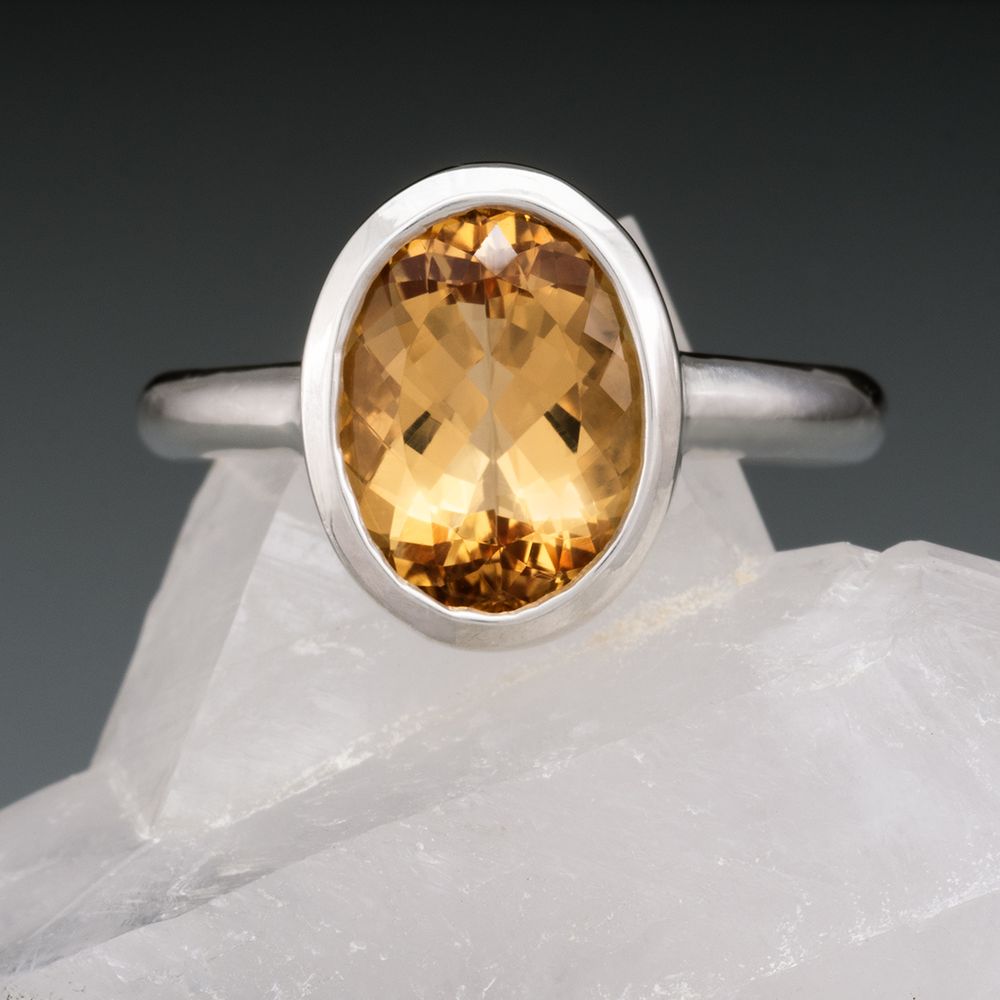
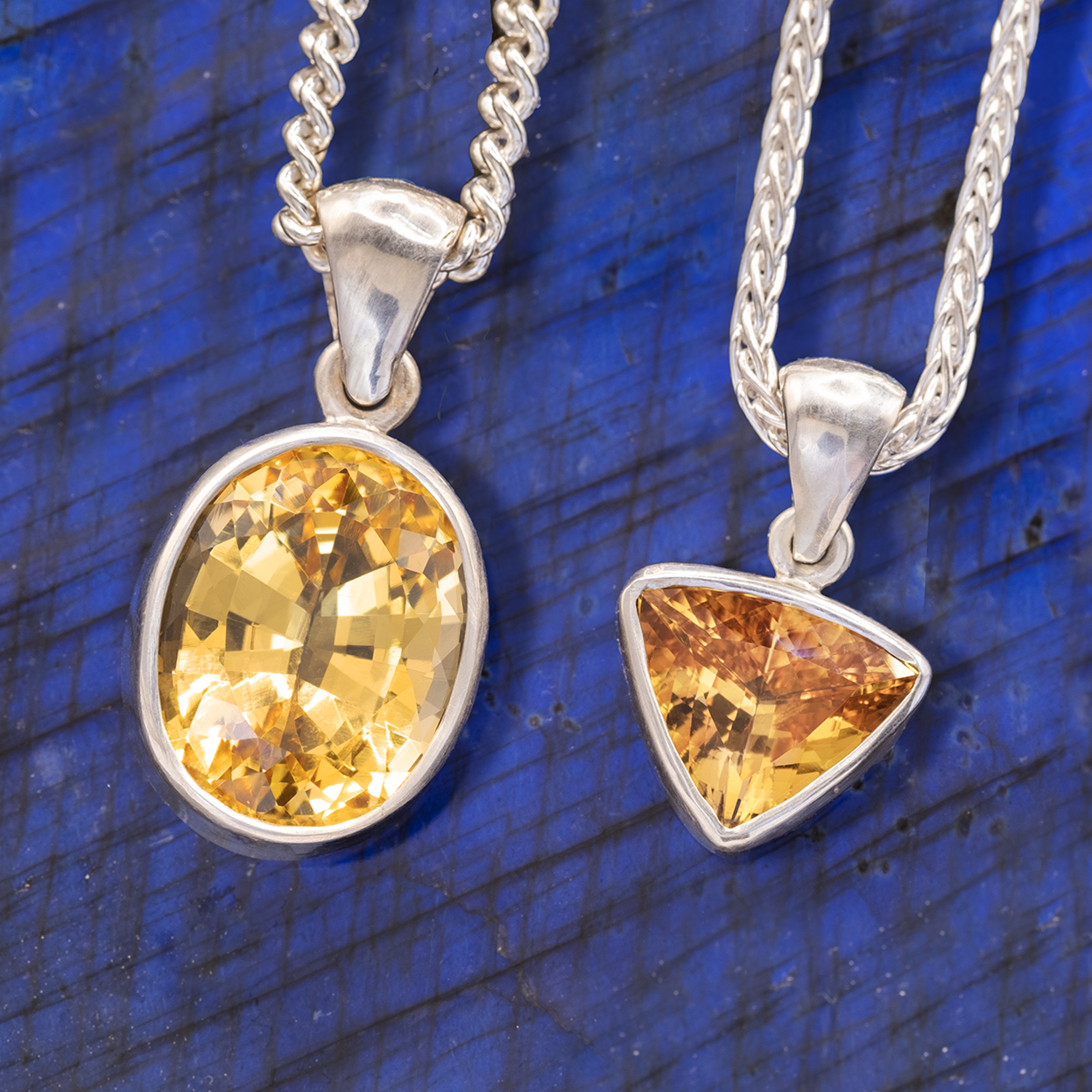
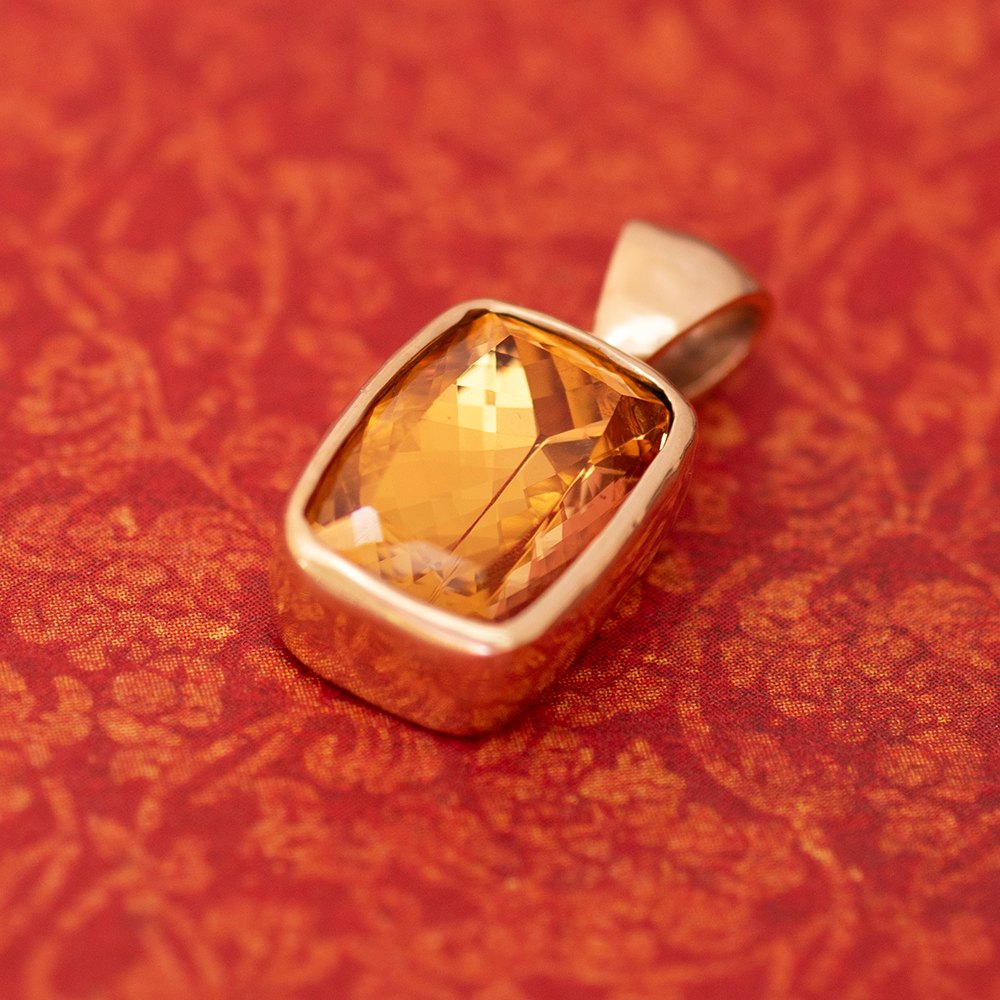
At a glance
- 1
Natural and untreated
For Jyotish we use only natural, untreated stones. The exact gem and its treatment status should be stated plainly by the supplier, by name.
- 2
A warm golden color
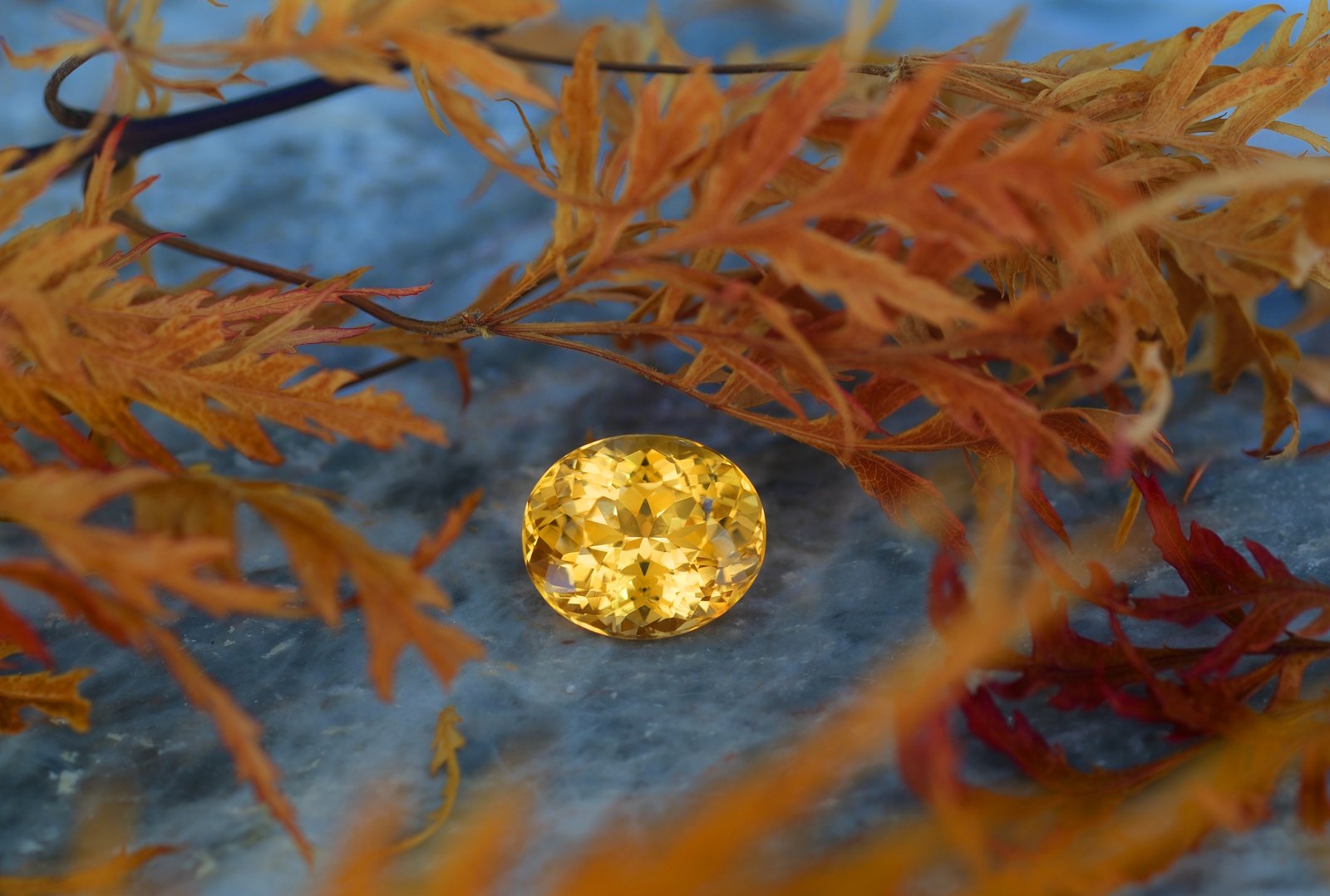
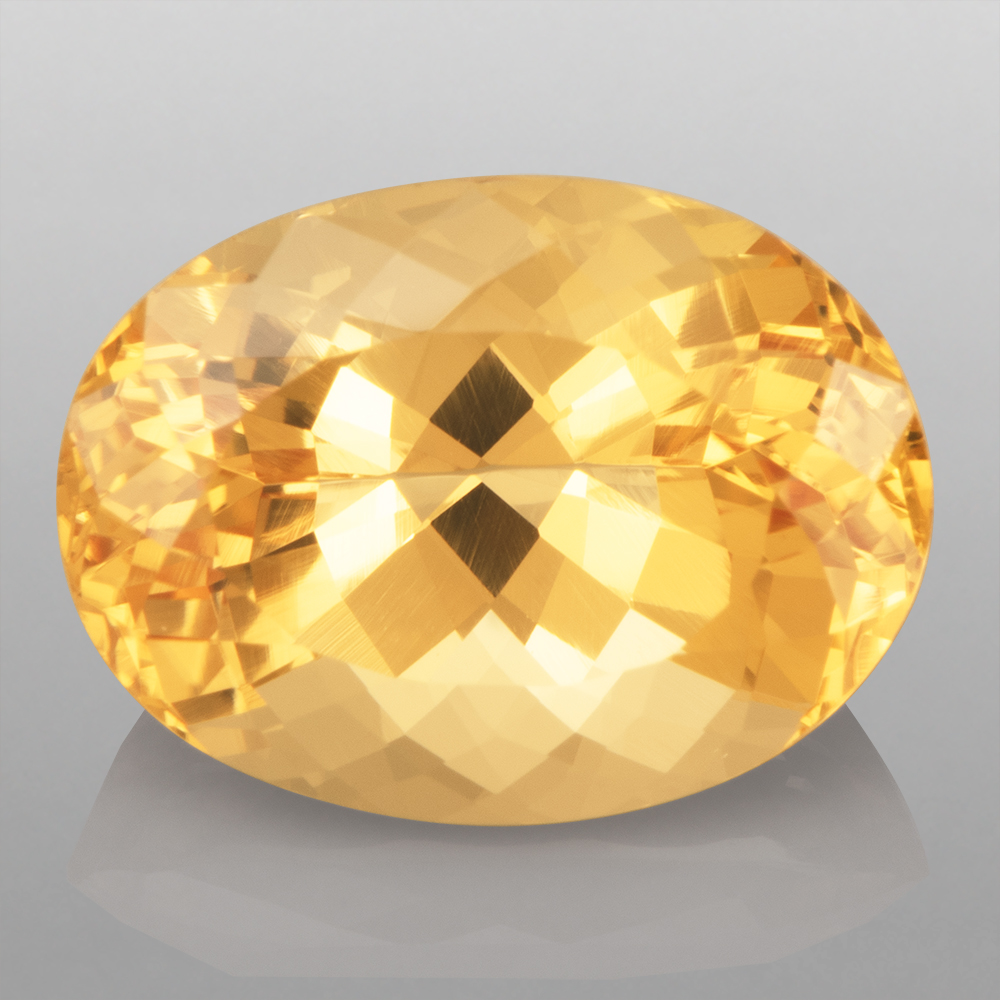
Light golden through deep golden yellow, with at most a faint orange undertone. Eye-clean, with bright faceting.
- 3
Size: go larger
An uparatna is milder than its primary gem, so start at 3 carats. Five carats or more is ideal.
- 4
Buy from a Vedic Gemologist whenever possible
Not all gems work for astrology. We specialize exclusively in gemstones for Jyotish, so every stone in our shop already meets these standards.
When topaz instead of sapphire
Yellow sapphire is the primary gemstone for Jupiter. Yellow topaz is the uparatna, and in Jyotish it’s regarded as one of the most capable secondary stones for carrying planetary energy.
Our approach is straightforward: choose a fine secondary gem over a poor-quality primary stone. If your budget won’t cover a clear, untreated yellow sapphire, a beautiful yellow topaz is the better choice for Jupiter. A larger sapphire that’s cloudy, cracked, or heavily treated doesn’t become a better purchase simply because it’s a primary gem.
Yellow topaz suits the fire signs particularly well, and anyone looking to strengthen the warmer, more expansive side of Jupiter. You can always start with the topaz and add a sapphire later.
Natural and untreated
For Jyotish we recommend only topaz that is natural and untreated.
Treatment status should be clearly disclosed by the supplier. In Vedic Gemology we consider treatments to alter a gem’s energetic properties, which is why an untreated stone of modest size will work better than a large treated one, which would not work at all.
Fine untreated yellow topaz for Jyotish is normally sourced from Brazil. A gemologist can evaluate the stone and advise when independent laboratory testing is useful.
Color, clarity, and cut
The color we look for runs from light golden to a deep golden yellow, with at most a very faint orange undertone. A stone that reads brown, or so pale it looks nearly colorless, is less useful for Jupiter.
Look for a clear view into the gem, without distracting cracks, black inclusions, or cloudiness. Topaz is commonly found clean, so there is no reason to accept an included stone at this price level.
The faceting should be reasonably symmetrical and return light across the whole stone. Topaz is often cut deep to save weight, which leaves a dark center, or too shallow, which leaves a large see-through window. Either one makes an otherwise attractive gem look flat.
Choosing the size
Uparatnas are milder than their primary gems. The color is similar but not identical, so the planetary energy isn’t quite as concentrated, and size counts for more.
We recommend a minimum of 3 carats for yellow topaz, and 5 carats or more is ideal. Compare that with yellow sapphire, where 2 carats is a working minimum, and with citrine, which starts around 8 carats because it’s gentler still.
As always, quality is more important than size. You can go as large as your budget will allow, but never compromise on quality.
What yellow topaz costs
Jyotish-quality yellow sapphire usually starts at least around $1,000 per carat. Fine untreated yellow topaz runs on average between $120 and $250 per carat as of 2026, so a stone large enough to work for Jupiter stays within reach of most budgets.
Price per carat rises with size, color saturation, and clarity, so a 6 carat stone costs more per carat than a 3 carat stone of the same quality. Every gem in our collection lists both its price per carat and its total price, so you can compare them directly.
Setting and care
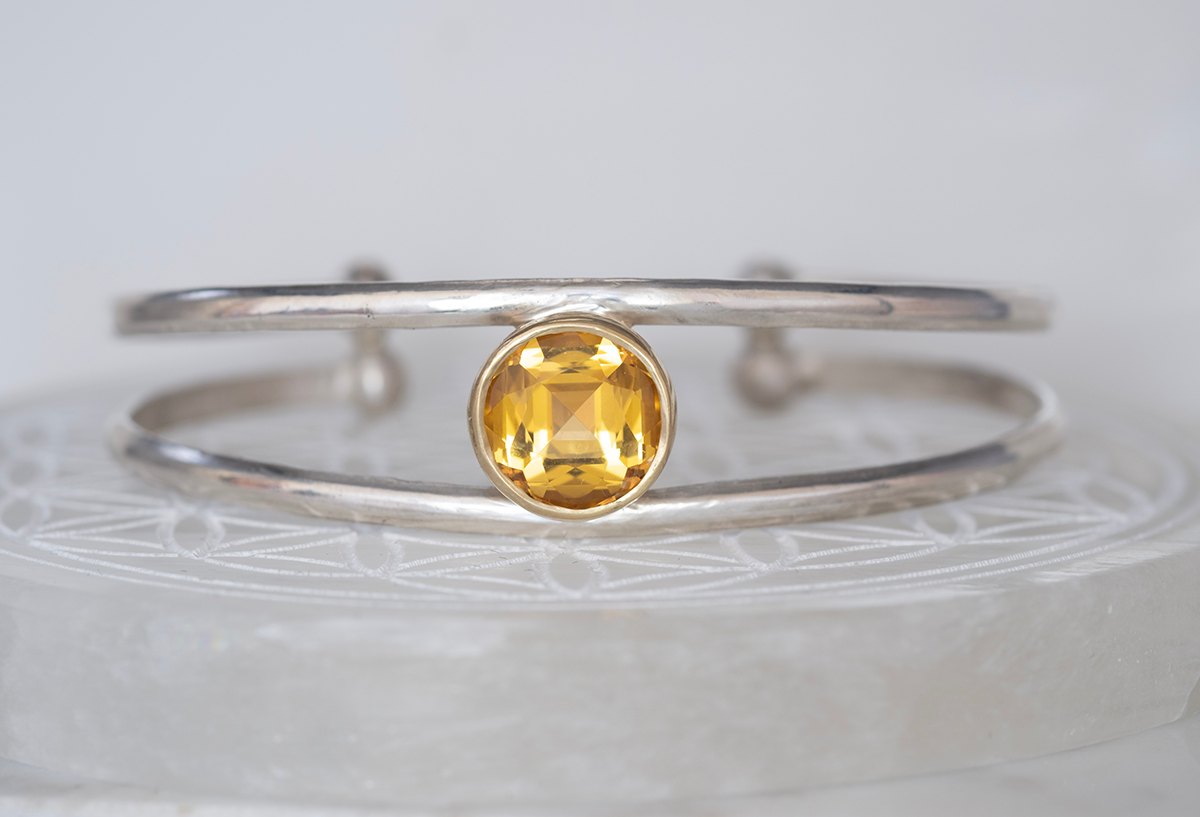
For Vedic jewelry, have the setting made around the chosen gem, with an open back that lets the stone lightly touch the skin. Gold is the traditional metal for Jupiter, and the index finger is the traditional placement for a ring.
A bezel setting is more protective than prongs, and pendants tend to be safer for the gem than rings, but both will work. Clean it with warm soapy water and a soft brush. Keep it away from ultrasonic and steam cleaners, and take it off for anything rough.
Browse our yellow topaz collection
Astrological Gem specializes in carrying only the finest quality gems for Jyotish. Our selection is limited for a reason: very few gems possess both the quality we require and the competitive price point we insist on.


Before you buy
It’s best to buy from a qualified Vedic Gemologist who understands quality criteria, and which inclusions are acceptable for astrology. The right source will have done most of the hard work for you, so anything in their collection already meets the standard.
Once you’re clear on the quality of the topaz, you can follow your judgment and intuition about which gem would be best for you.
Astrological Gem specializes in carrying only the finest quality gems for Jyotish. Our selection is limited for a reason: very few gems possess both the quality we require and the competitive price point we insist on.
Further reading: Tiffany’s own account of wearing yellow topaz · Yellow sapphire buying guide · Secondary gemstone buying guide.