
Gem buying guide
Phenakite Buying Guide
Shop Jyotish gemstones like an expert with our Buying Guides.
Phenakite is a colorless gemstone used for Venus in Vedic Astrology (Jyotish). It is the third choice for Venus, after diamond and white sapphire.
It’s commonly worn for astrology to support love, beauty, and harmony, the same as the other Venus gems. Phenakite is far less known than diamond or white sapphire, and it is one of our favorites. Our customers report great results with it.
Choosing a phenakite starts with the same question as any Venus gem: what would strengthening Venus support in your birth chart? You can use our free gem report as a starting point.
At a glance
- 1
Natural, untreated, and named
Phenakite is not routinely treated. What still needs establishing is that the stone really is phenakite, because colorless gems are easy to confuse.
- 2
Colorless, bright, and eye-clean
No yellow or gray cast, no cloudiness, no distracting inclusions. Flawless phenakite is genuinely rare.
- 3
Size and price
Our collection runs from about 2.5 to 14 carats, at roughly $280 to $340 per carat. The rate doesn’t climb with size here.
- 4
Buy from a Vedic Gemologist whenever possible
Not all gems work for astrology. We specialize exclusively in gemstones for Jyotish, so every stone in our shop already meets these standards.
What phenakite is
Phenakite is a beryllium silicate, and when it is fine it is colorless and glassy. It sits around 7.5 to 8 on the Mohs scale, harder than quartz, so it holds up well in a ring you wear every day. Facetable material comes from a small number of deposits, including Brazil, Madagascar, and Nigeria, and clean rough large enough to cut is uncommon. That scarcity is the reason you see so little of it in the trade.
The name is also spelled phenacite. Both spellings describe the same mineral, and you will see dealers and laboratories use them interchangeably. Neither spelling tells you anything about quality.
Natural, untreated, and named
Phenakite is not a gem that gets routinely heated, filled, or coated, which is one of its quieter advantages. What still needs to be established is identity. Colorless stones are easy to mistake for one another, and a clear gem sold without a specific name could be white topaz, white sapphire, goshenite, or glass. Ask for the gemstone to be named, and ask whether it has been treated.
Treatment status should be clearly disclosed by the supplier. A gemologist can evaluate the stone and advise when independent laboratory testing is useful. In Vedic Gemology, we consider treatments to alter a gem’s energetic properties.
Color, clarity, and cut
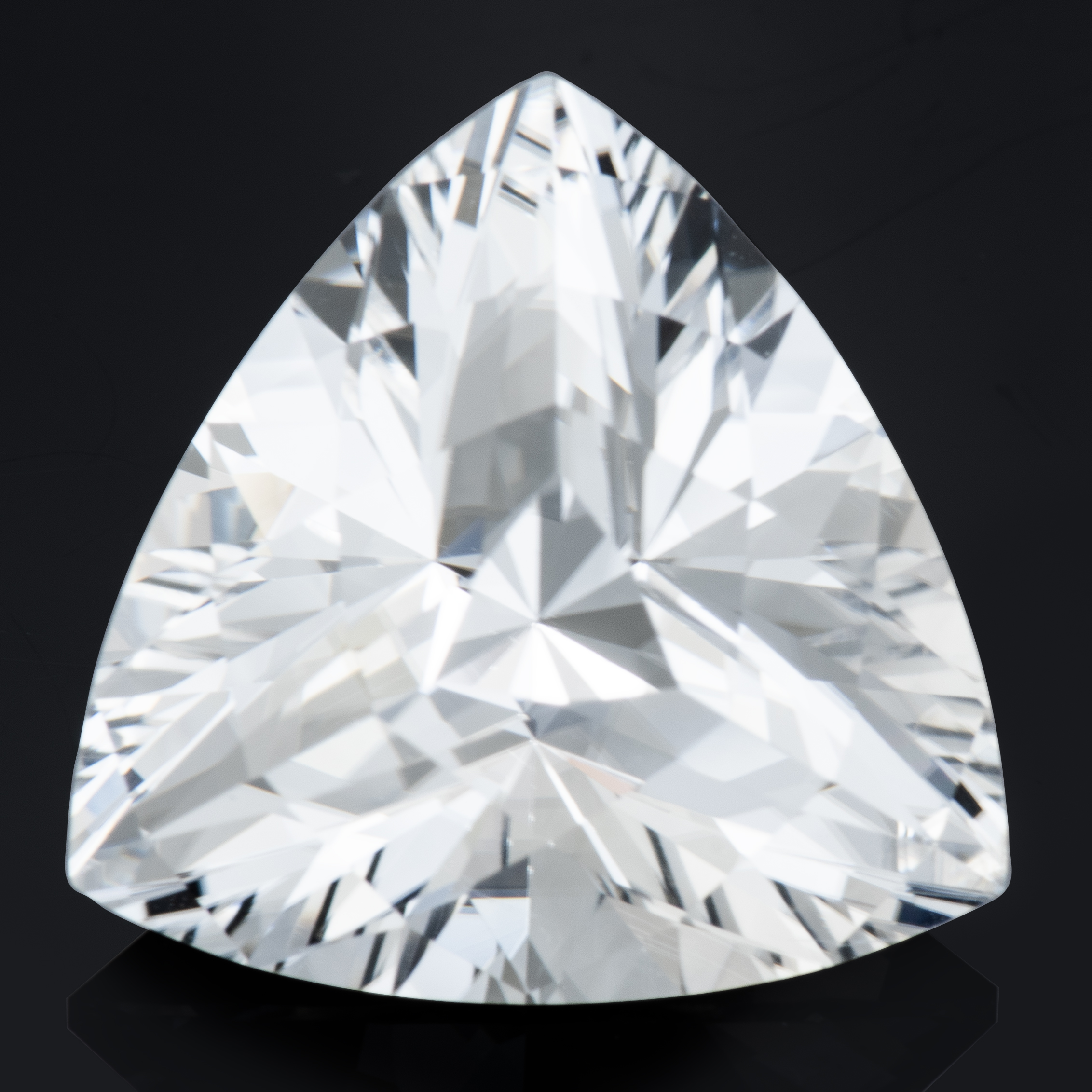
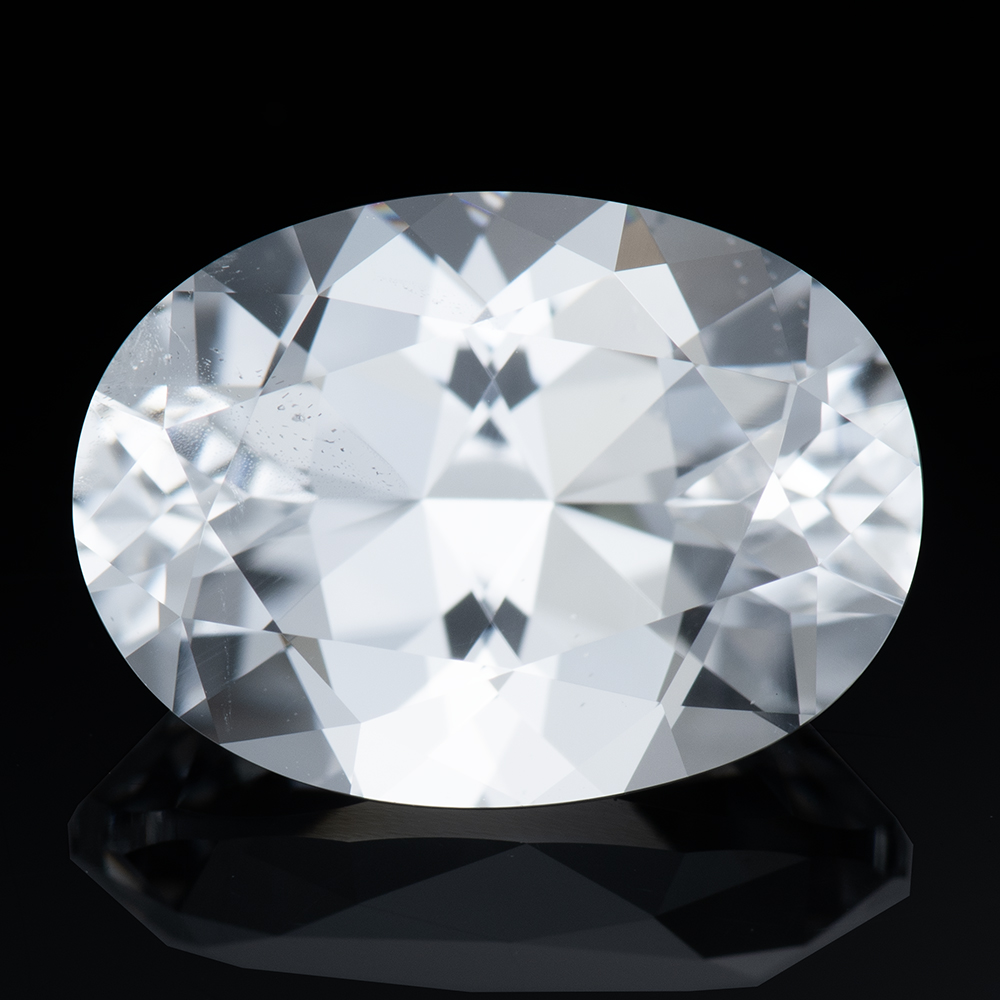
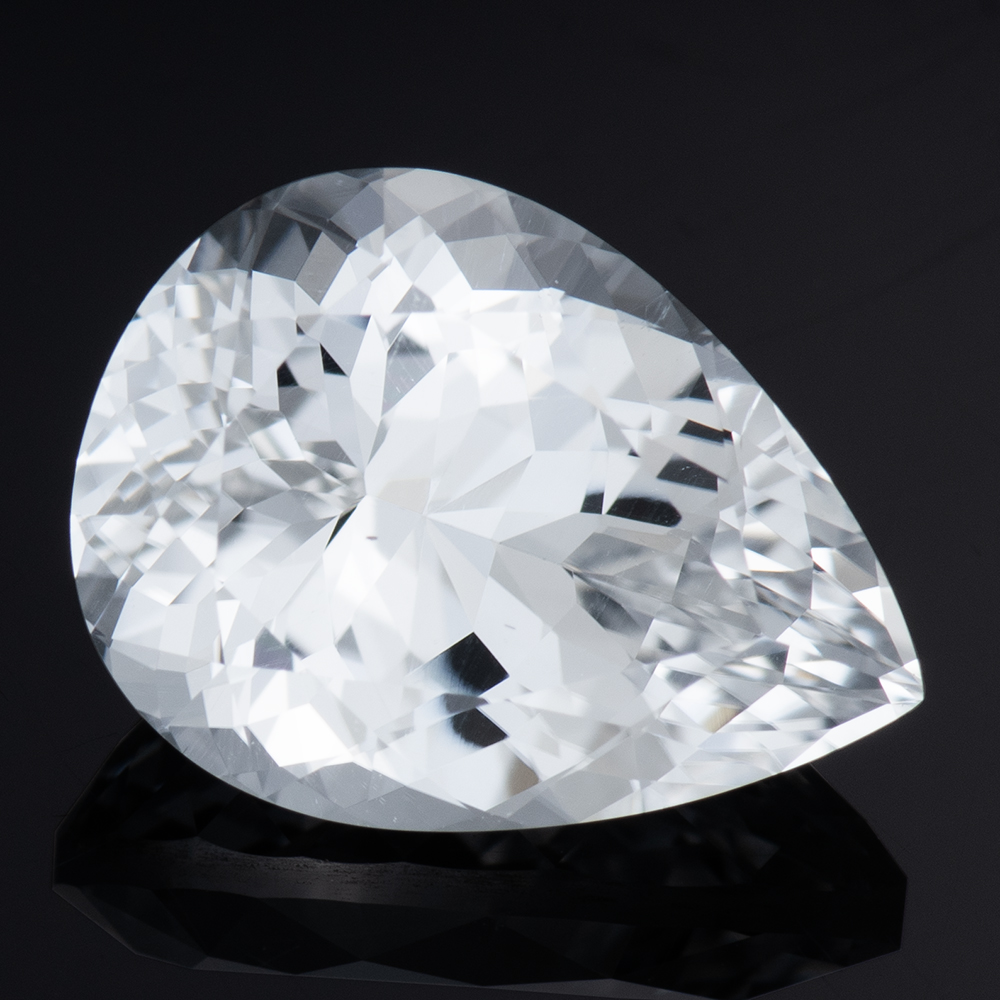
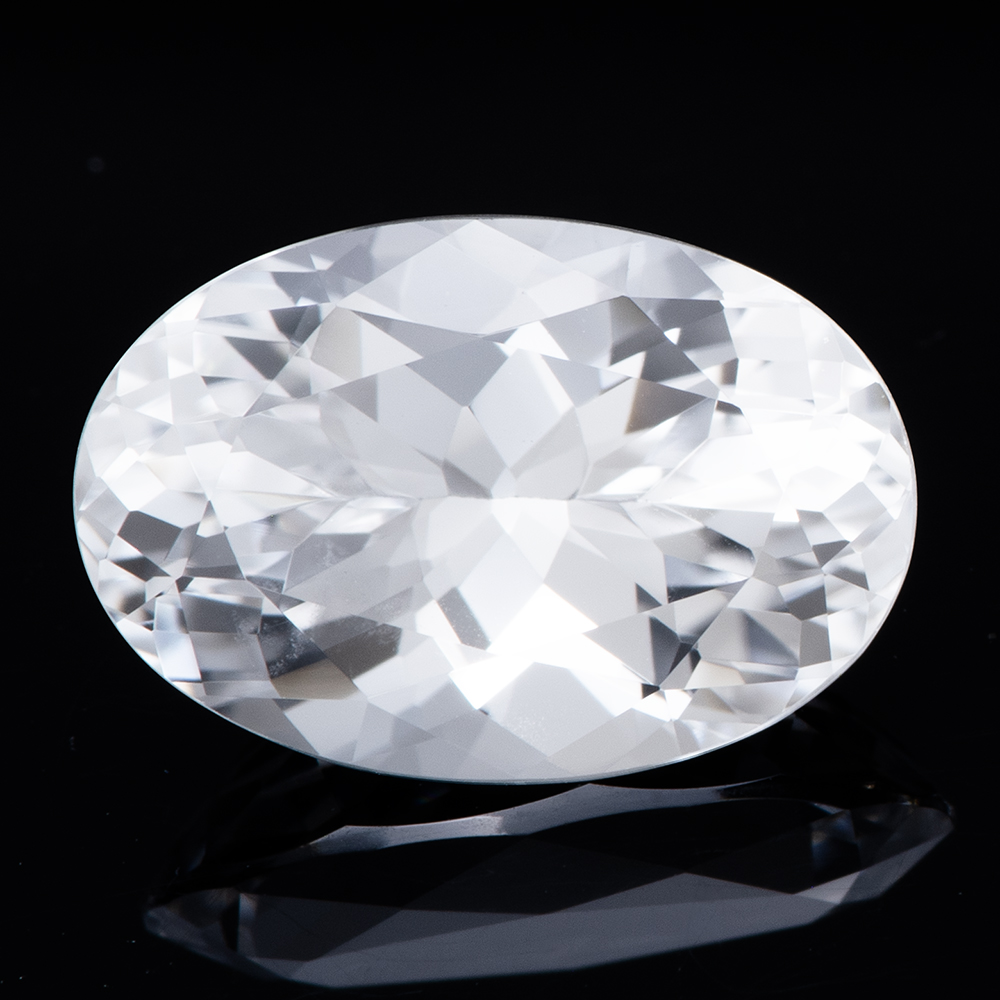
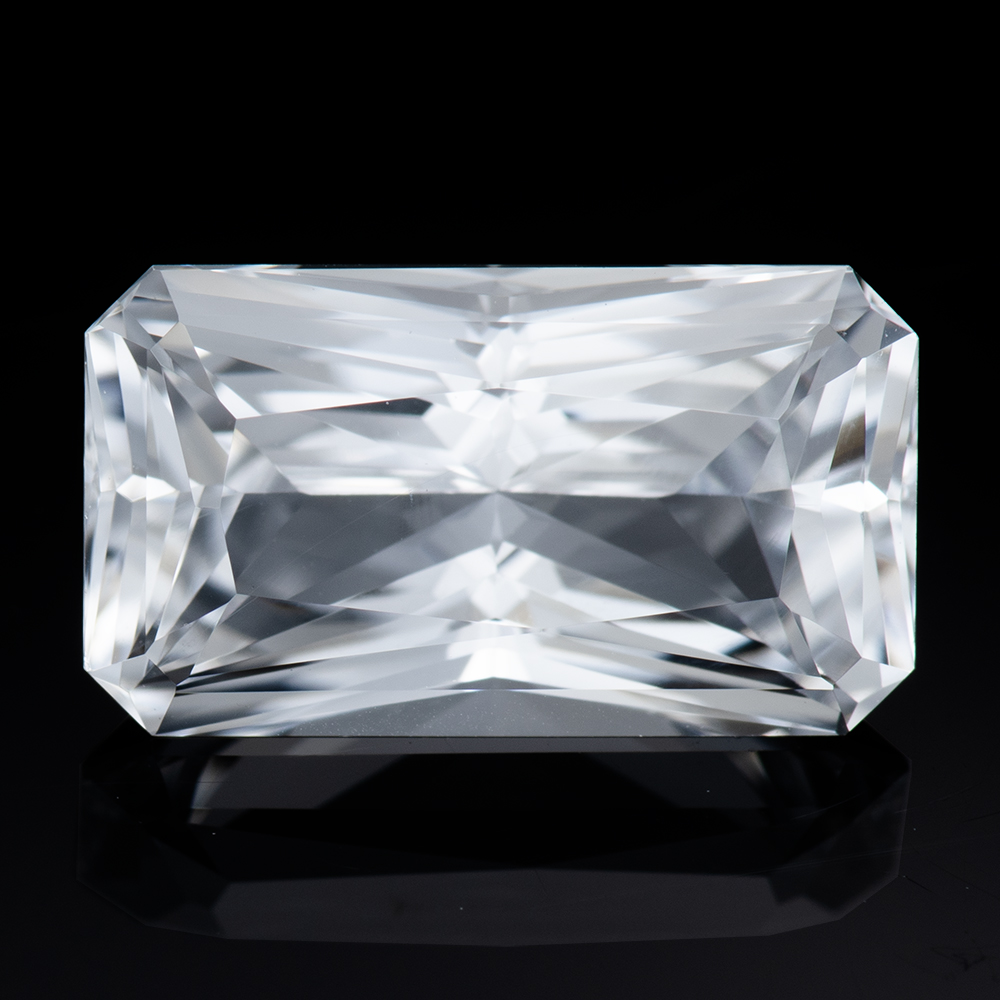
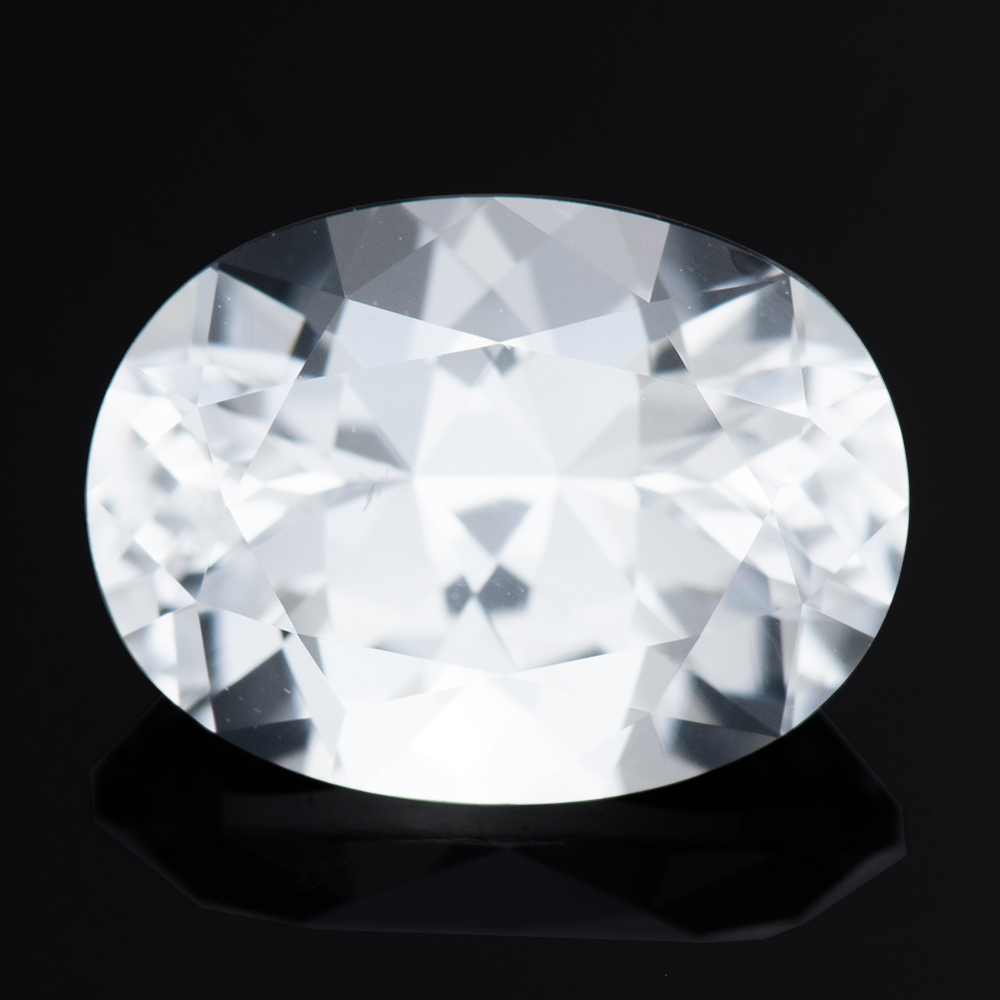
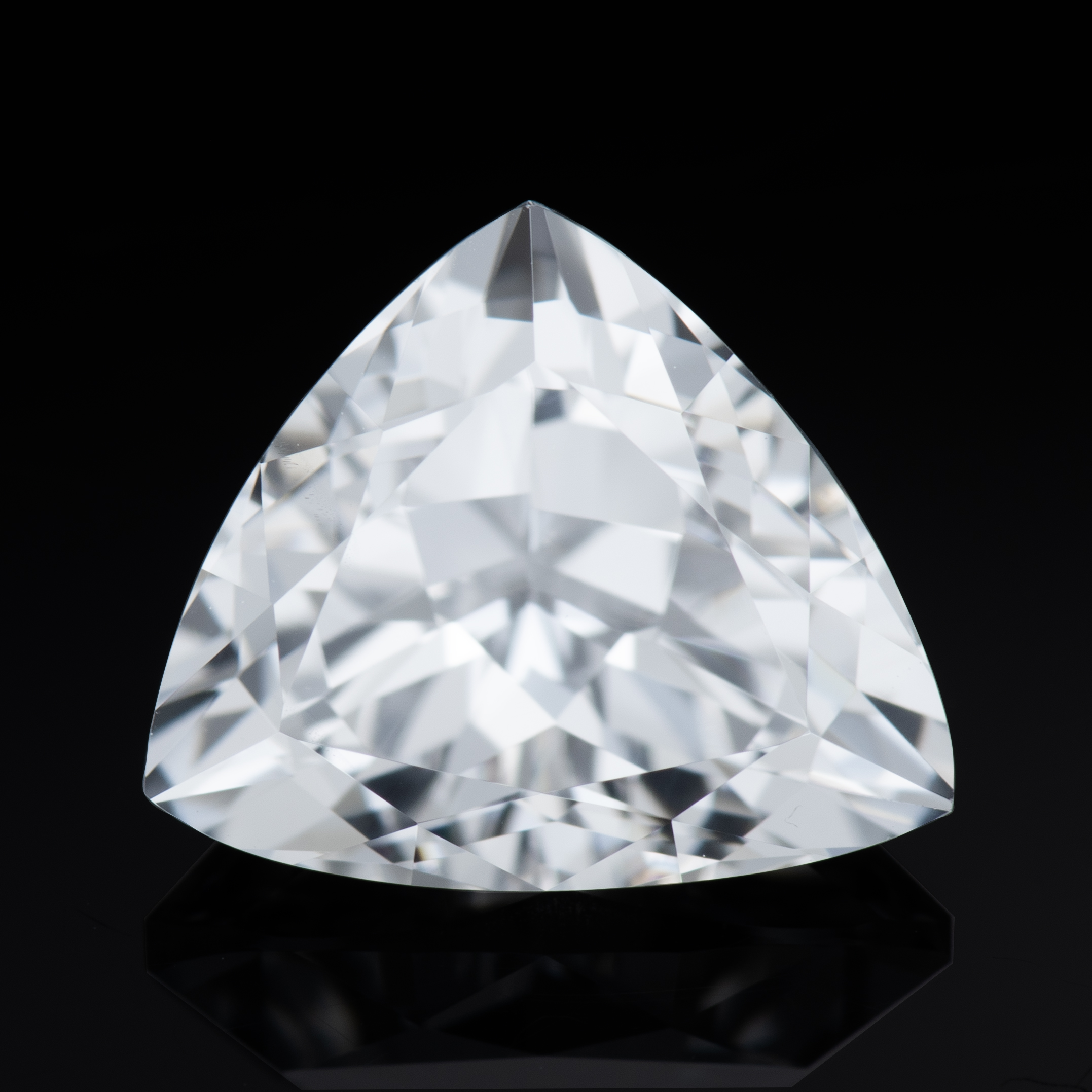
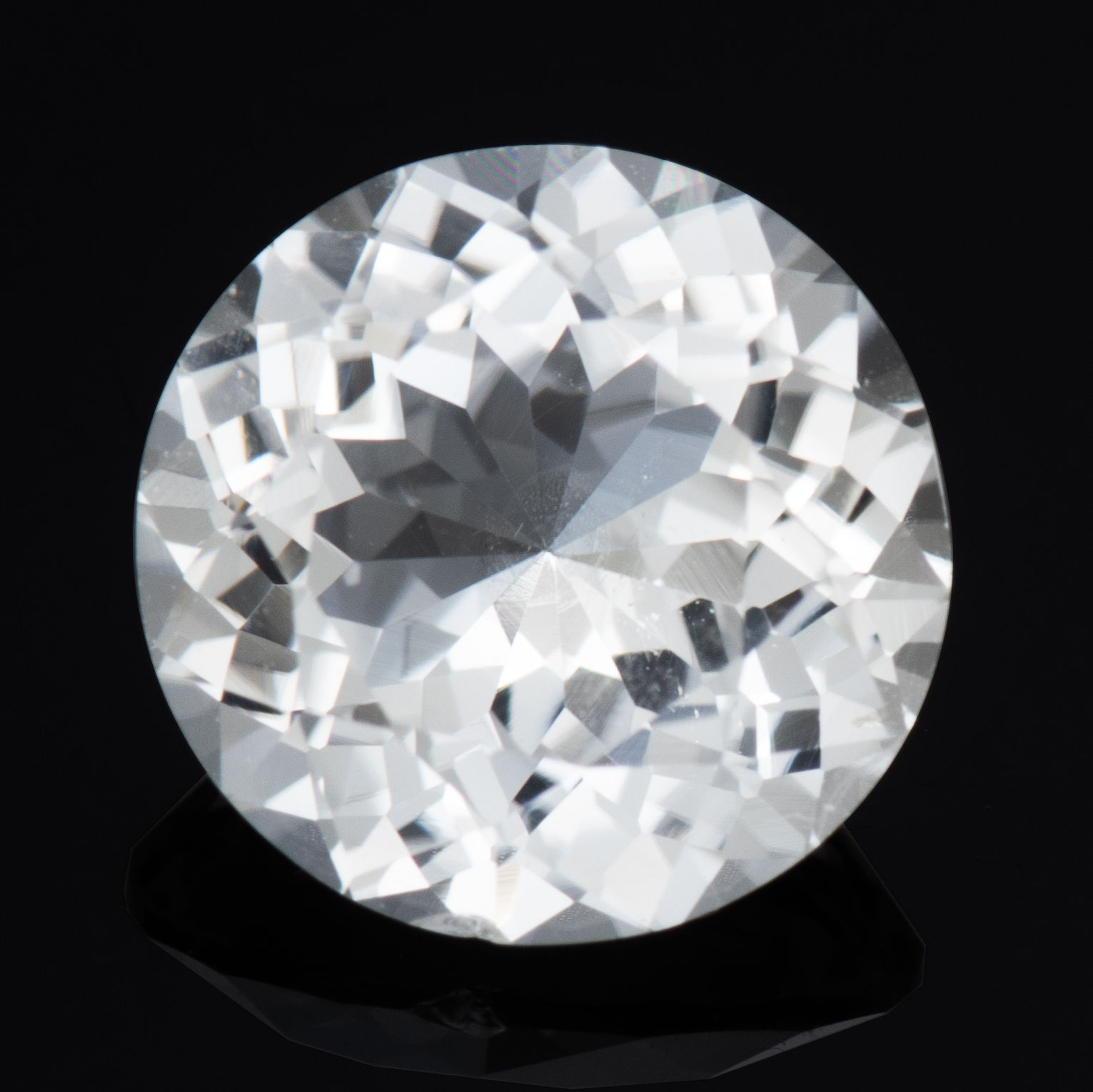
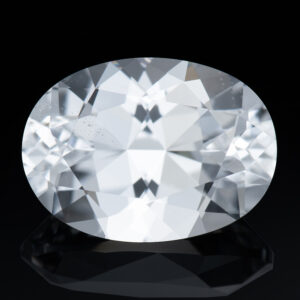
A fine phenakite looks colorless and bright, with no yellow or gray cast and no milky areas. Look for a clear view into the gem, without cracks, black inclusions, or cloudiness. Flawless phenakite is extremely rare, so judge the nature and placement of any inclusions rather than expecting perfection. A stone that is eye-clean and lively is doing its job.
Phenakite is doubly refractive. Under magnification the back facets look doubled when you view a larger stone from certain angles. That is normal for the gem and it is part of how it gets identified, not a defect. A cutter who orients the rough well keeps the doubling from softening the view.
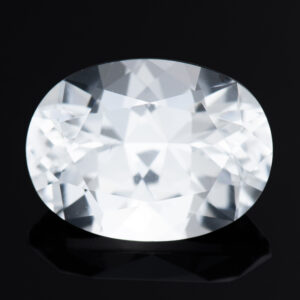
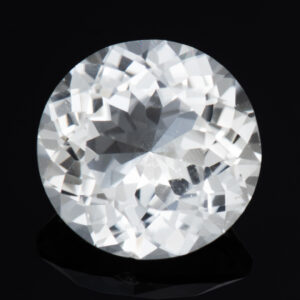
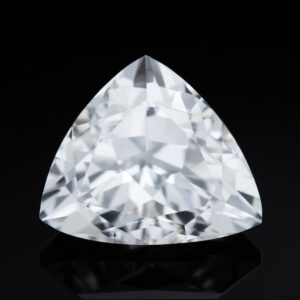
Shape is mostly preference. Oval, round, trillion, pear, and radiant cuts can all be beautiful. Look for pleasing symmetry and lively reflections, and watch for a large see-through window in the middle, where light passes through instead of coming back to you.
Choosing the size
Phenakite is clean and bright, so it doesn’t need the bulk that white topaz does for Venus. Our collection runs from about 2.5 carats to 14 carats, and most of the stones sit between 4 and 6. Keep quality ahead of size: a clear, lively gem is a better choice than a larger stone that looks dull or cloudy.
There isn’t one carat rule that carries across the Venus gems. The size recommendation should be made for the particular gemstone rather than borrowed from a diamond or a sapphire, so have it checked for the stone you are actually considering. You can ask us about a specific stone here.
What phenakite costs
This is the part most people have trouble finding, because so few dealers carry the stone at all. Our current collection runs about $280 to $340 per carat. In practice that puts a stone in the four to four and a half carat range at roughly $1,280 to $1,335, and a 2.59 carat round at $725.
The rate doesn’t climb with size the way it does for sapphire or diamond, so the 14.14 carat trillion works out at about the same per carat as the smallest stone in the collection. Prices change as stones sell and new ones arrive, so the shop page always shows what each gem costs today.
Phenakite, white sapphire, and diamond
All three are Venus gems, and they are not interchangeable. Diamond is the primary gemstone for Venus. White sapphire is the one we recommend most often after it, and it is the better known of the two alternatives. Phenakite is the third choice, and it is worth looking at when you want a natural, untreated Venus gem with real size in it without a diamond budget.
Phenakite has a softer sparkle than diamond and a different character from sapphire. Choose it because you like how it looks and because its quality holds up, not only because of the price. You can read our white sapphire buying guide here, and our guide to all the secondary gemstones here.
Setting and caring for phenakite
Choose the gem first, then have the setting made to fit it. For Vedic jewelry, the back stays open so the underside of the stone can lightly touch the skin. Venus is traditionally worn in silver, white gold, or platinum, and on the ring finger for a ring, the same as for diamond and white sapphire. A pendant works well too.
Phenakite is hard enough for everyday jewelry, but like any faceted gem it can chip on a sharp knock, so a setting that protects the girdle is worth having. Clean it with warm, soapy water and a soft brush, including underneath the gem, where residue collects.
Browse our phenakite collection
Astrological Gem specializes in carrying only the finest quality gems for Jyotish. Our selection is limited for a reason: very few gems possess both the quality we require and the competitive price point we insist on.
Before you buy
It’s best to buy from a qualified Vedic Gemologist who understands quality criteria and inclusions. The right source will have done most of your homework for you.
Once you’re clear on the quality of the phenakite, you can follow your judgment and intuition about which gem would be best for you.
Astrological Gem specializes in carrying only the finest quality gems for Jyotish. Our selection is limited for a reason: very few gems possess both the quality we require and the competitive price point we insist on.
Further reading: What makes a gemstone Jyotish quality? · Secondary Gemstone Buying Guide.