

In Jyotish (Vedic Astrology) each of the nine planetary gems has a traditional metal:
- Gold: Sun, Mars, Mercury and Jupiter
- Silver: Moon and Saturn
- White gold or platinum: Venus
- Silver or white gold: Rahu and Ketu
Mostly, though, the effect comes from the stone, not the metal, so the traditional metal is a preference rather than a rule.
The traditional Vedic metal for each planet
| Planet | Gemstone | Traditional metal |
|---|---|---|
| Sun | Ruby | Gold |
| Moon | Pearl | Silver or white gold |
| Mars | Red coral | Gold, or silver to soften its intensity |
| Mercury | Emerald | Yellow gold |
| Jupiter | Yellow sapphire | Gold (silver is fine on a budget) |
| Venus | Diamond | White gold or platinum (silver on a budget) |
| Saturn | Blue sapphire | Silver, white gold or platinum |
| Rahu | Hessonite | Silver or white gold |
| Ketu | Cat’s eye | Silver or white gold |
Traditional metals in real pieces
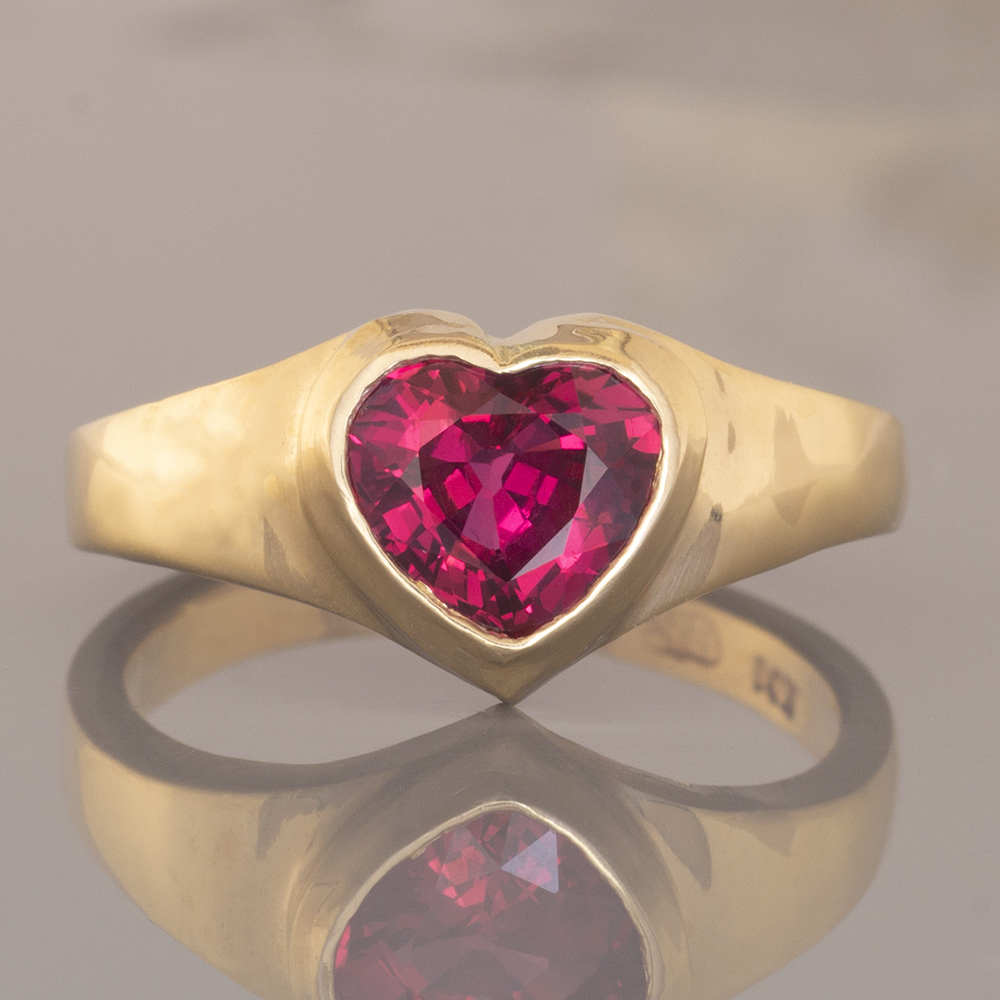

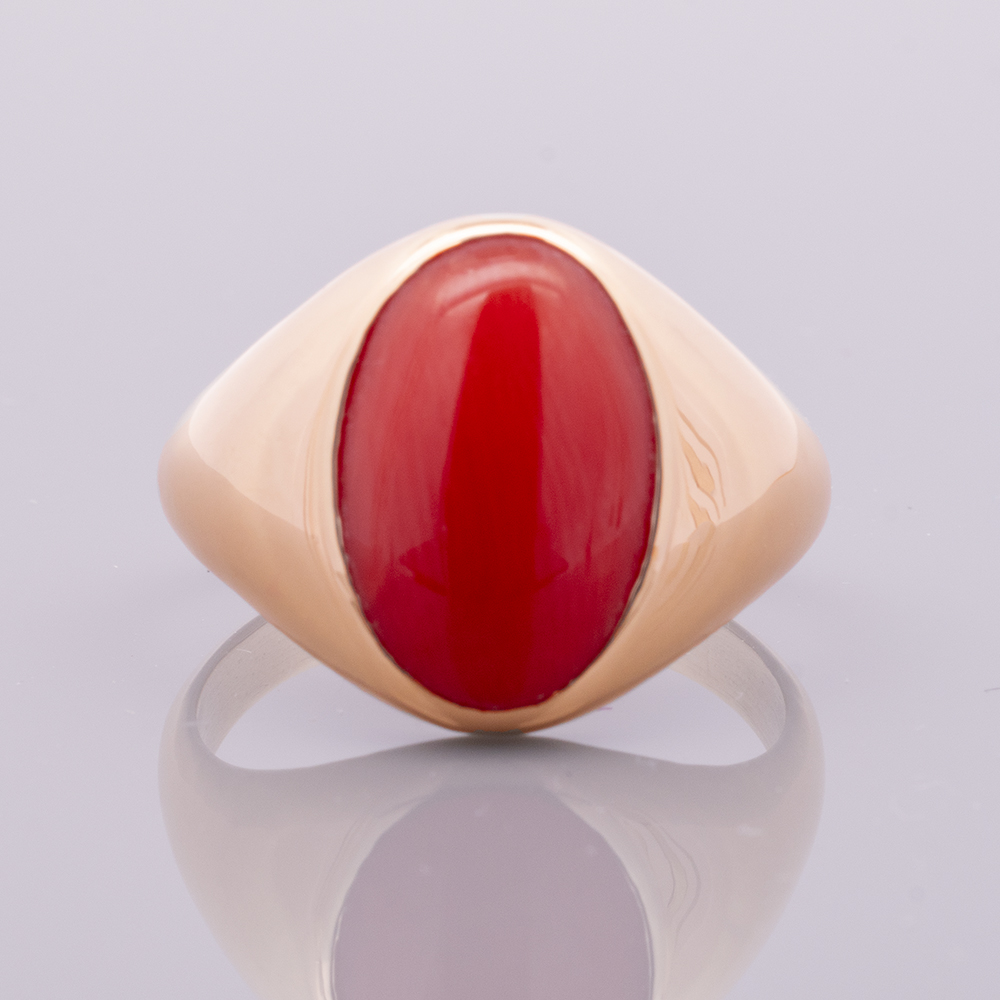
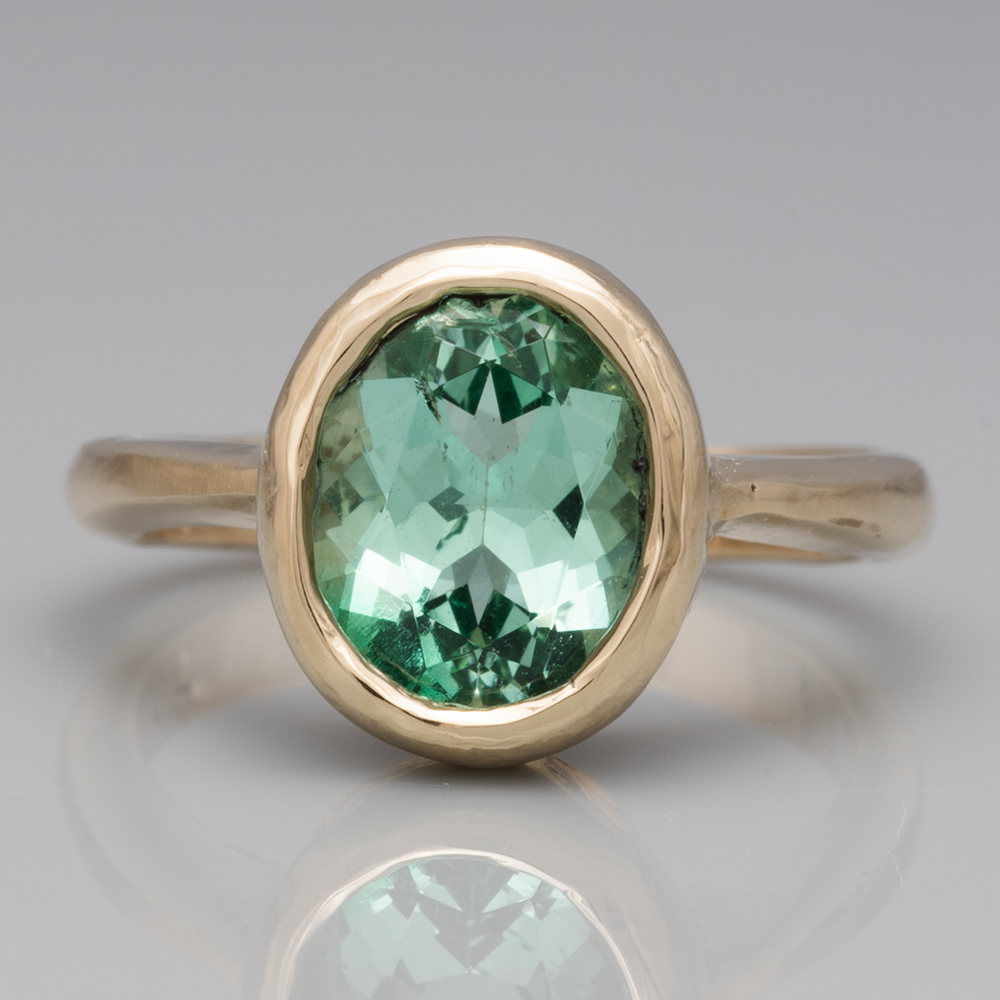
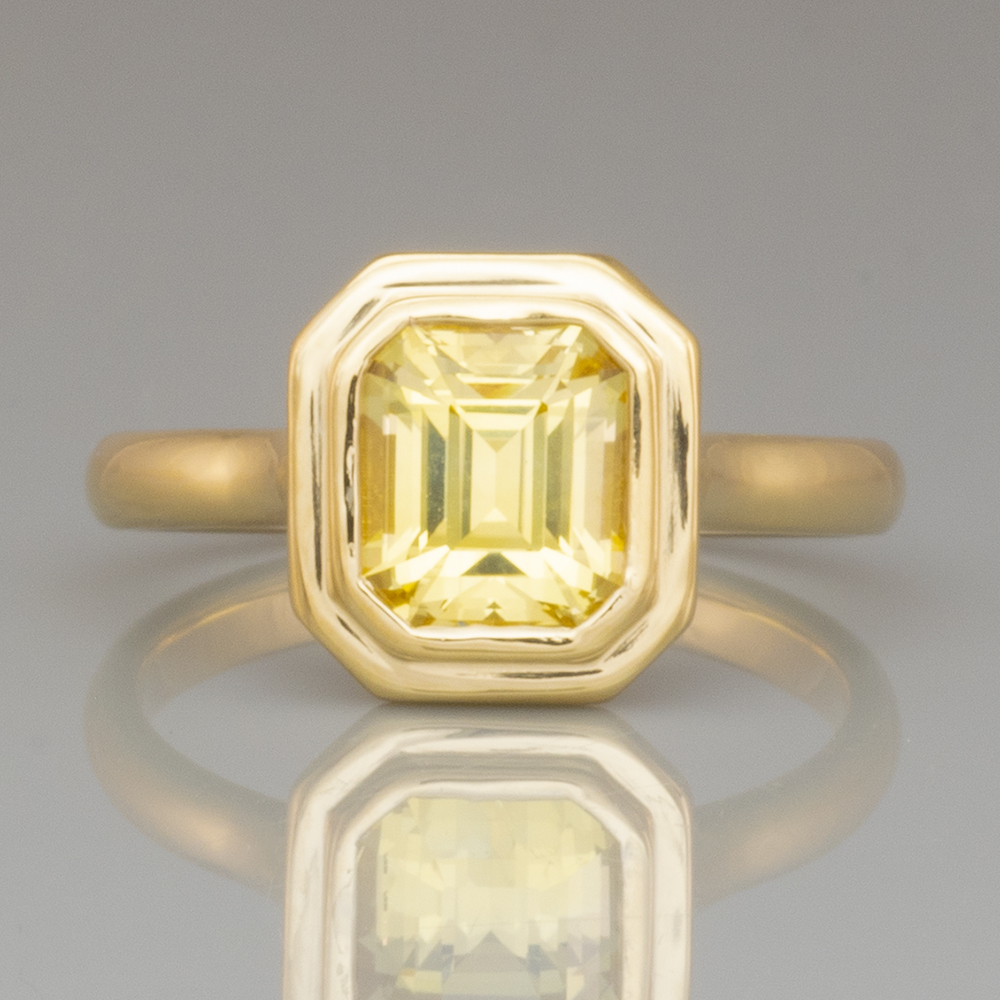
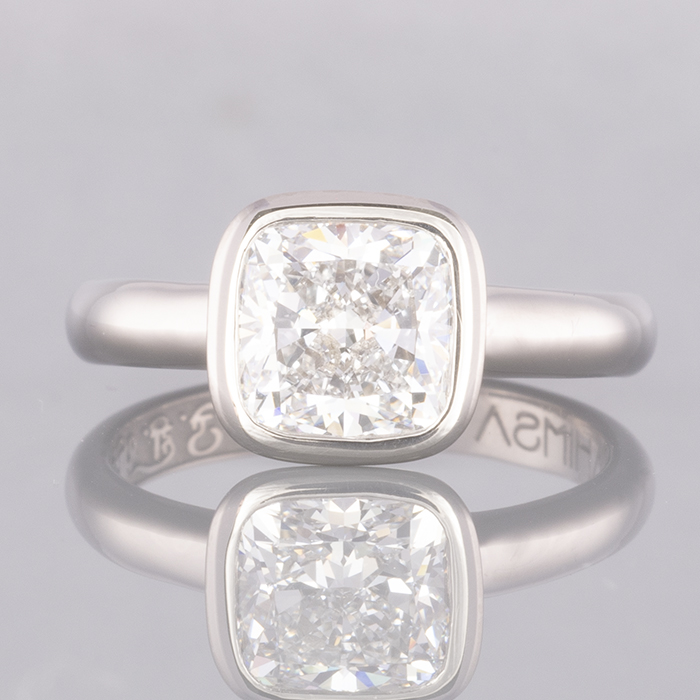
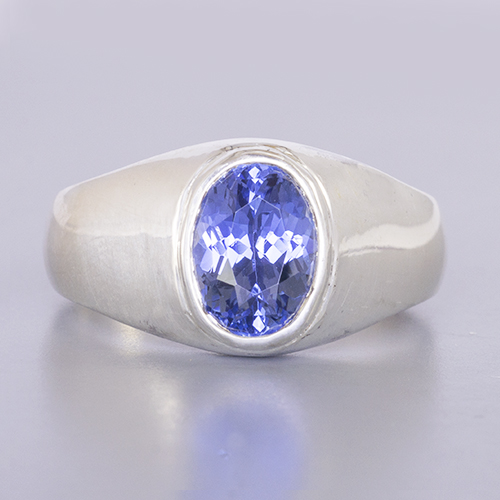
Secondary stones (uparatnas, the gentler gems that share a planet’s color) follow the same metal as their primary gem, and all of them can be set in silver if gold becomes cost prohibitive.
When another metal is fine
A gem set in a different metal will still work in a majority of cases. Virtually all of the effect comes from the gem itself, not the metal it’s set in. That’s why we’re comfortable setting a yellow sapphire or an emerald in silver when gold would push the jewelry past someone’s budget.
It works the other way too. We have some customers who love yellow gold and only wear yellow gold, and they’ve had fine results setting their pearl in it, even though silver is the Moon’s traditional metal. Venus gems are another good example: it’s okay to put them in yellow gold. It’s not the default, but Venus doesn’t mind.
Red coral is the one gem where the metal is sometimes chosen on purpose. It’s traditionally set in gold, but some people set it in silver to cool it down energetically, which is also okay.
Rule breakers that still work
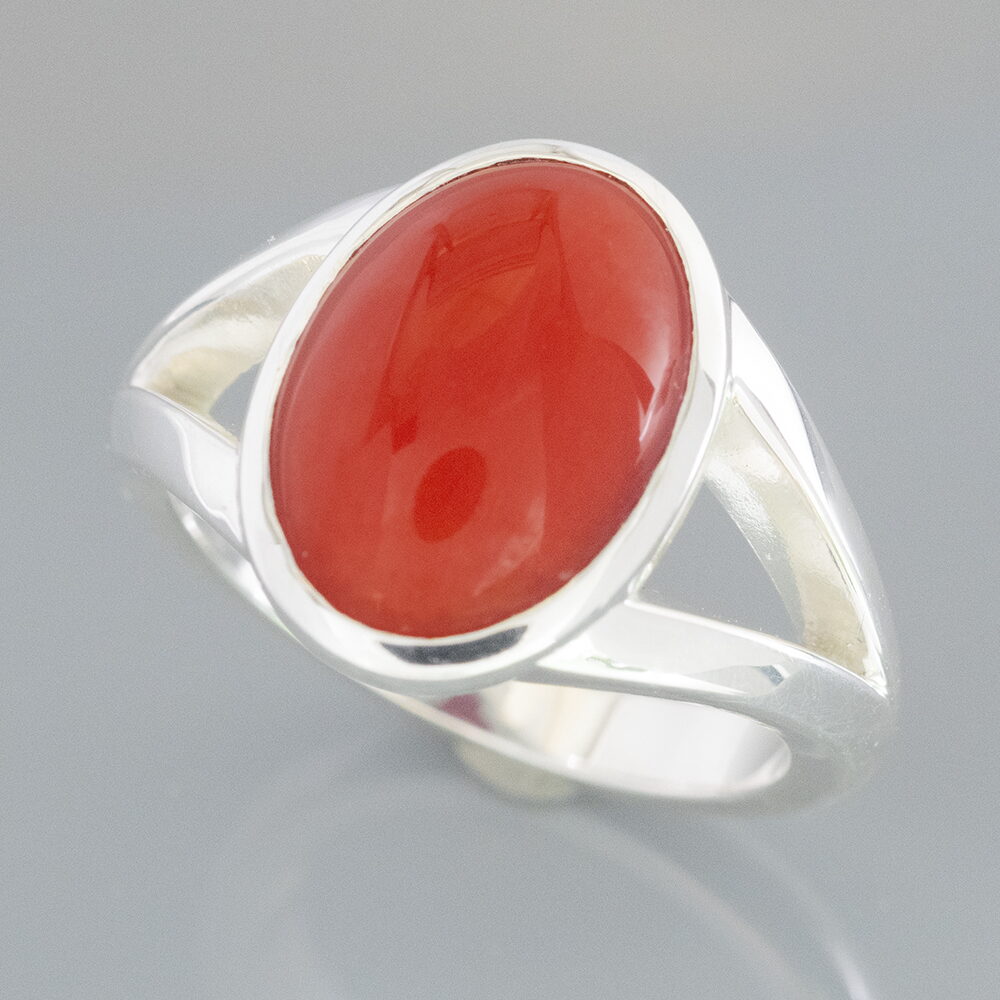

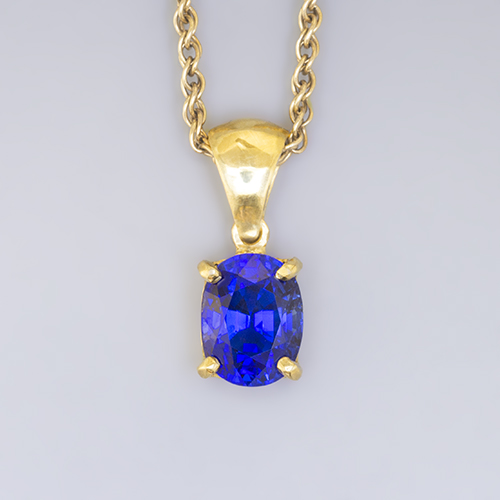
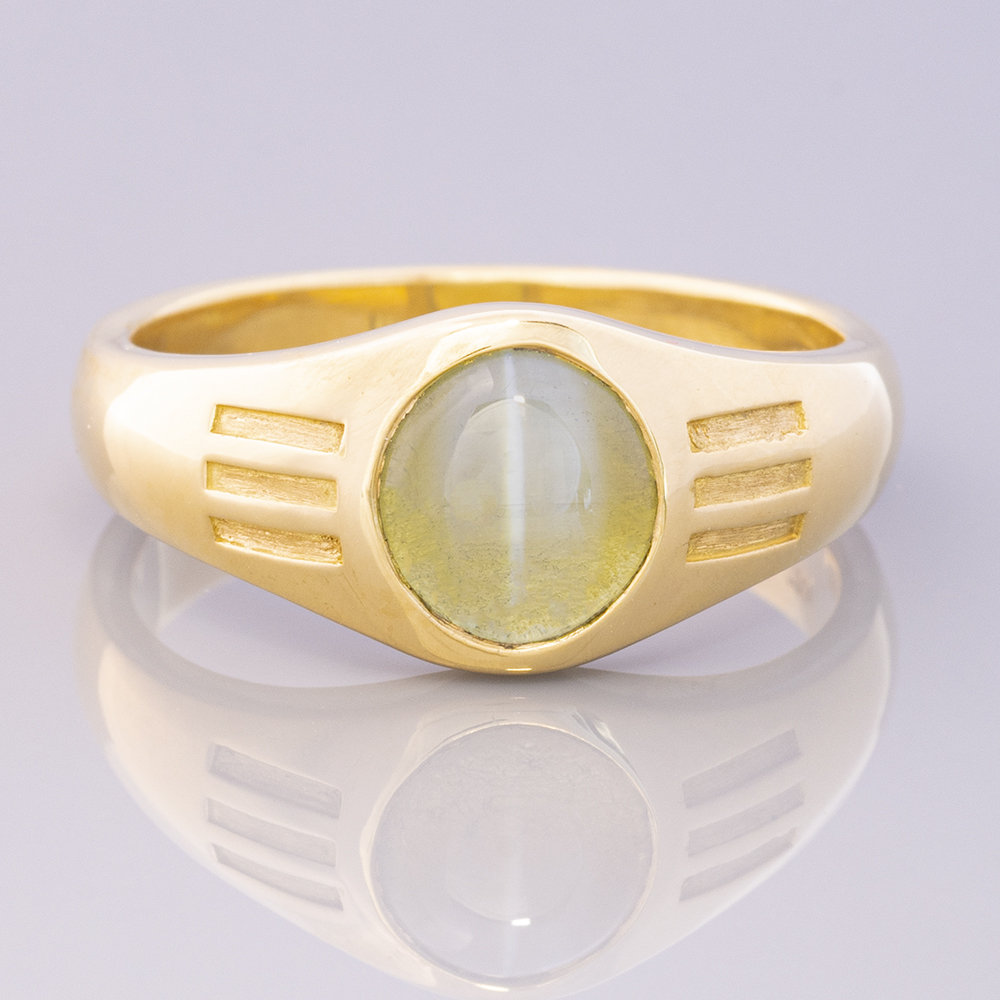
Gold: 14k and up
Use gold of 14k or higher. 14k gold is more durable than 18k gold, but a little less yellow. 18k is the most common gold we use. 22k gold is too soft for everyday wear in most cases, unless the setting is very substantial and securely built. We never use 24k gold because it’s too soft.
Why we don’t use copper or three-metal rings
You’ll often see Jyotish gems sold in copper, or in a three-metal ring, also called a tridhatu, or “three metals,” ring, which blends gold, silver and copper. Its cousins are the panchdhatu, a five-metal alloy, and the ashtadhatu, an eight-metal alloy. We don’t use any of them. Copper tarnishes and can turn the skin green, and it’s too soft to hold a valuable stone securely through years of daily wear. Blended metals share the same problems, and they’re hard for a jeweler to repair or resize. A Jyotish gem is often worn for life, and its setting should last as long as you wear the stone.
In our experience, copper and three-metal settings have no real bearing on the effect of the gem either. The effect comes from the stone.
Whatever the metal, open behind the stone
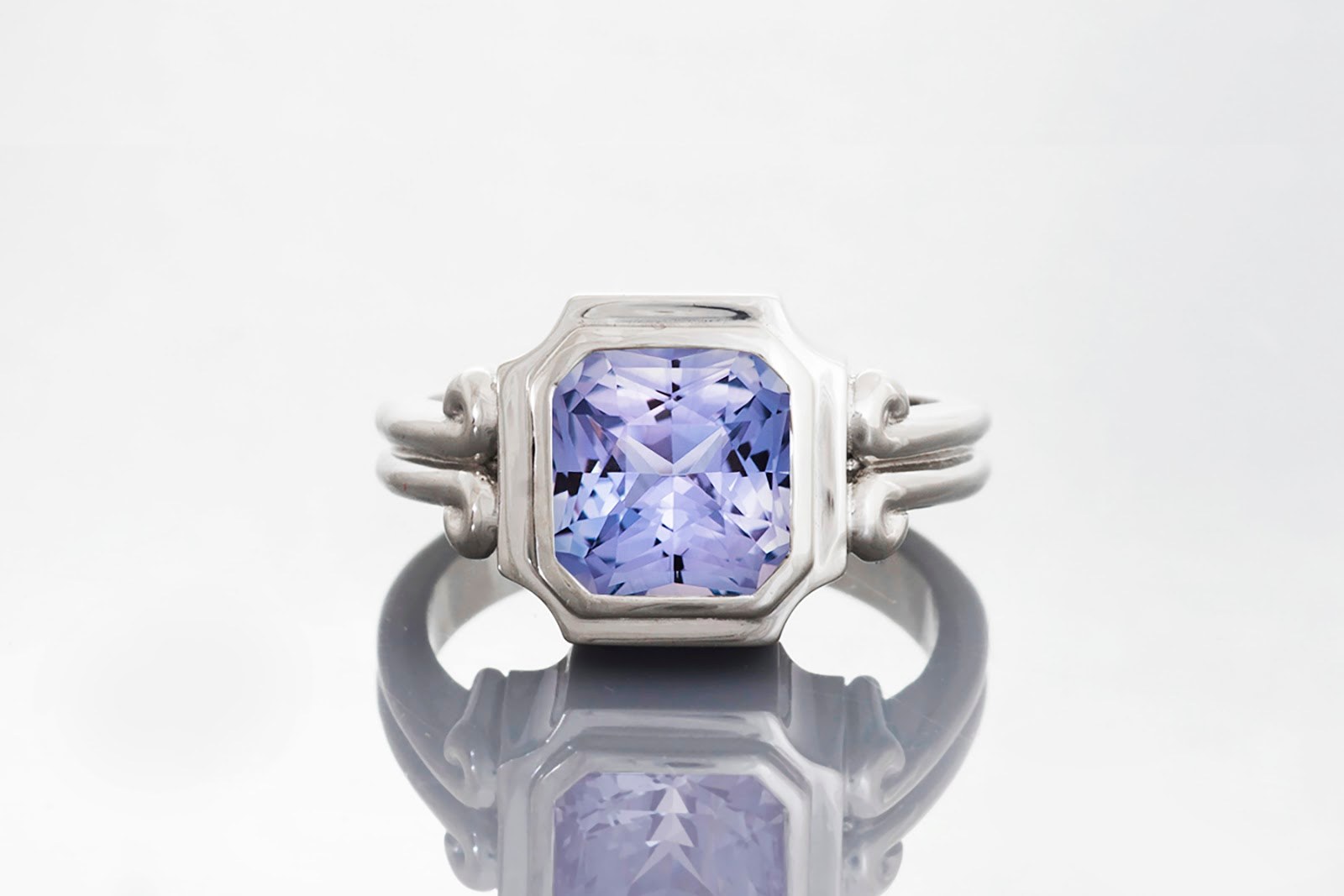
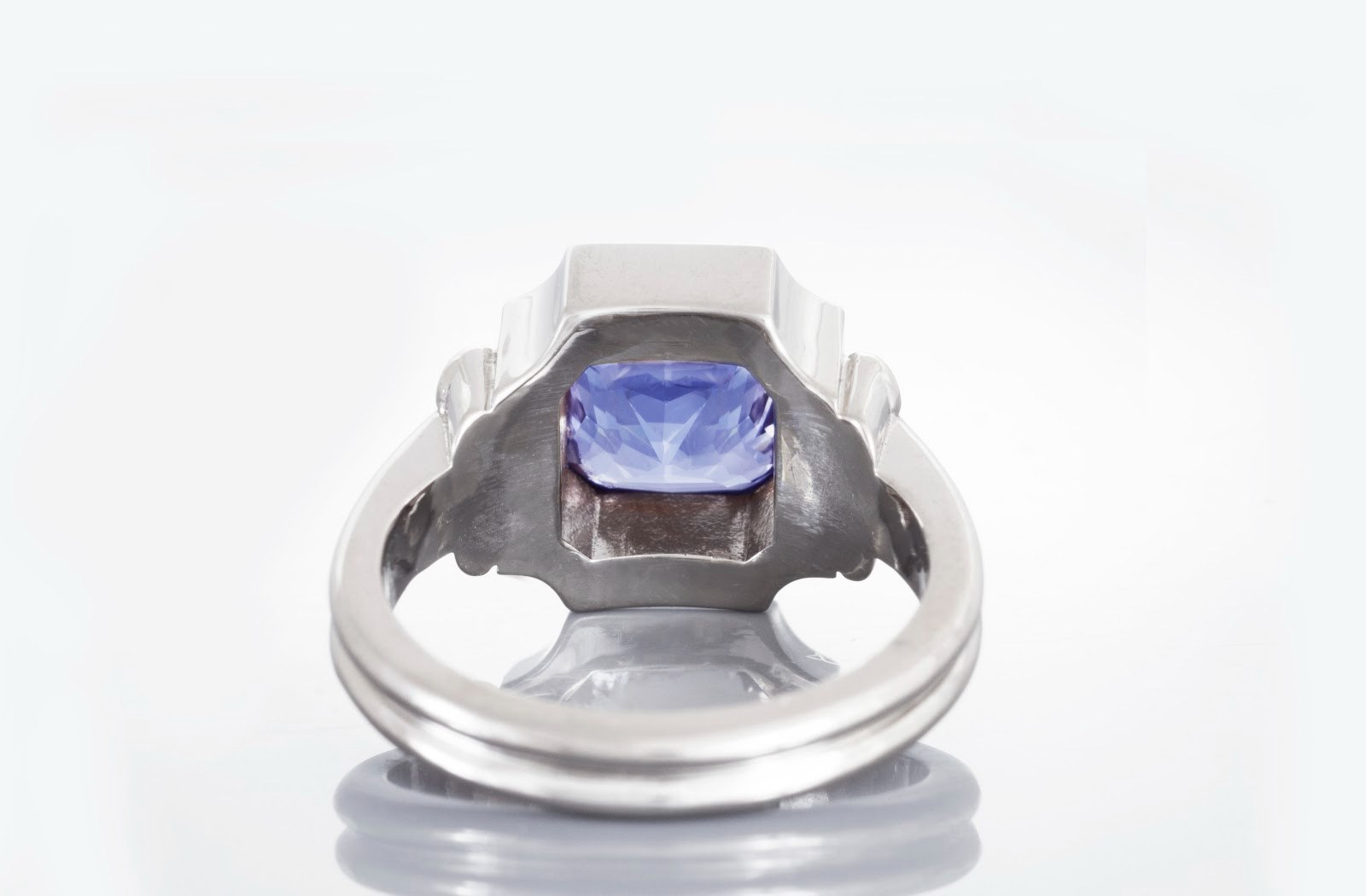
For Vedic astrology, gemstones should be set in jewelry that’s open on the underside, allowing the gem to lightly touch the skin when possible. This allows light and color to pass through the stone without being blocked by metal. Rings and pendants both work, and the chain makes no difference at all. Read the traditional finger and day for each gem here.
Not sure which gem is yours? Start with our Free Gem Report. If you’re ready to buy, order a Personal Consultation to confirm the gem is the right match for you. The consultation fee is credited back with any gemstone purchase over $500.