

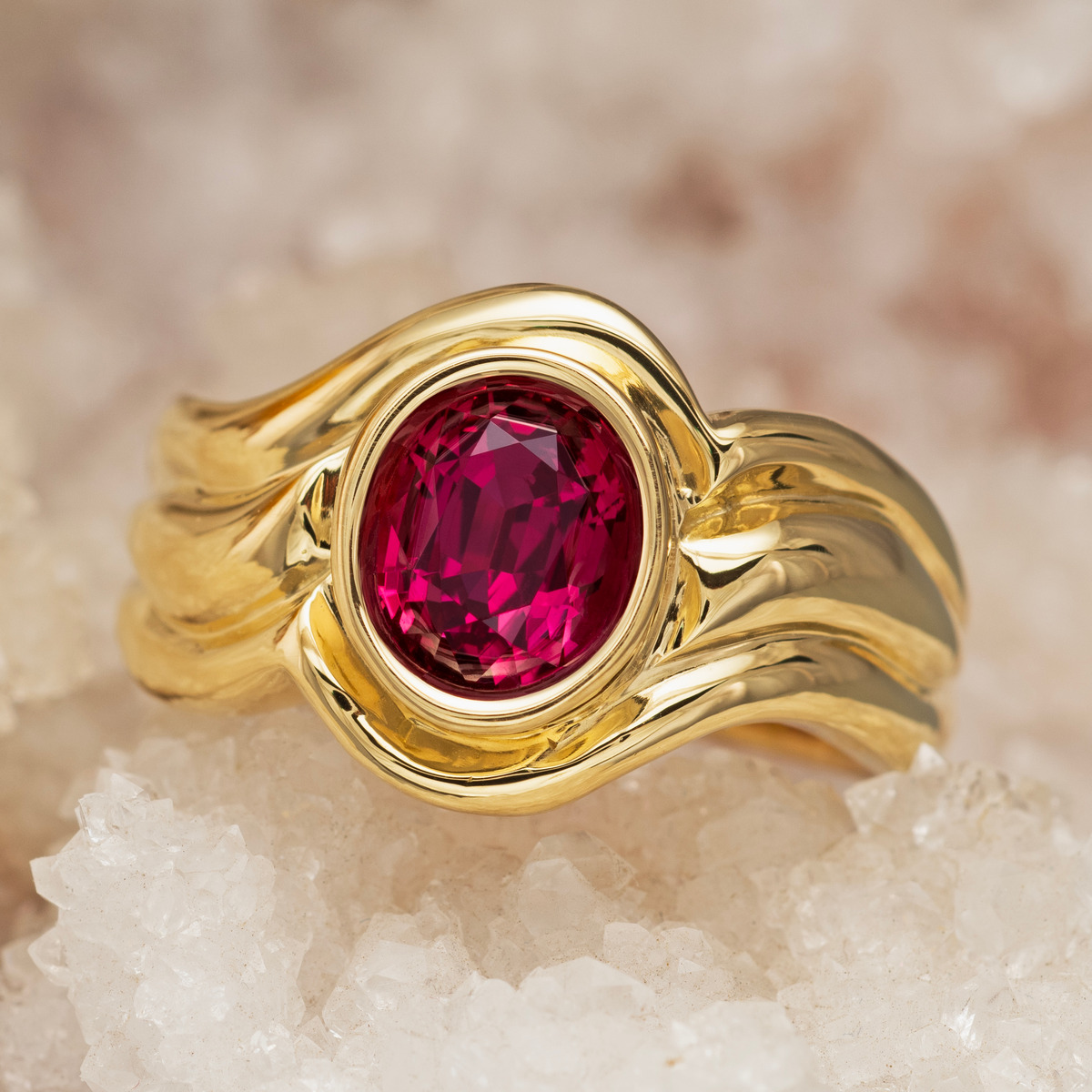
Jyotish Jewelry is a ring or pendant made to hold your Vedic gemstone. There are certain rules that must be followed for a true Vedic setting, and other rules that can be bent. We’ll review those below.
Two rules never bend: wear only a gem of true Jyotish quality, and wear only gems for planets that help your chart. Everything else on this page is tradition you can adjust.
On this page
The rules at a glance
| Guideline | The traditional rule | How strict? |
|---|---|---|
| Gem quality | Natural, untreated, clean to the eye, good color | Never bends |
| The right planet | Only gems for planets that help your chart | Never bends |
| Carat weight | Big enough to be effective, usually 1 to 3 carats for primary gems | Quality matters more than size |
| Metal | Each planet has a traditional metal | Preference, not a rule |
| Setting | Open behind the stone so it lightly touches the skin | Strongly recommended |
| Finger | Each planet has a traditional finger | Can bend |
| Timing | Start on the planet’s day, ideally at sunrise | Optional |
1. It starts with the gem
The jewelry can only be as good as the stone in it. A Jyotish gem should be:
- Natural. Lab-grown diamonds and gemstones are rising in popularity but do not work for Jyotish.
- Untreated. No heating, filling, or irradiating. In Jyotish, only unheated sapphires and rubies are believed to give astrological benefit. Synthetic and treated stones are considered ineffective even though they look beautiful.
- Clean to the naked eye. Tiny inclusions you can only see under magnification are fine, and can even show a stone wasn’t heated. Emeralds are the exception: some visible inclusions are normal in fine emeralds.
- Good color and a good cut. Rich, even color, and a cut that lets light move through the stone. A stone cut too shallow loses its life.
Because treatments are hard to spot, buy from a source you trust.
2. Carat weight: how big does it need to be?
Size means nothing without quality. A very clean, well-colored 1 carat ruby is considered far more powerful than a cloudy 5 carat one. Bigger stones are only stronger when you compare stones of equal quality.
As a starting point, these are the smallest sizes we usually recommend:
| Planet | Gemstone | Smallest size |
|---|---|---|
| Sun | Ruby | About 1 carat |
| Moon | Pearl | 1 to 2 carats certified natural, 5 or more tissue-nucleated |
| Mars | Red coral | 3 to 4 carats |
| Mercury | Emerald | 1 carat, ideally 2 or more |
| Jupiter | Yellow sapphire | 2 carats |
| Venus | Diamond | 1 carat |
| Saturn | Blue sapphire | About 2 carats |
| Rahu | Hessonite | 1 to 2 carats |
| Ketu | Cat’s eye | 1 to 2 carats |
Uparatnas, or secondary stones, should be larger than the primary gem they stand in for. Your chart can change the right size too, which is something we look at in a Personal Gemstone Consultation.
Further reading
3. The traditional Vedic metal for each planet
Each planet has a traditional metal. But the effect almost entirely comes from the stone, not the metal, so think of metal as a preference rather than a rule. Silver is thought to be cooling and gold to be heating. Some people only wear gold every day. Personalize to your discretion.
| Planet | Gemstone | Traditional metal |
|---|---|---|
| Sun | Ruby | Gold |
| Moon | Pearl | Silver or white gold |
| Mars | Red coral | Gold, or silver to soften its intensity |
| Mercury | Emerald | Yellow gold |
| Jupiter | Yellow sapphire | Gold (silver is fine on a budget) |
| Venus | Diamond | White gold or platinum (silver on a budget) |
| Saturn | Blue sapphire | Silver, white gold or platinum |
| Rahu | Hessonite | Silver or white gold |
| Ketu | Cat’s eye | Silver or white gold |

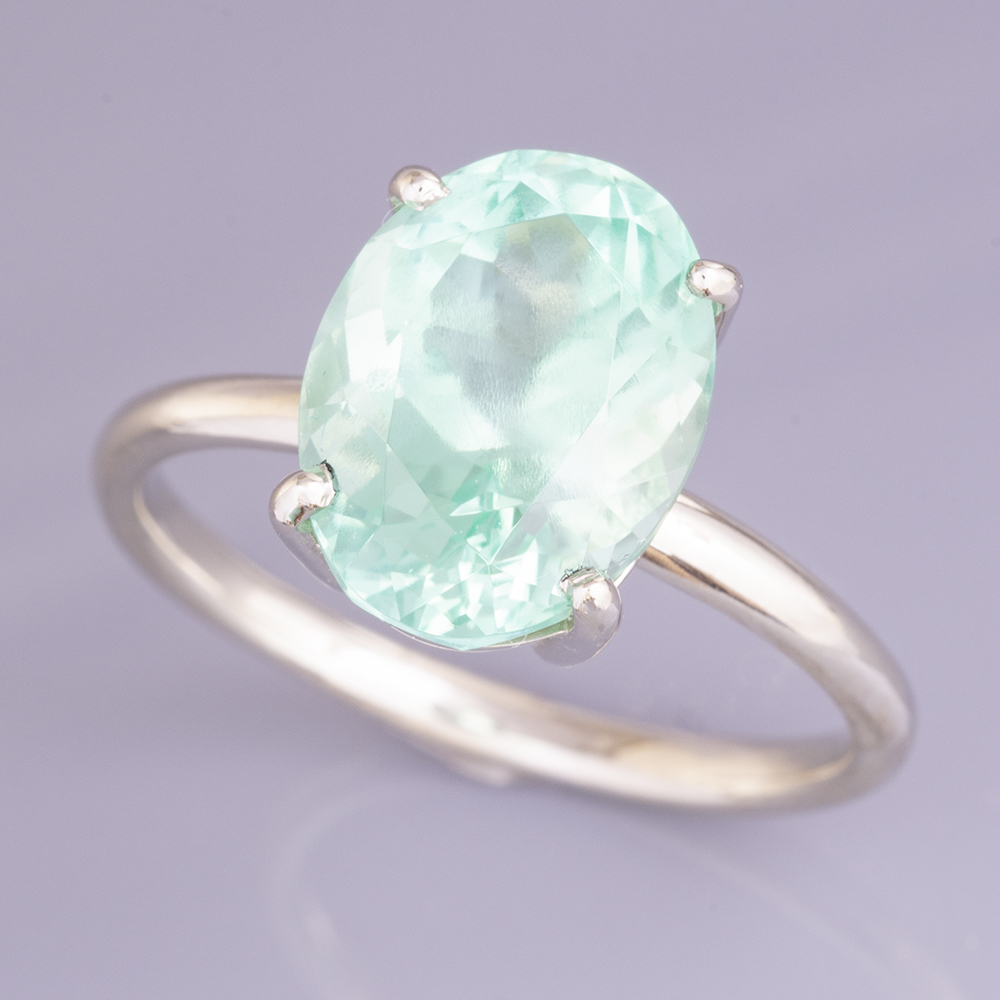
A few practical rules: use gold of 14k or higher. 14k gold is more durable than 18k gold, but a little less yellow. 18k is the most common gold we use. 22k gold is too soft for everyday wear in most cases, unless the setting is very substantial and securely built. We never use 24k gold because it’s too soft.
We also don’t use copper or blended three-metal rings: they tarnish, can turn skin green, and are hard to repair or resize, and we don’t recommend plating either because it comes off with time, especially with Jyotish jewelry which is worn as often as possible.
Further reading
4. The setting: open back, touching the skin
This is the rule that most sets Jyotish jewelry apart from ordinary fine jewelry.
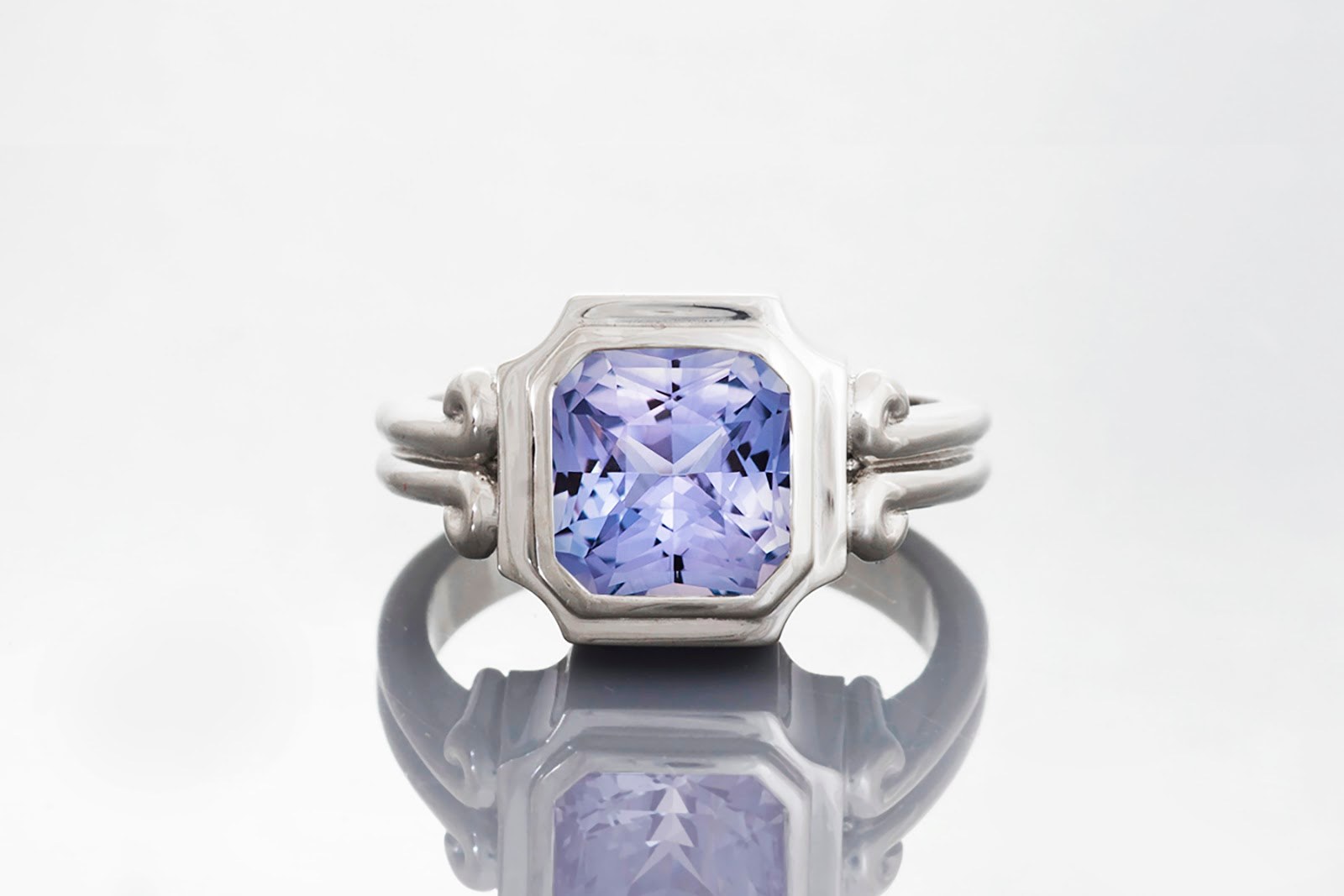
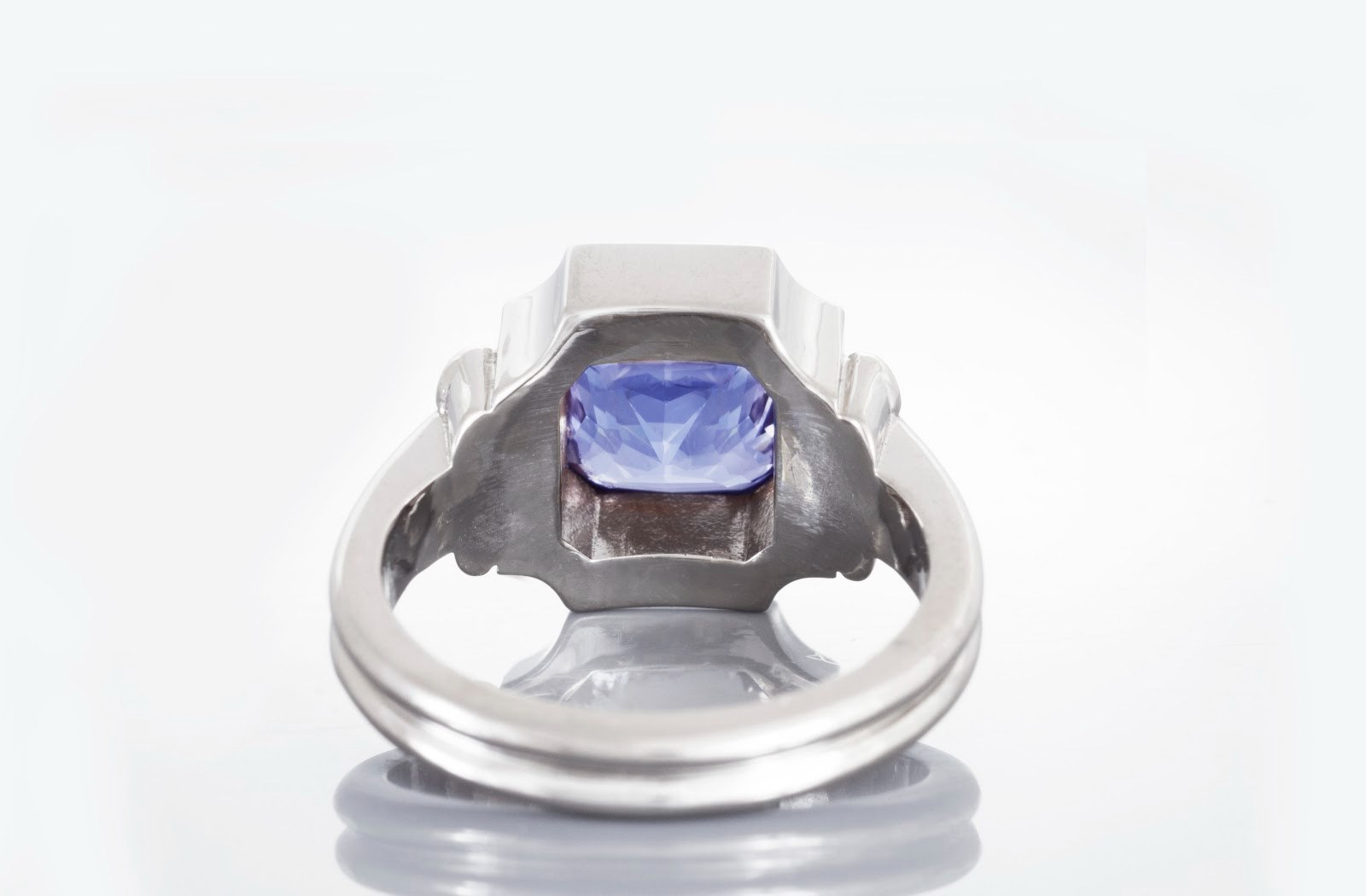
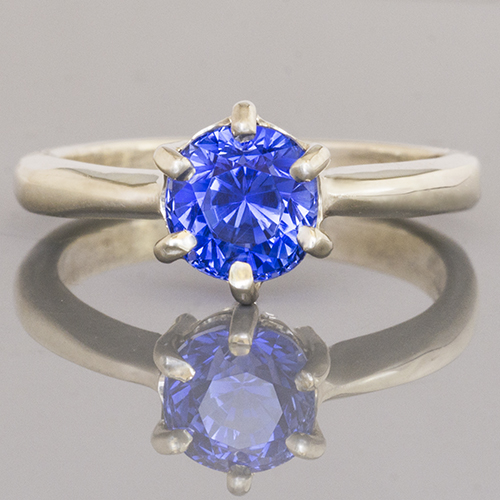
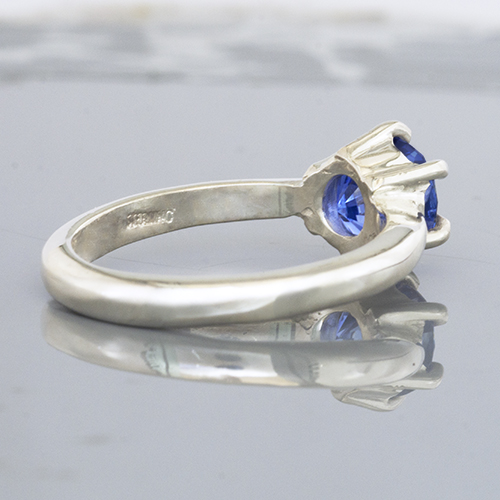
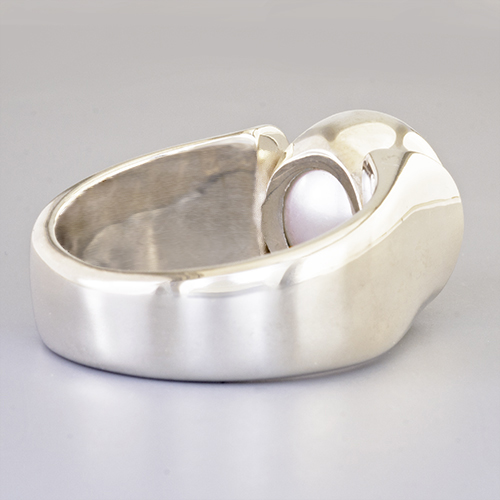
- Open behind the stone. The setting is left open underneath so light and color pass through the gem.
- Lightly touching the skin. Where the gem’s shape allows, the back of the stone sits just at the skin. It should rest gently against the skin.
- Never heated when set. Our jewelers set every stone cold, so nothing changes the gem during setting.
- Bezel or prongs both work. A full bezel protects softer gems like pearl, coral and emerald. Prongs show more of the stone. Either one can be open-backed.
5. Ring or pendant? And which finger?
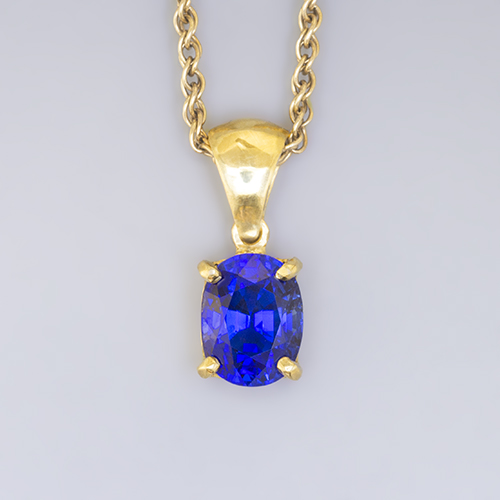
Rings are traditional, but a pendant works too. It can be worn under clothing so it touches the chest, and the type of chain makes no difference.
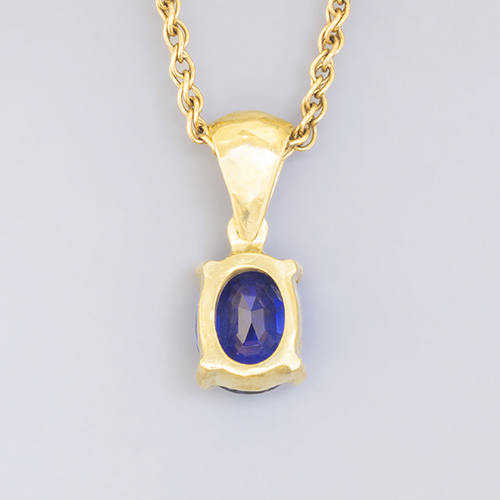
For rings, each planet has a traditional finger. Either hand is fine.
| Gemstone | Traditional finger | Start wearing on |
|---|---|---|
| Ruby | Ring finger | Sunday |
| Pearl | Little or ring finger | Monday |
| Red coral | Ring finger | Tuesday |
| Emerald | Little or ring finger | Wednesday |
| Yellow sapphire | Index finger | Thursday |
| Diamond | Ring finger | Friday |
| Blue sapphire | Middle finger | Saturday |
| Hessonite | Middle finger | Saturday |
| Cat’s eye | Middle finger | Tuesday |
The finger can bend. Many people wear their gem on the ring finger for comfort, and emeralds are often worn there because they’re fragile.
Wearing more than one gem? Some gems can share a ring or pendant, and some traditionally shouldn’t, because their planets don’t get along (ruby with blue sapphire is a common example). We check your combination before we design a multi-gem piece.
6. Timing: when to start wearing it
Tradition says to put on your gem for the first time on its planet’s day (see the table above), ideally at sunrise, and ideally while the Moon is waxing. A Vedic astrologer can also choose a muhurta, an especially auspicious date and time, just for you.
None of this is required. Not everyone has an astrologer to pick a date, and your gem still works if you start on an ordinary day.
Further reading
See the rules in real pieces
Every piece in our portfolio was made for a client’s Jyotish gemstone, following these guidelines.
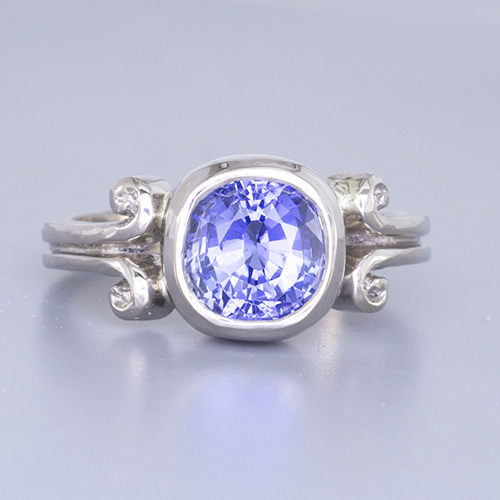
Open-back bezels and prongs in gold and silver.
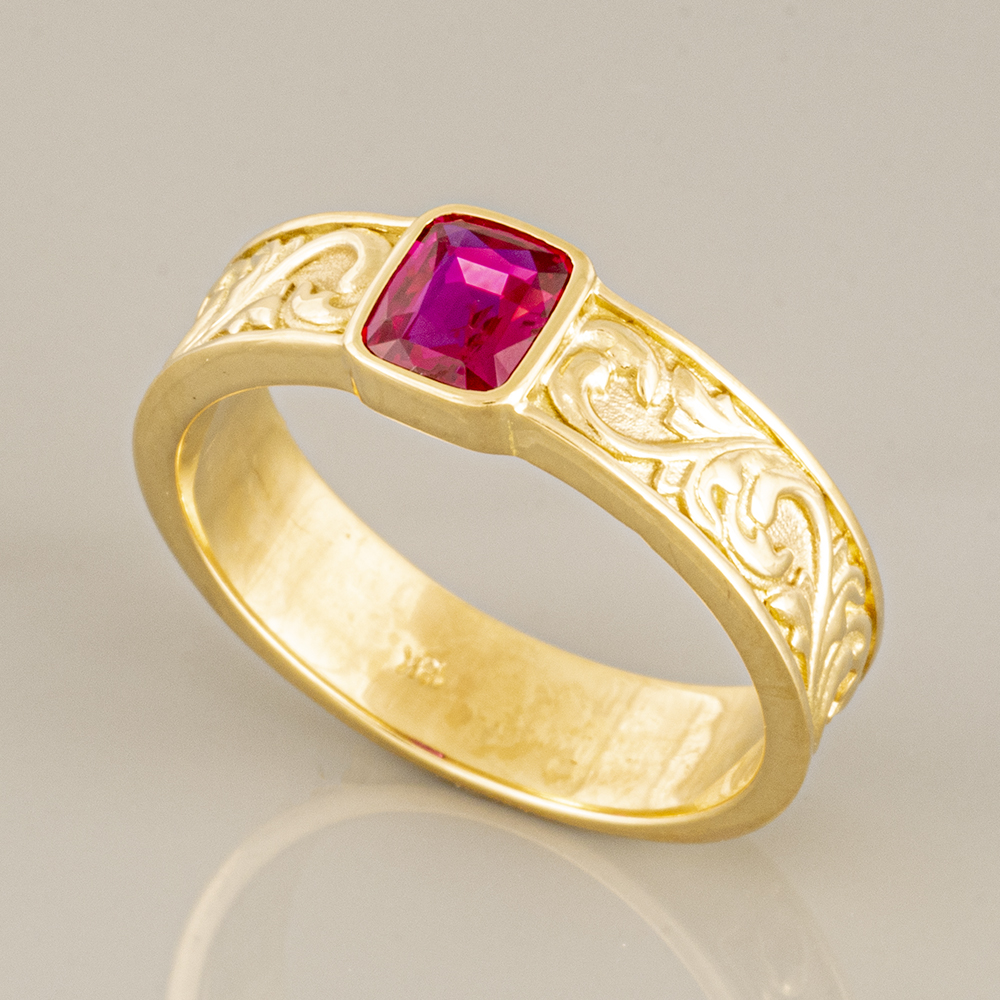
Sturdy bezels that keep the stone at the skin.
For when a ring isn’t practical.

Compatible gems set together, checked against your chart.
Looking for something else? See other jewelry, with more styles and one-of-a-kind designs.
How to get yours made
- Choose your gemstone. Not sure which one? Start with the Free Gem Report.
- Tell us at checkout that you’d like it set.
- Pick a style from the portfolio, or describe your own.
- Tarah takes it from there: your quote, your design, and a finished piece in 2 to 12 weeks, with settings starting at $250 in silver.
Common questions about Jyotish jewelry
Does the gem have to touch my skin?
It’s strongly recommended. We set gems open-backed so they lightly touch the skin wherever the stone’s shape allows.
Can I wear my gem as a pendant instead of a ring?
Yes. A pendant worn against the chest is a traditional alternative, and the chain type doesn’t matter.
Can I use white gold or a different metal than the tradition says?
Yes. The effect comes from the stone, not the metal. Use 14k gold or higher, silver or platinum.
Can I put two or more gems in one piece?
Often, yes, but some planets’ gems shouldn’t be worn together. We check your combination against your chart first.
Do I need a muhurta to start wearing it?
No. Starting on the planet’s day at sunrise is a nice tradition, but it isn’t required.
Can you reset a gem from an old ring?
Usually, yes, if the stone is of Jyotish quality. Contact us with photos and we’ll let you know.
Written by Tiffany April Raines, Certified Gemstone Advisor at Astrological Gem, with 20 years of experience helping clients choose and set Jyotish gemstones.
Not sure which gem is right for you? Start with our Free Gem Report, or book a Personal Gemstone Consultation. The consultation fee is credited back on gemstone purchases over $500.