

Gem buying guide
Yellow Sapphire Buying Guide
Shop Jyotish gemstones like an expert with our Buying Guides.
Yellow sapphire (Pukhraj) is the Vedic gemstone for Jupiter, worn to support spiritual growth, prosperity, and good fortune. For astrology, choose a natural, unheated, lemon-to-golden yellow sapphire of VS1 clarity or better, at least 2 carats, set in gold on the index finger.
But not all yellow sapphires work for astrology. It’s very important to educate yourself on what gems will work and why.
Before buying a yellow sapphire, it’s also important to understand what strengthening Jupiter would support in your birth chart. You can use our free gem report as a starting point.
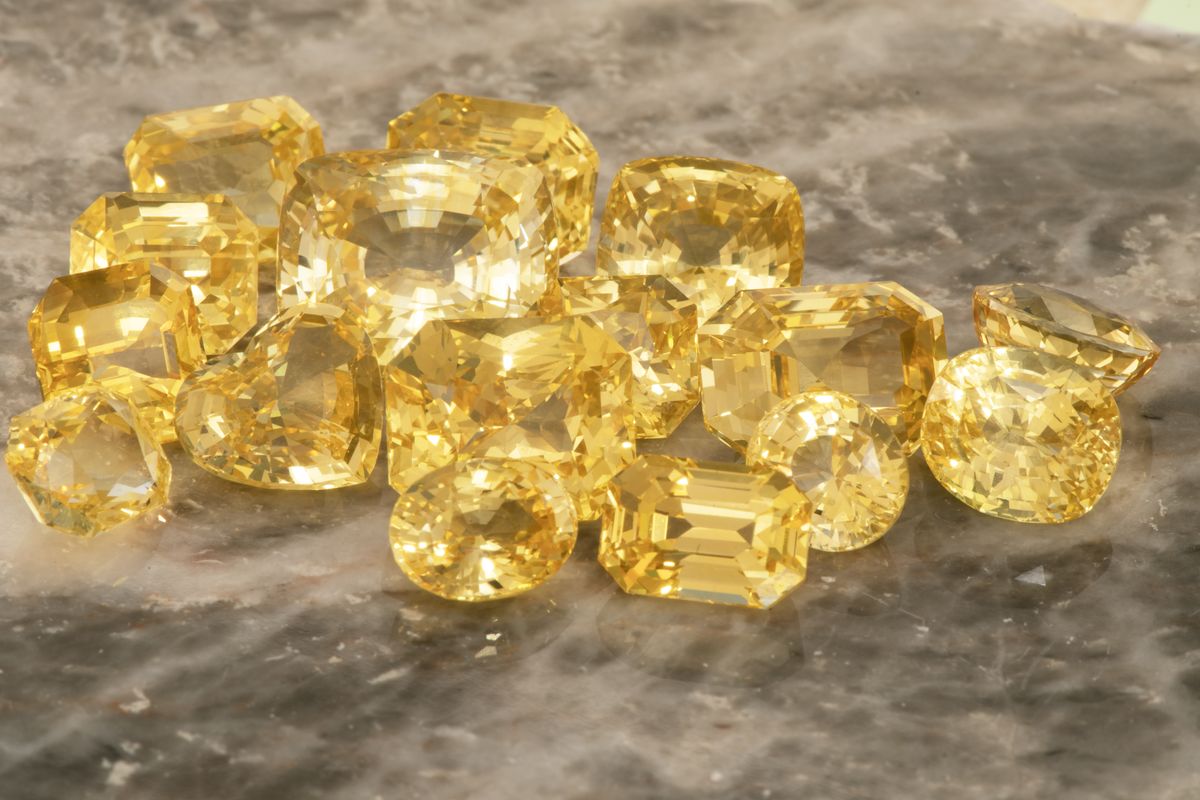
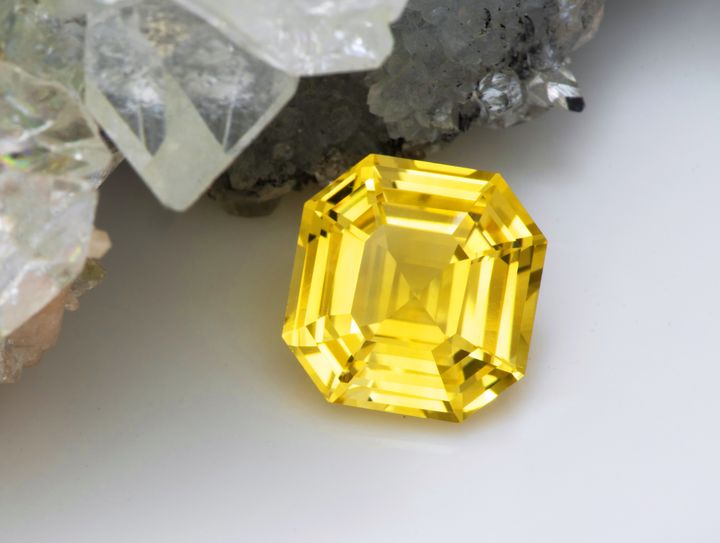
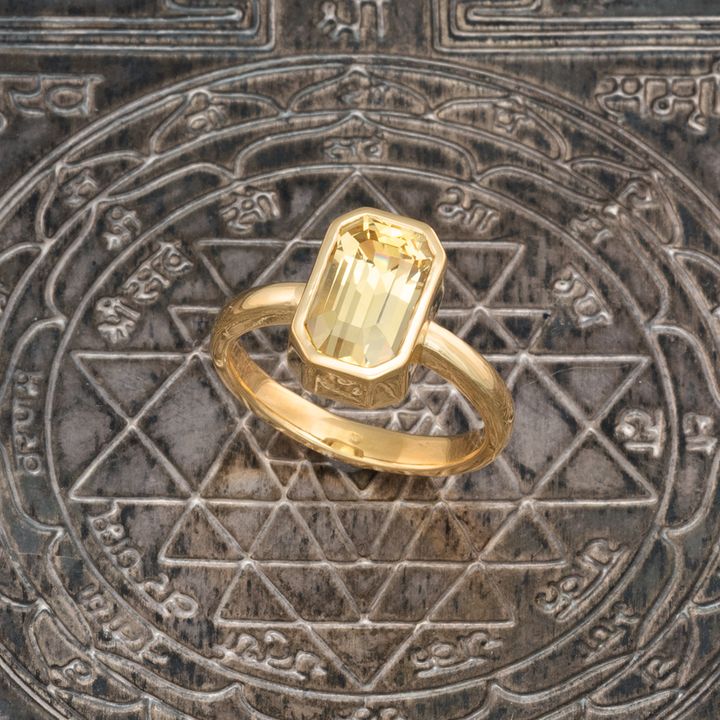
At a glance
- 1
Natural, unheated, and untreated
Must not be heated, treated, or lab grown. Treatment status should be disclosed and guaranteed.
- 2
Color, clarity, and origin
Lemon to golden yellow, not greenish or orange. VS1 or better, with no black inclusions. In our experience, Ceylon (Sri Lanka) is the industry standard.
- 3
Size and setting
At least 2 carats is ideal. Set it in gold (silver is okay on a budget) with an open back, for the index finger or as a pendant.
- 4
Buy from a Vedic Gemologist whenever possible
Not all gems work for astrology. We specialize exclusively in gemstones for Jyotish, so every stone in our shop already meets these standards.
Quick answers
What are the benefits of yellow sapphire in astrology?
It strengthens Jupiter, the planet of wisdom, prosperity, and good fortune. It’s traditionally worn to support spiritual growth, teaching, marriage, and finances, when Jupiter is a helpful planet in your chart.
Which yellow sapphire is best for astrology?
A natural, unheated, untreated yellow sapphire in lemon to golden yellow, never greenish or orange. It should be VS1 or better with no black inclusions. In our experience, Ceylon (Sri Lanka) is the standard.
Which finger do you wear yellow sapphire on?
The index finger (Jupiter’s finger), in gold with an open back. Silver works on a budget, and you can also wear it as a pendant.
How many carats of yellow sapphire should I wear?
At least 2 carats is ideal. See How Many Carats Should a Vedic Gemstone Be? for more.
What does yellow sapphire mean?
In Jyotish, yellow sapphire carries the light of Jupiter (Guru, the teacher). It’s a symbol of wisdom, generosity, and blessings.
Natural, unheated, and untreated
For Jyotish, it’s important to buy only sapphires that haven’t been heated or otherwise treated. Heat treatment can enhance a gem’s color and clarity by altering its internal characteristics. In Vedic Gemology, we consider these treatments to permanently alter the gem’s energetic properties. Avoid standard heat treatment and beryllium diffusion heat treatment. Synthetic gems are often sold as natural.
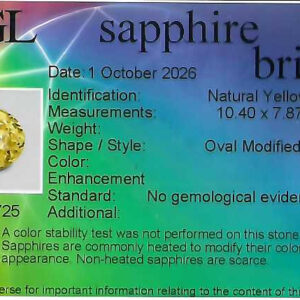
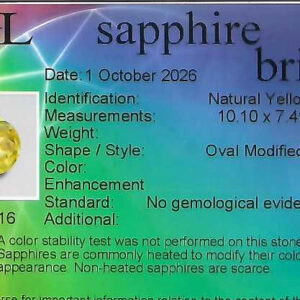
Treatment status should be clearly disclosed by any supplier. A GIA Graduate Gemologist can evaluate the stone and advise when further testing is needed. Third-party laboratory reports provide additional confirmation of its identity and any detectable treatments. Some treatments require advanced laboratory testing.
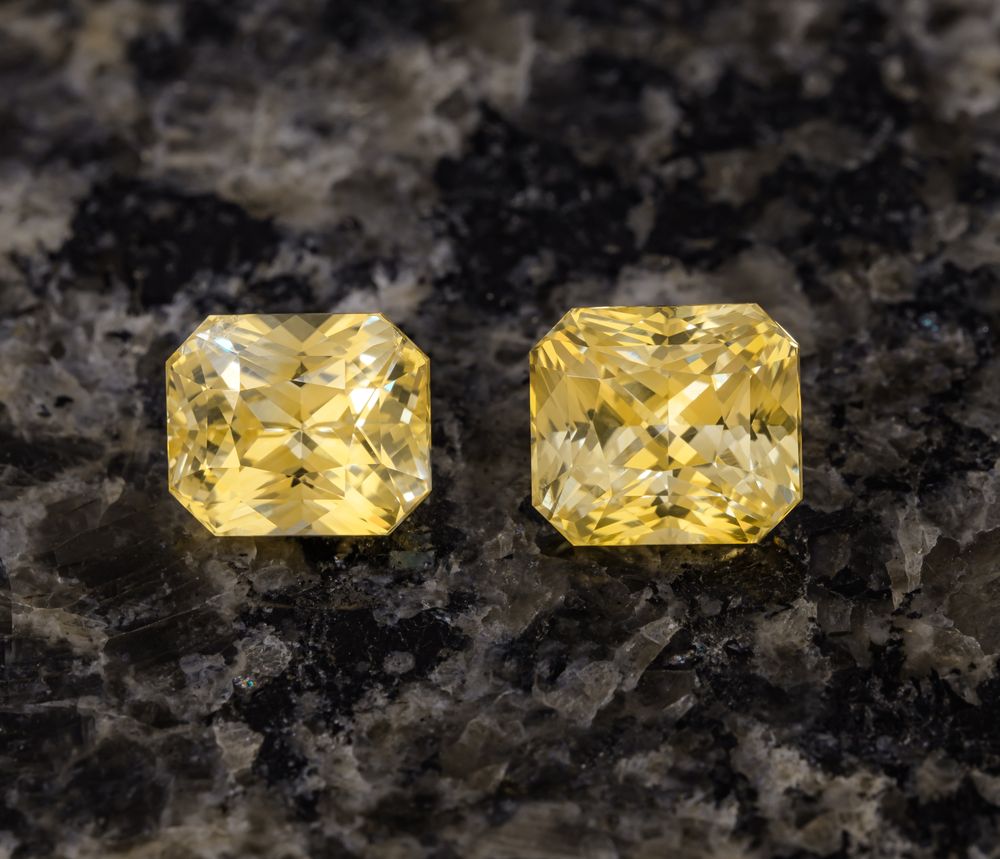
Color and clarity
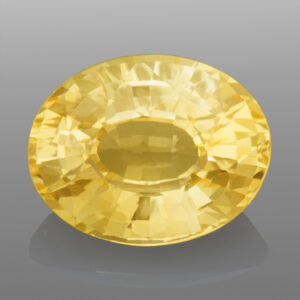
For a Jupiter gemstone, look for a pleasing lemon-yellow color, sometimes a strong, rich golden yellow. The stone should be eye-clean, though very insignificant wisps of rutile silk are also acceptable if they aren’t distracting. There shouldn’t be inclusions that block light from passing through the gem.
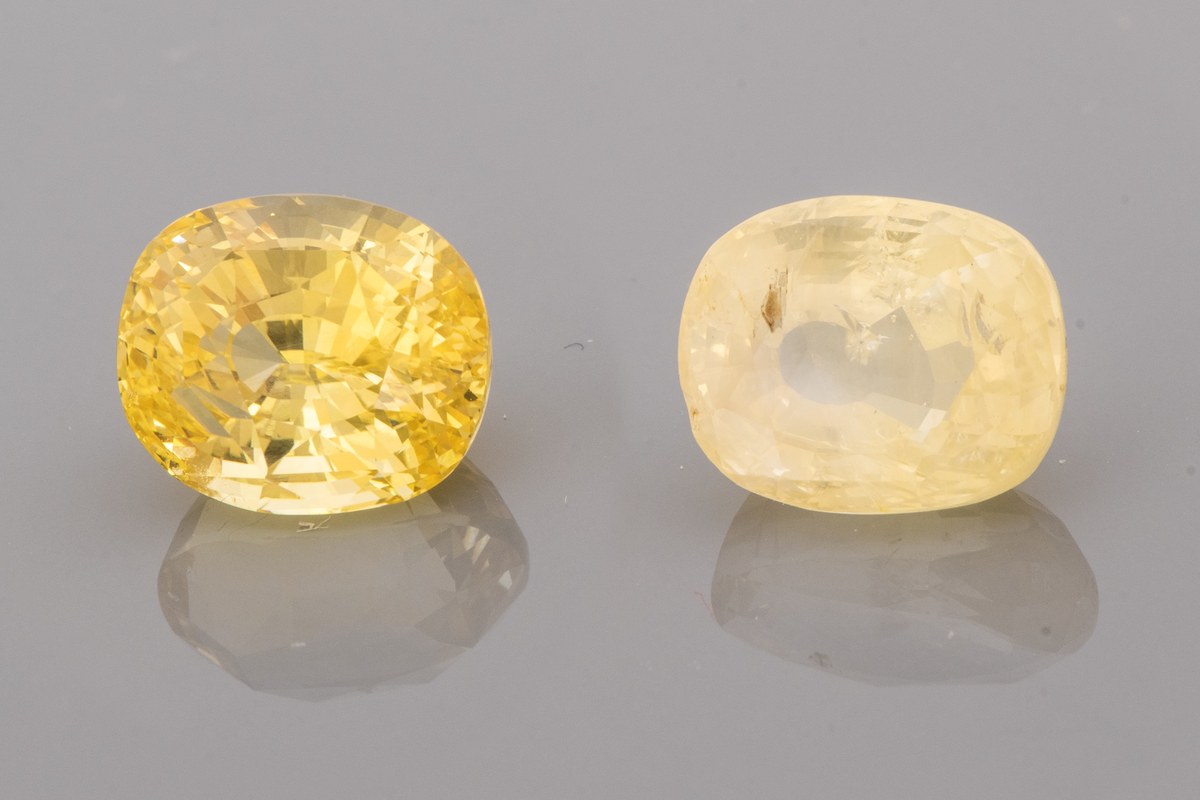
Light yellow is also acceptable, but if it’s so pale that the stone almost looks colorless, it will not have a strong enough Jupiter energy. If a sapphire is suspiciously canary yellow or orange-yellow, it can be an indicator that the stone is heated or even chemically treated to produce a false yellow color. Golden sapphires are often sold for Jupiter, but if you purchase a stone that is closer to golden-orange, you may be getting a dose of Sun energy as well.
The ideal clarity grade is Internally Flawless to VS1. VS1 is the minimum (very slight inclusions under magnification; no black inclusions). Avoid moderate to significant color zoning (colorless streaks in the stone).
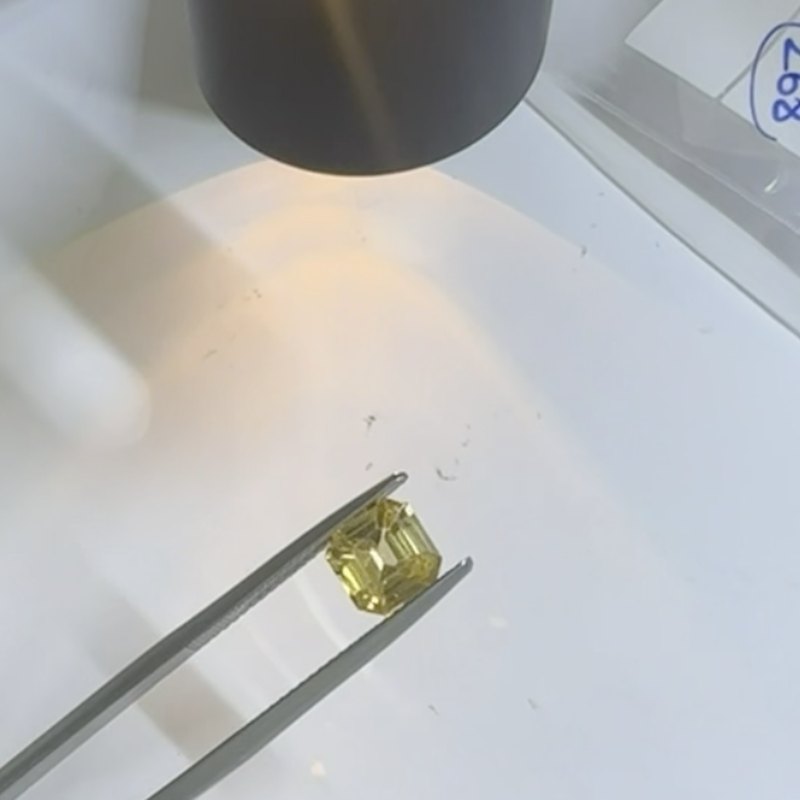
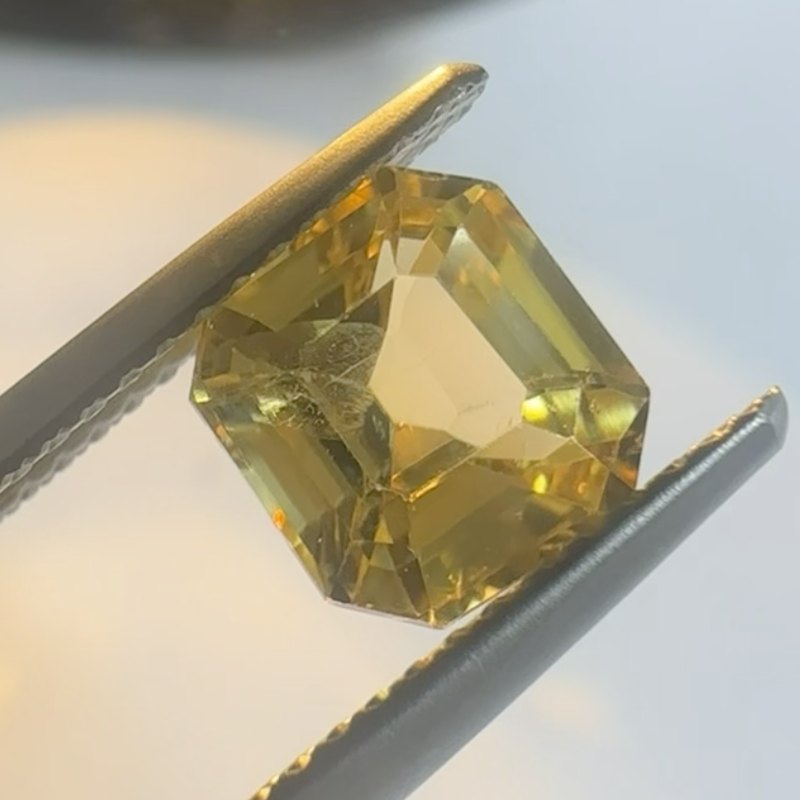
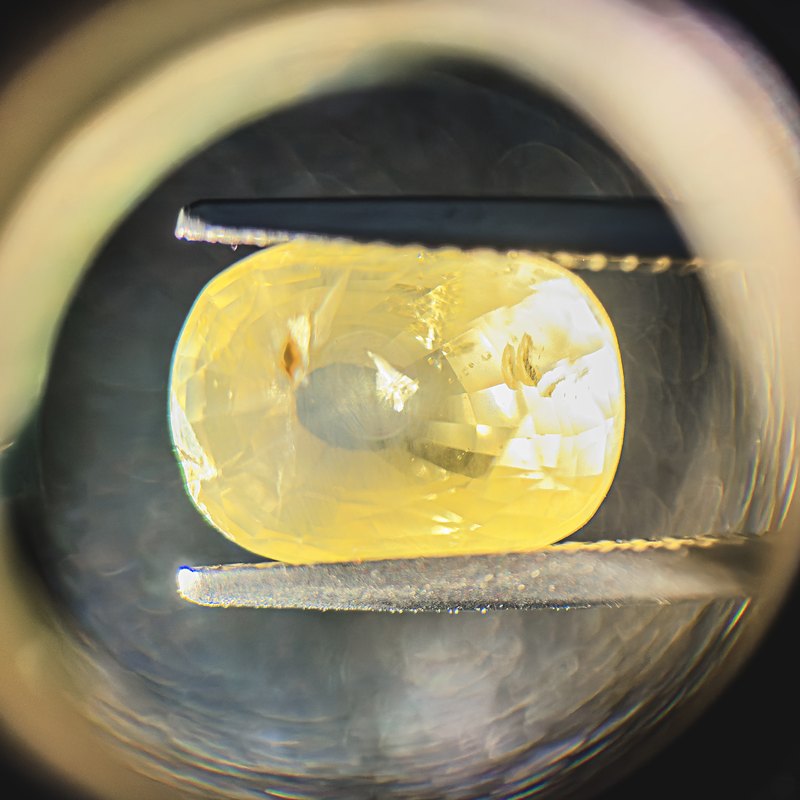
Look closely for cloudiness, crystals, cracks, or black spots. Inspect the gem under 10× magnification, or look at high-resolution photos to check for distracting inclusions. You might notice black facets in photographs. These can be reflections of the camera, especially when they’re triangular or follow the shape of other facets in the gem. A video or photographs from different angles can help distinguish reflections from inclusions.
- IFInternally Flawless
- VVS1–2Very, Very Slightly Included
- VS1Very Slightly Included
- VS1 is the minimum for Jyotish
- VS2Very Slightly Included
- SI1–2Slightly Included
- MI1–2Moderately Included
- I1–2Included
Any inclusions should be clear.
Inclusions can often only be seen under 10× magnification.
Cut and proportion
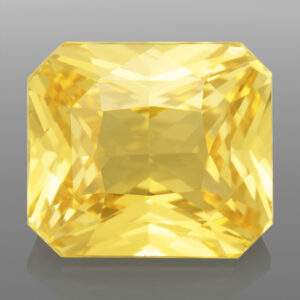
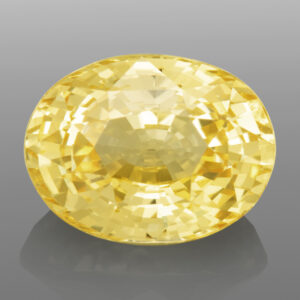
The shape of the gem is largely a matter of preference. Oval, cushion, radiant, emerald, and round are common cuts for sapphires. What’s more important is the quality of the cutting, making sure the stone is reasonably symmetrical and reflects light beautifully.
A see-through area in the middle of the gem is called a “window,” where light passes through instead of reflecting back toward you. A small window is acceptable in a natural sapphire, but it shouldn’t be overly distracting.
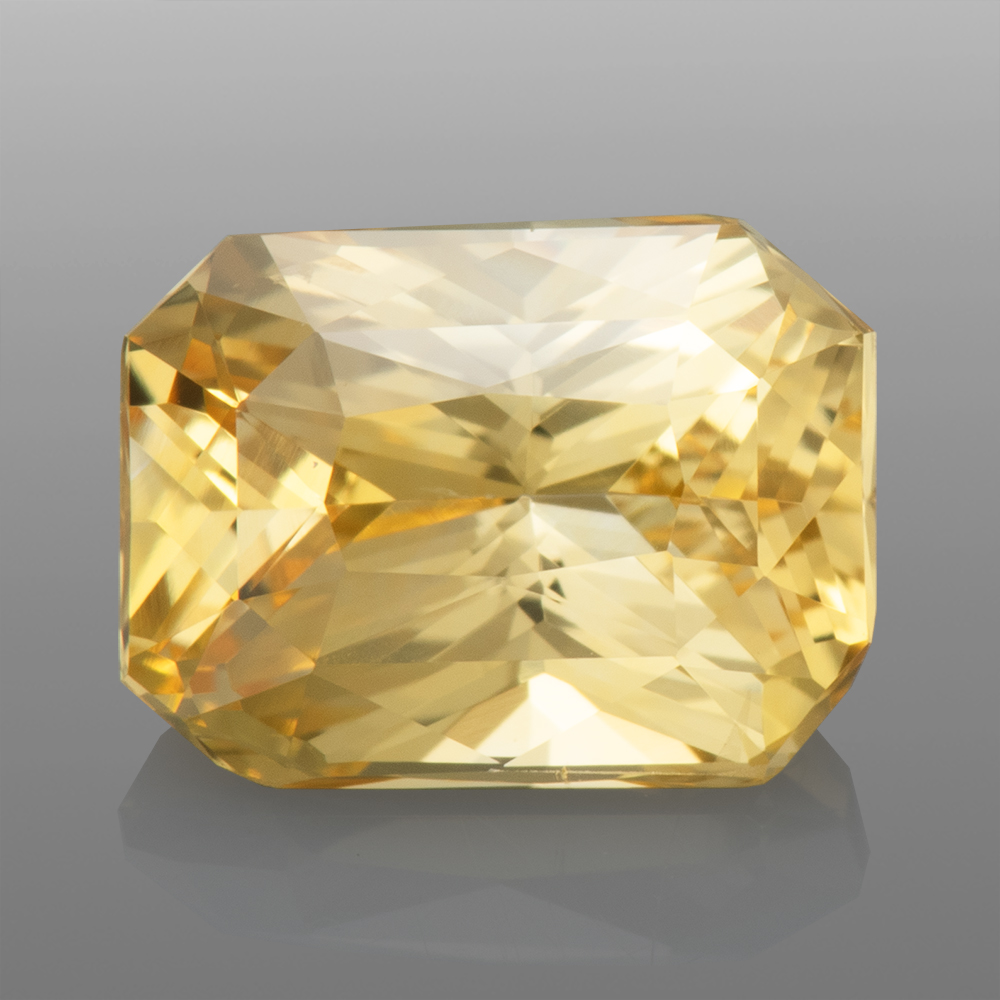
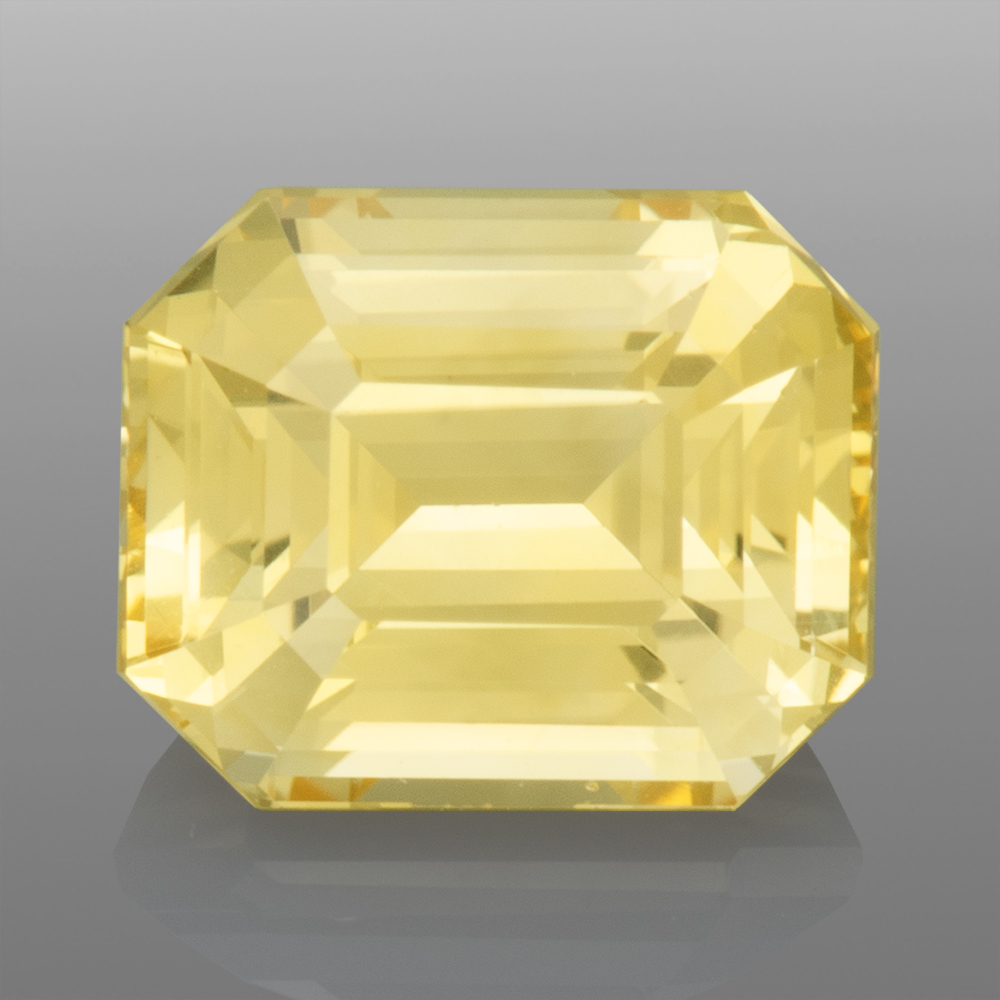
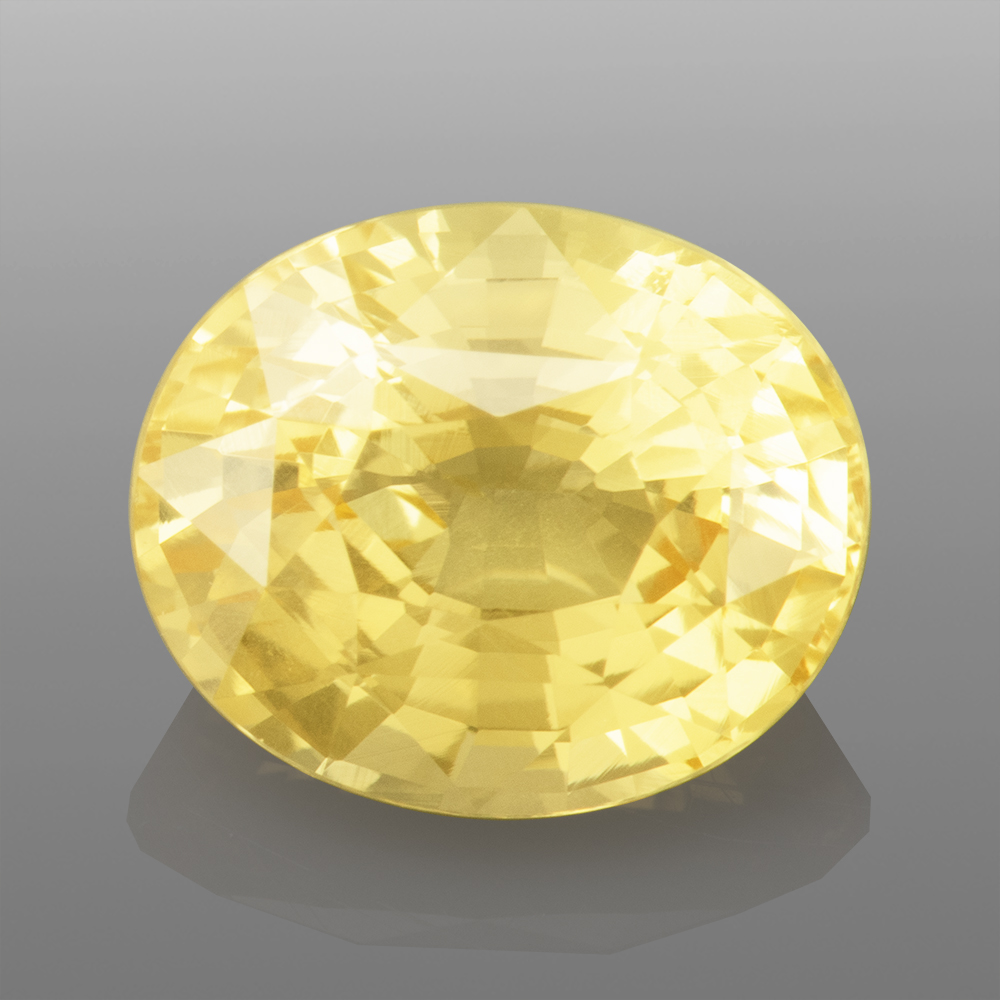
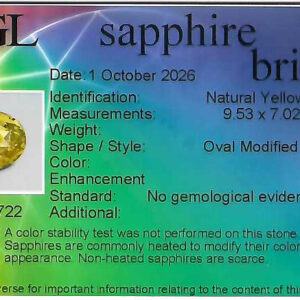
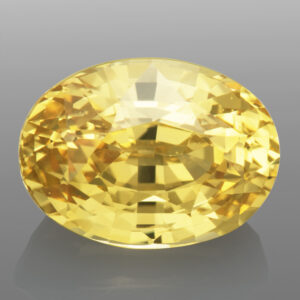
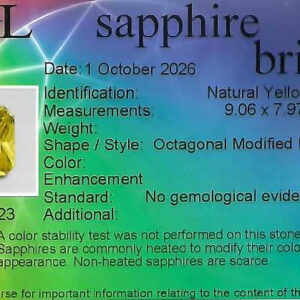
Examples from our collection, shown at the same display size.
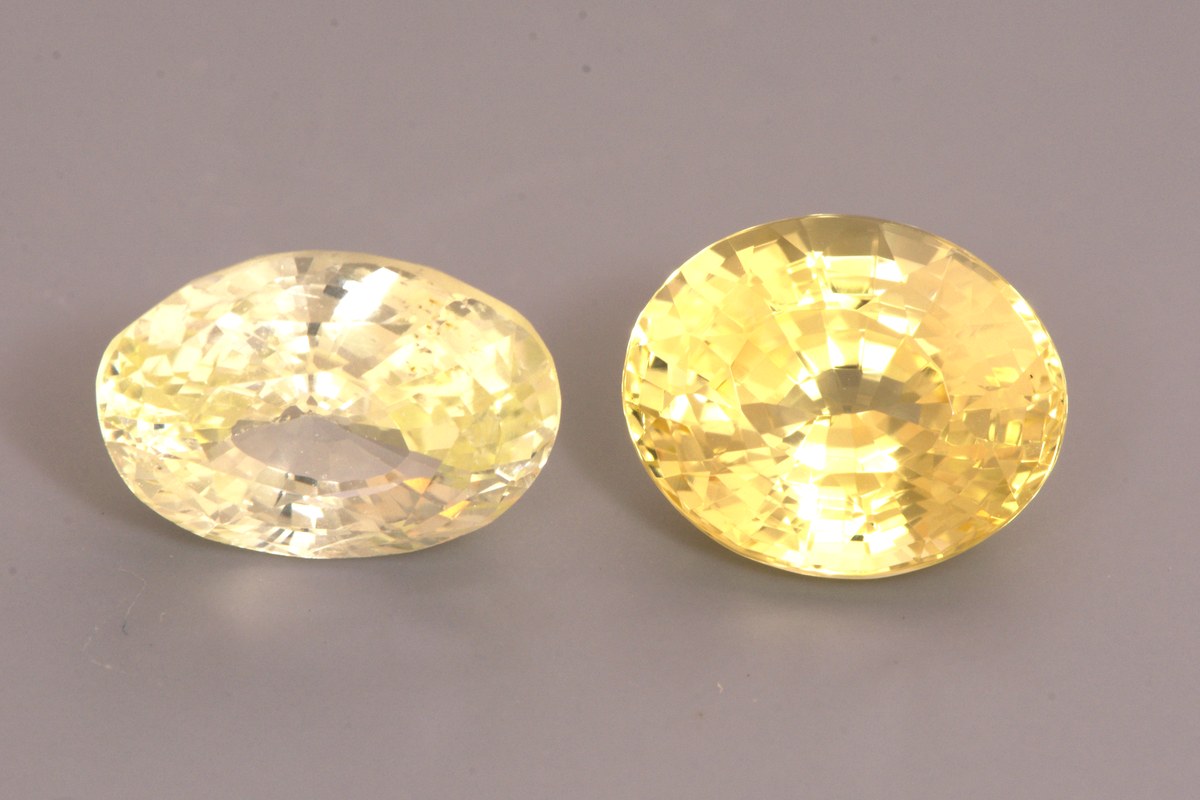
Choosing the size
We recommend at least 2 carats for yellow sapphire, though quality is always more important than size. It’s better to choose a smaller yellow sapphire with excellent clarity than a large, opaque, heavily included gem. You can read more about this in our yellow sapphire article.
Exceptional gems produce an effect as low as 1.8 carats. Larger gems will be more powerful if stones of equal quality are being compared.
Ceylon and other origins
Sri Lanka, formerly known as Ceylon, is the industry standard for the best quality yellow sapphires. That said, the full range of quality can come from Sri Lanka, so the stone still needs to be assessed individually. In our experience, origin doesn’t determine astrological power. Some stones from other countries still work but need to be the right color and clarity.
Setting your sapphire
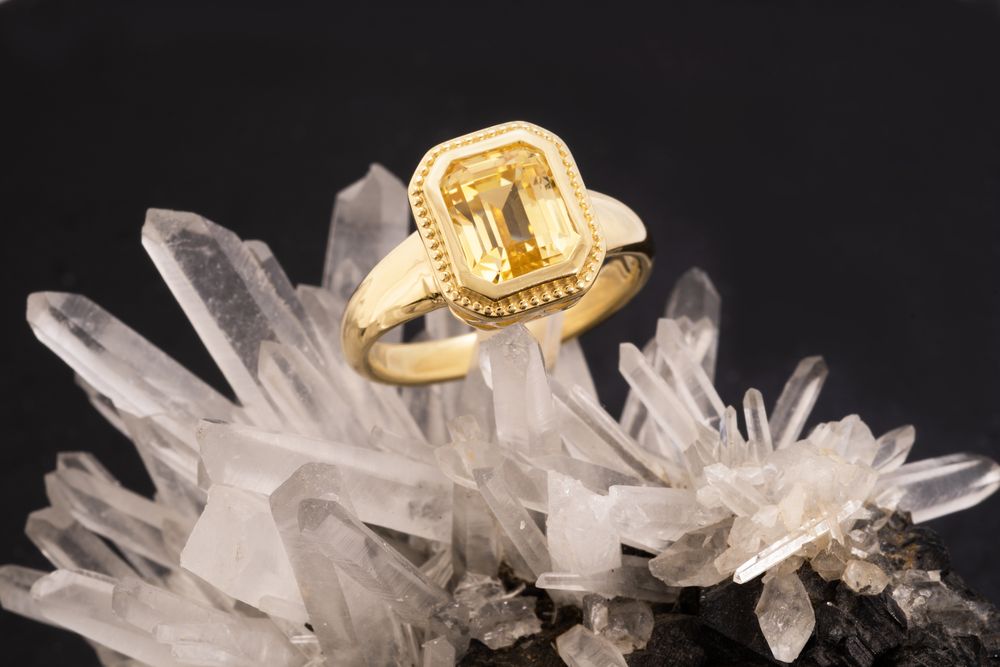
Choose the sapphire first, then have the setting made to fit it. For Vedic jewelry, the back stays open so the underside of the gem can lightly touch the skin. Gold is traditional for Jupiter, and the index finger is the traditional finger for a yellow sapphire ring. A ring or pendant can work well, so choose something you’ll enjoy wearing regularly.
Browse our yellow sapphire collection
Astrological Gem specializes in carrying only the finest quality gems for Jyotish. Our selection is limited for a reason: very few gems possess both the quality we require and the competitive price point we insist on.
Before you buy
It’s best to buy from a qualified Vedic Gemologist who understands quality criteria and inclusions. The right source will have done most of your homework for you.
Once you’re clear on the quality of the sapphire, you can follow your judgment and intuition about which gem would be best for you.
Astrological Gem specializes in carrying only the finest quality gems for Jyotish. Our selection is limited for a reason: very few gems possess both the quality we require and the competitive price point we insist on.
Further reading: What makes a gemstone Jyotish quality? · GIA’s research on yellow sapphire and treatment.