

Gem buying guide
Blue Sapphire Buying Guide
Shop Jyotish gemstones like an expert with our Buying Guides.
Blue sapphire is the primary planetary gemstone for Saturn in Vedic Astrology (Jyotish).
It’s commonly worn for astrology to support focus, discipline, and structure. But not all blue sapphires work for astrology, so it’s very important to learn which ones will and why.
Start with your chart: find out what strengthening Saturn would support in your birth chart before you buy a blue sapphire. Our free gem report is a good place to begin.
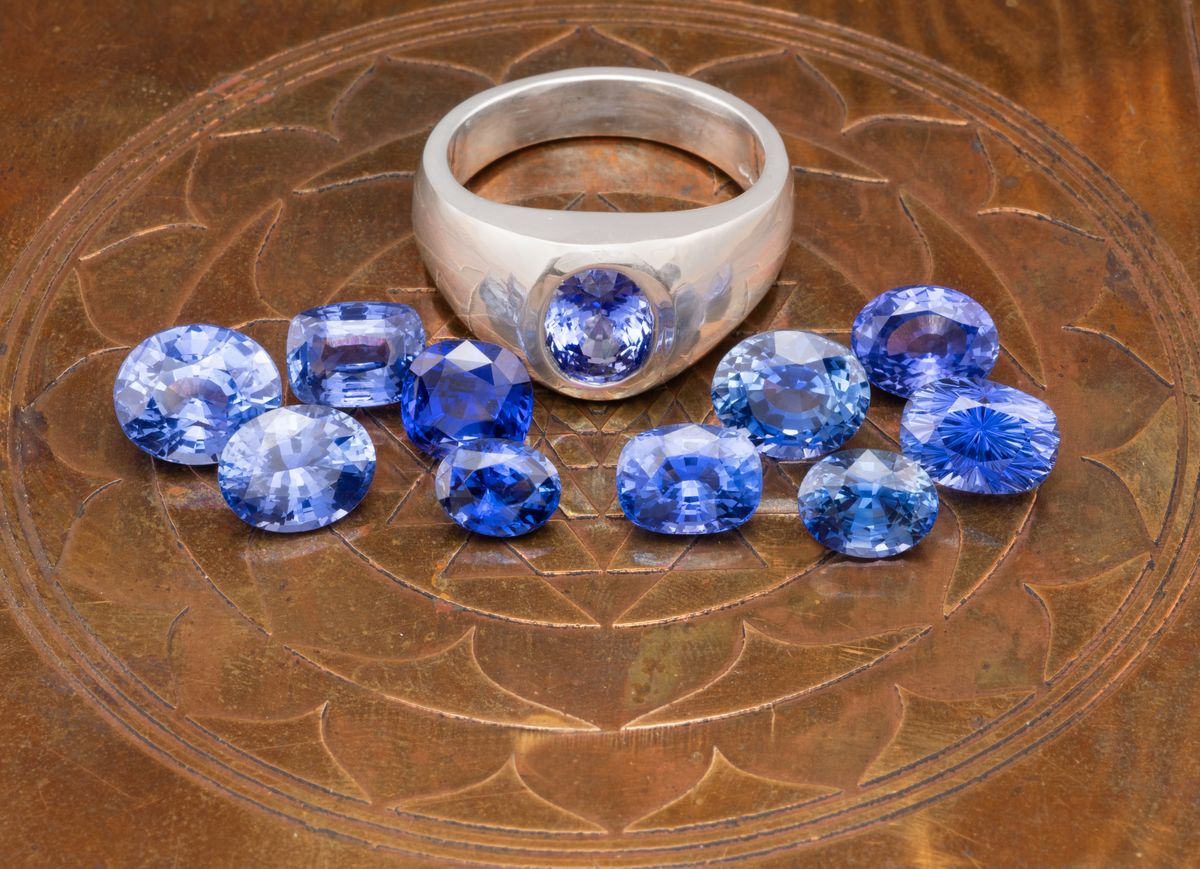
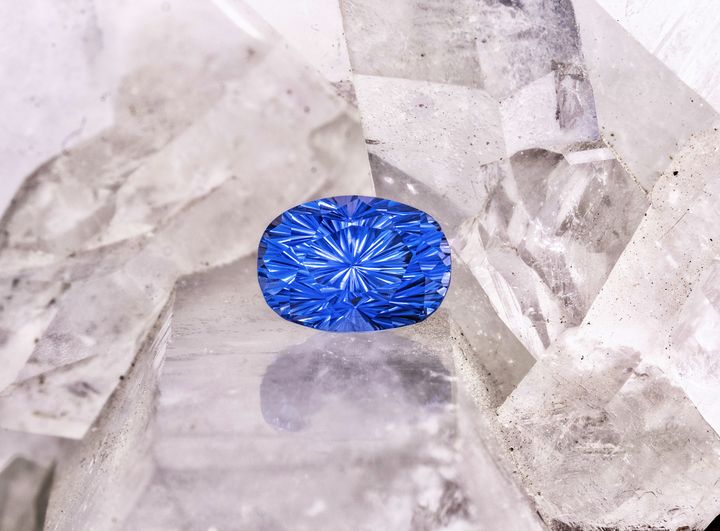
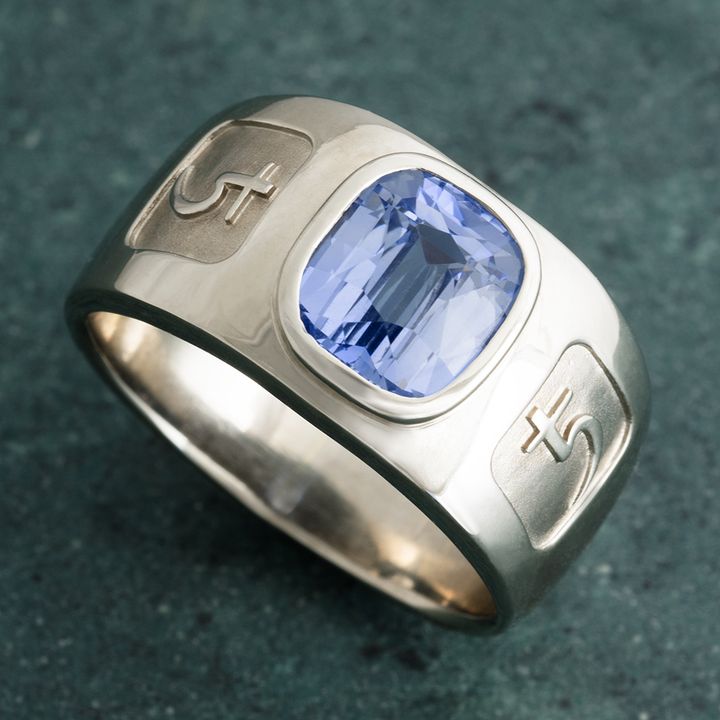
At a glance
- 1
Natural, unheated, and untreated
Must not be heated, treated, or lab grown. Treatment status should be disclosed and guaranteed.
- 2
Color, clarity, and cut
Look for an open, lively blue that never looks nearly black, VS1 clarity or better, and a cut that stays bright.
- 3
Size and setting
Around 2 carats or more is ideal. Set it in silver, white gold, or platinum with an open back, for the middle finger or as a pendant.
- 4
Buy from a Vedic Gemologist whenever possible
Not all gems work for astrology. We specialize exclusively in gemstones for Jyotish, so every stone in our shop already meets these standards.
Natural, unheated, and untreated
For Jyotish, we recommend only natural blue sapphires that haven’t been heated or otherwise treated. Heat and diffusion treatments can alter a sapphire’s color. For Jyotish, we select gems whose color and internal characteristics haven’t been changed by these processes.
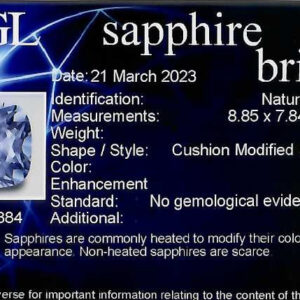
Treatment status should be clearly disclosed. A qualified gemologist can evaluate the stone and advise when laboratory testing is needed. An independent report can confirm its identity and identify detectable treatments. Fine rutile silk can help a gemologist assess treatment, but seeing silk in a photograph doesn’t establish that a sapphire is unheated.
Color and clarity
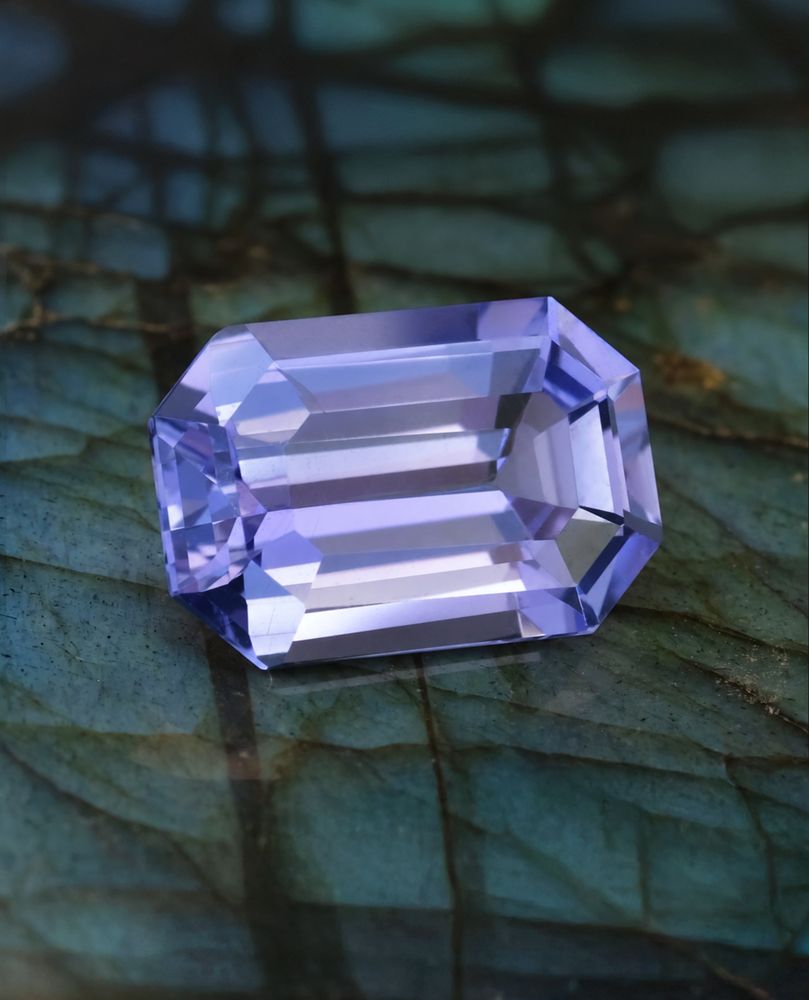
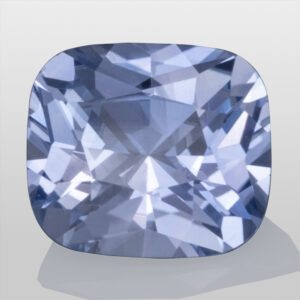
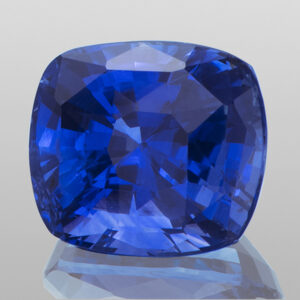
Look for a pleasing, open blue that stays lively in ordinary light. “Cornflower blue” is a trade description, often used for blue sapphires with a slight violet undertone. Judge the actual stone rather than relying on the name. It shouldn’t be so dark that it looks nearly black.
For our Jyotish selections, a lighter blue can also be appropriate when the stone is clear and beautifully cut. If you choose a light blue sapphire, larger stones are better. A high price for a particular shade doesn’t automatically make it the right sapphire for you.
The gem should be as close to eye-clean as possible. Very fine, unobtrusive silk can be acceptable. Look closely for distracting crystals, cracks, cloudiness, and strong color zoning. Photographs from different angles and a video can help you see whether a dark area is a reflection or something within the gem.
The ideal clarity grade is Internally Flawless to VS1. Avoid anything below VS1, and avoid black inclusions.
- IFInternally Flawless
- VVS1–2Very, Very Slightly Included
- VS1Very Slightly Included
- VS1 is the minimum for Jyotish
- VS2Very Slightly Included
- SI1–2Slightly Included
- MI1–2Moderately Included
- I1–2Included
Any inclusions should be clear.
Cut and proportion
Oval, cushion, emerald, and round are all useful choices. The shape is largely a matter of preference. What matters more is good symmetry and lively light reflection, without large areas that stay dark as the stone moves.
A see-through area in the center is called a “window.” A small window can be acceptable in a natural sapphire, but it shouldn’t dominate the appearance. Look at how the whole stone performs instead of judging a single still photograph.
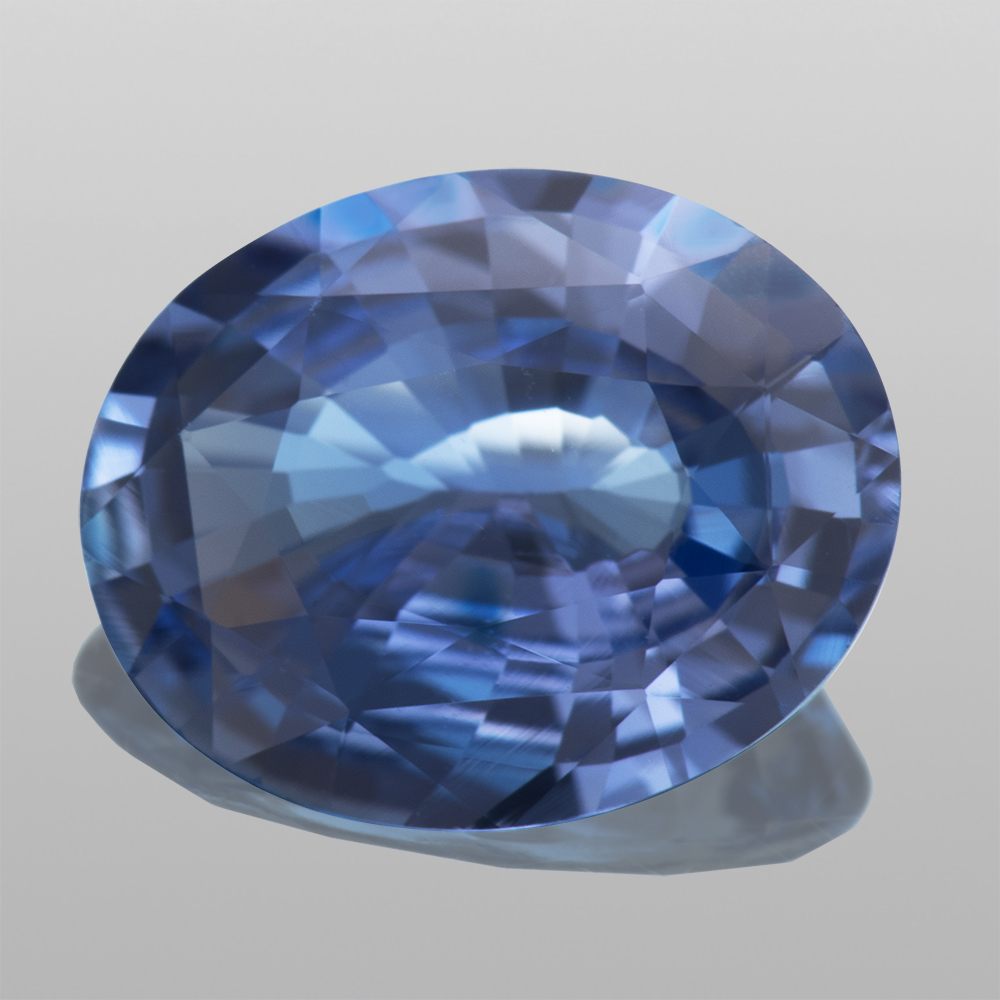
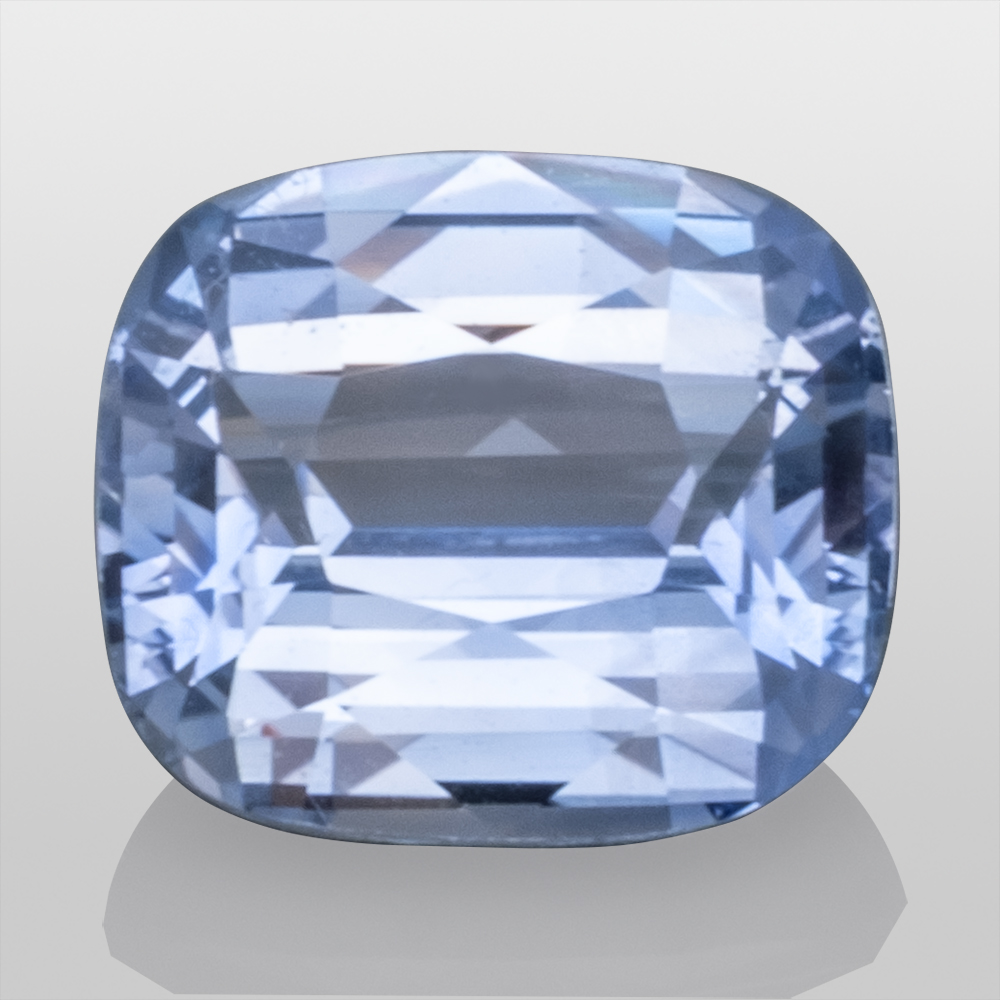
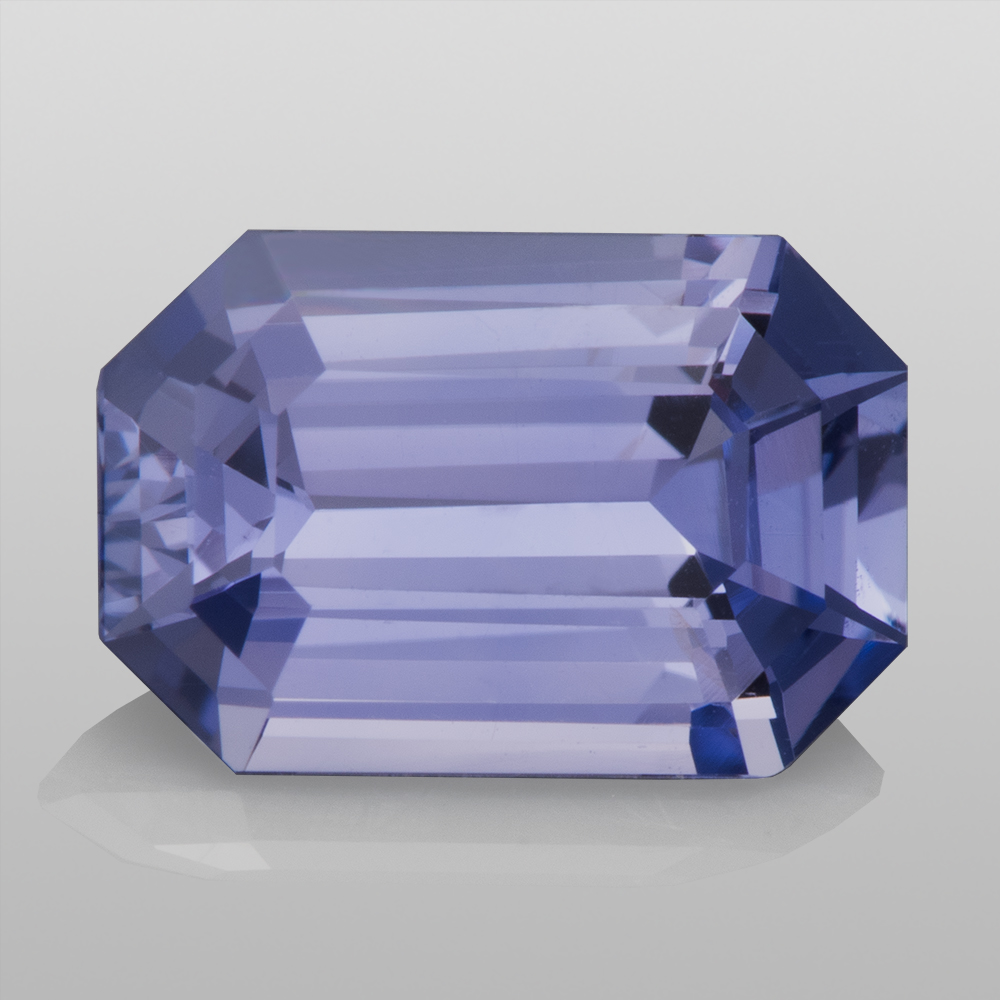
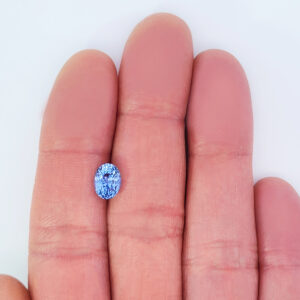
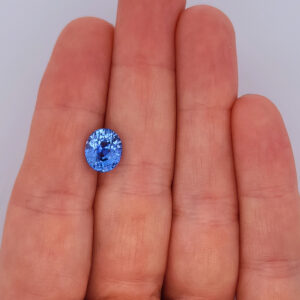
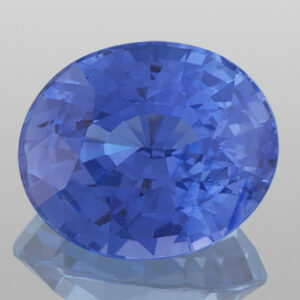
Examples from our collection, shown at the same display size.
Choosing the size
We generally recommend around 2 carats or more for blue sapphire, with some flexibility for an exceptionally fine smaller stone. A 1.8 carat sapphire will still work for Jyotish if it’s ideal quality. Three carats is very sufficient, and four carats is more than sufficient for most people. Quality comes first. A clear, bright sapphire is a better choice than a larger gem that’s dark, cloudy, or heavily included.
If a fine blue sapphire is outside your budget, blue spinel or amethyst could be worth considering. These are secondary Saturn gemstones for Jyotish, and their size recommendations differ. Blue spinel can be worn in the 2 to 3 carat size range for effect. Amethyst should be a minimum of 8 to 20 carats for tangible Jyotish results. Read our secondary gemstone guide for more about choosing an alternative.
Ceylon and other origins
Sri Lanka, formerly known as Ceylon, is a well-established source of fine blue sapphires. Other origins can also produce beautiful material. Each source yields a range of qualities, so evaluate the individual sapphire for its color, clarity, treatment status, and cutting. Origin alone doesn’t establish its quality.
Setting your sapphire
For Jyotish, silver, white gold, or platinum are good choices for a Saturn setting. The middle finger is traditional for a blue sapphire ring, and a pendant is another option. Have the setting made to fit the stone, with an open back that allows the underside to lightly touch the skin.
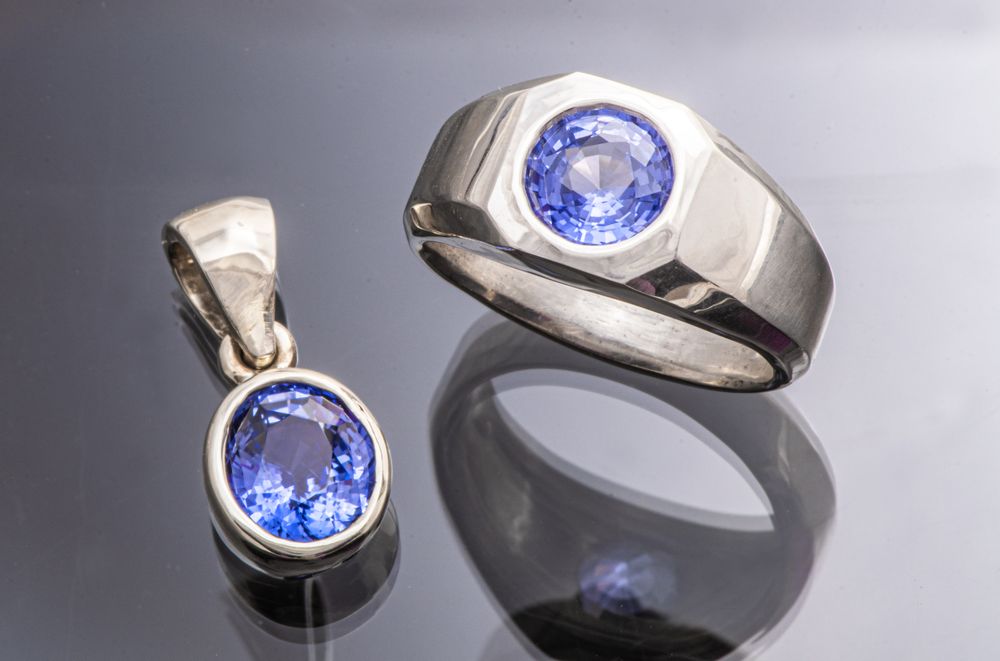
Browse our blue sapphire collection
Astrological Gem specializes in carrying only the finest quality gems for Jyotish. Our selection is limited for a reason: very few gems possess both the quality we require and the competitive price point we insist on.


Before you buy
It’s best to buy from a qualified Vedic Gemologist who understands quality criteria and inclusions. The right source will have done most of your homework for you.
Once the quality is clear and the recommendation is right for your chart, choose a sapphire you’ll enjoy wearing.
Astrological Gem specializes in carrying only the finest quality gems for Jyotish. Our selection is limited for a reason: very few gems possess both the quality we require and the competitive price point we insist on.
Further reading: Our article on blue sapphire and Saturn · GIA’s sapphire buying guide.