

Gem buying guide
Emerald Buying Guide
Shop Jyotish gemstones like an expert with our Buying Guides.
Emerald is the primary planetary gemstone for Mercury in Vedic Astrology (Jyotish).
It’s commonly worn for astrology to support clear thinking, communication, and learning. But not all emeralds work for astrology, so it’s very important to educate yourself on which gems will work and why.
Choosing an emerald starts with your chart, not the stone: learn what strengthening Mercury would support in your birth chart. Our free gem report can help you get started.
At a glance
- 1
Color and clarity
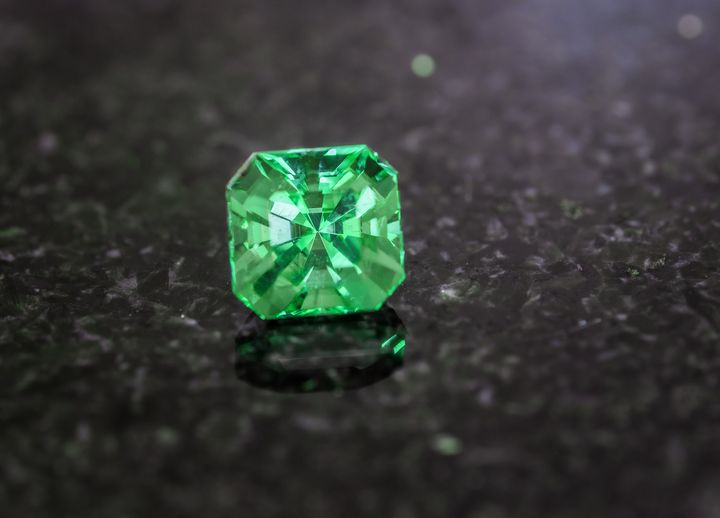
Choose a lively green or slightly bluish green, as flawless as possible for its type, with no risky fissures or black inclusions.
- 2
Oiling and other treatments
Most emeralds are oiled for stability. This is acceptable for Jyotish as it doesn’t change the chemical structure of the stone. Unoiled emeralds are very rare and very expensive.
- 3
Size and setting
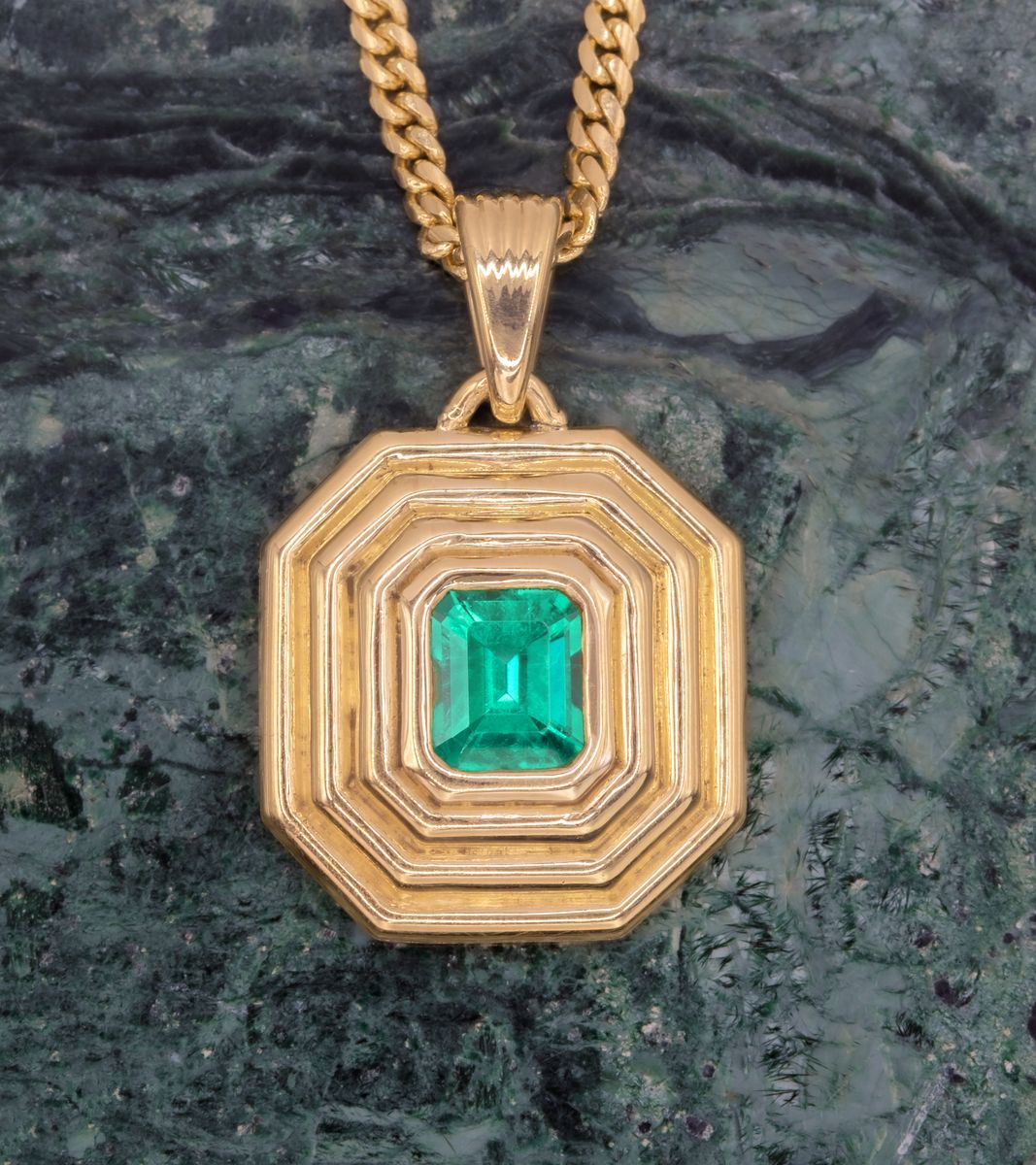
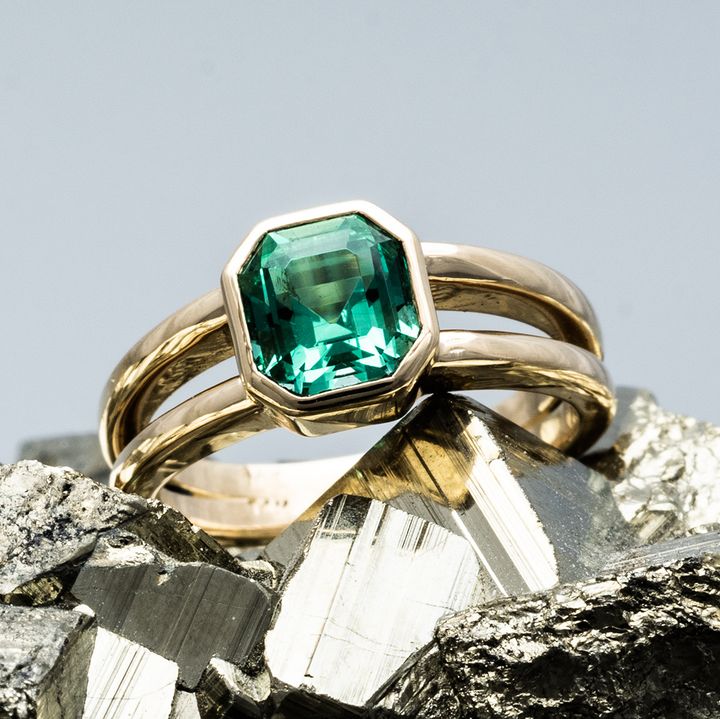
Two carats or more is ideal. Set it in gold for the little or ring finger, or as a pendant, and never use an ultrasonic cleaner.
- 4
Buy from a Vedic Gemologist whenever possible
Not all gems work for astrology. We specialize exclusively in gemstones for Jyotish, so every stone in our shop already meets these standards.
Color and clarity
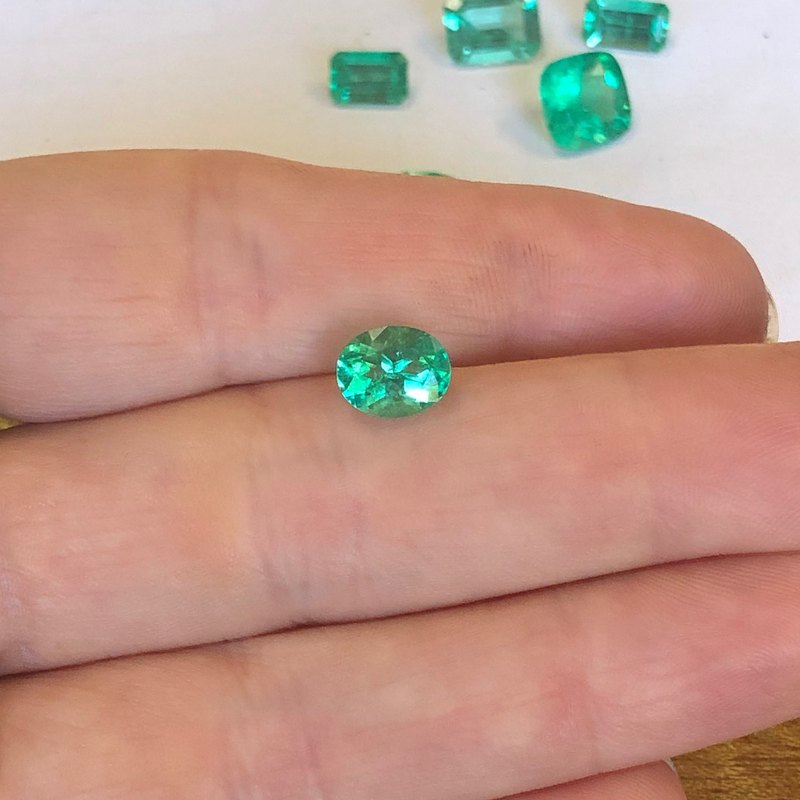
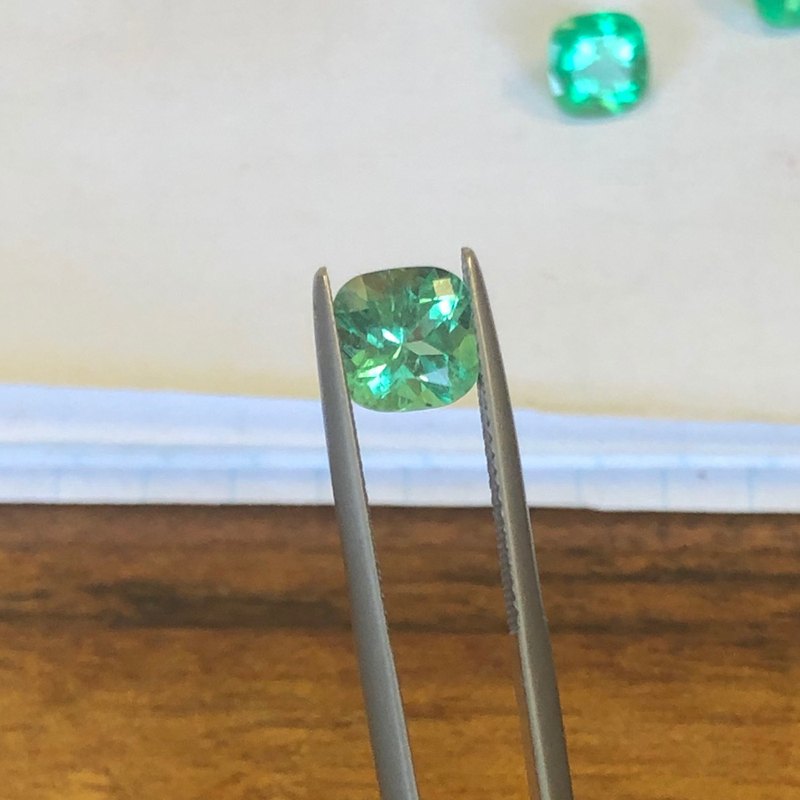
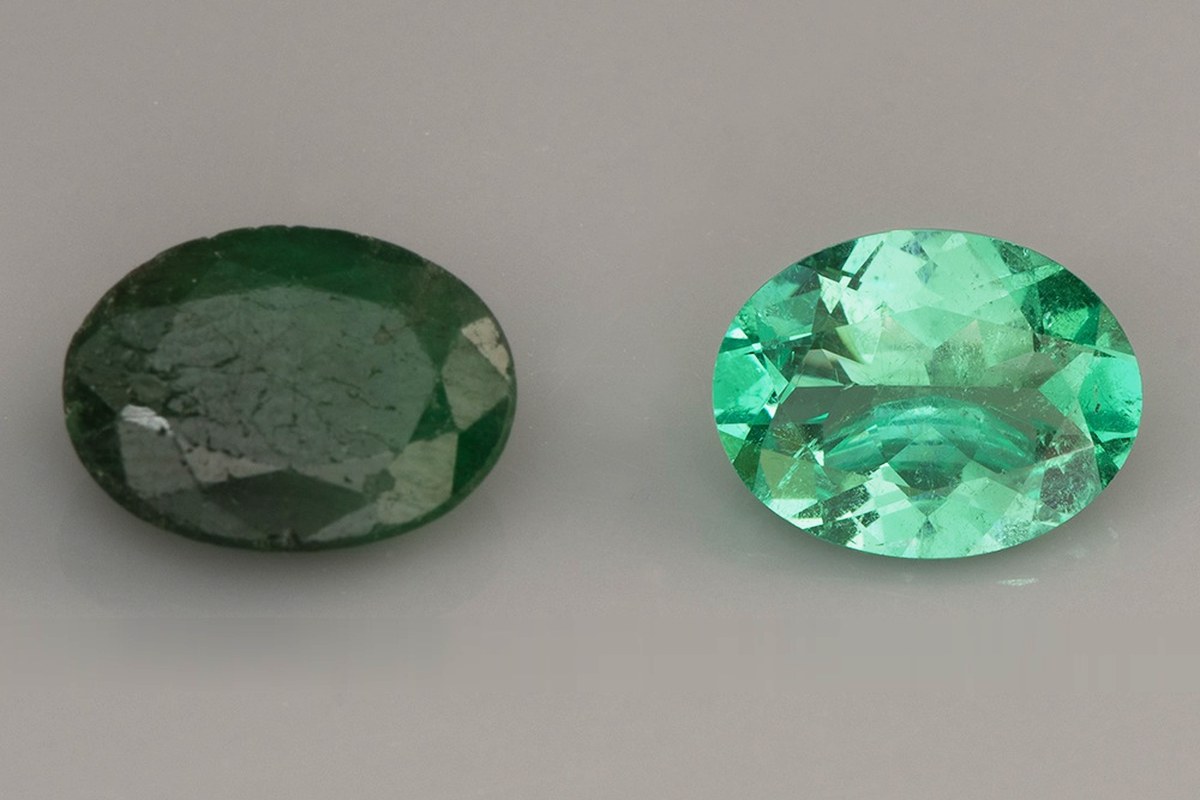
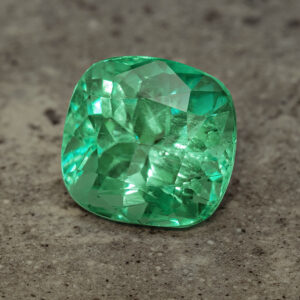
Look for a pleasing green to slightly bluish-green color, with a very high degree of clarity. Richly colored emeralds can be beautiful, but a deeper color shouldn’t come at the expense of a bright, clear appearance.
We also use lighter, mint-green emeralds for Jyotish. A lighter stone with excellent clarity can be a better choice than a dark, heavily included one. Compare the individual gems rather than assuming the deepest green is always best.
Understanding emerald inclusions
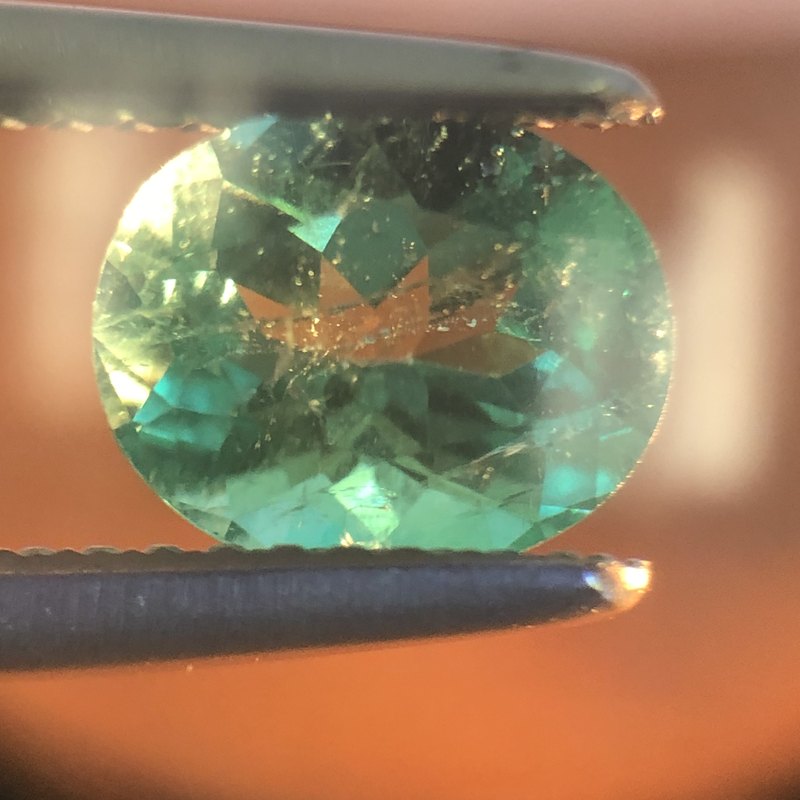
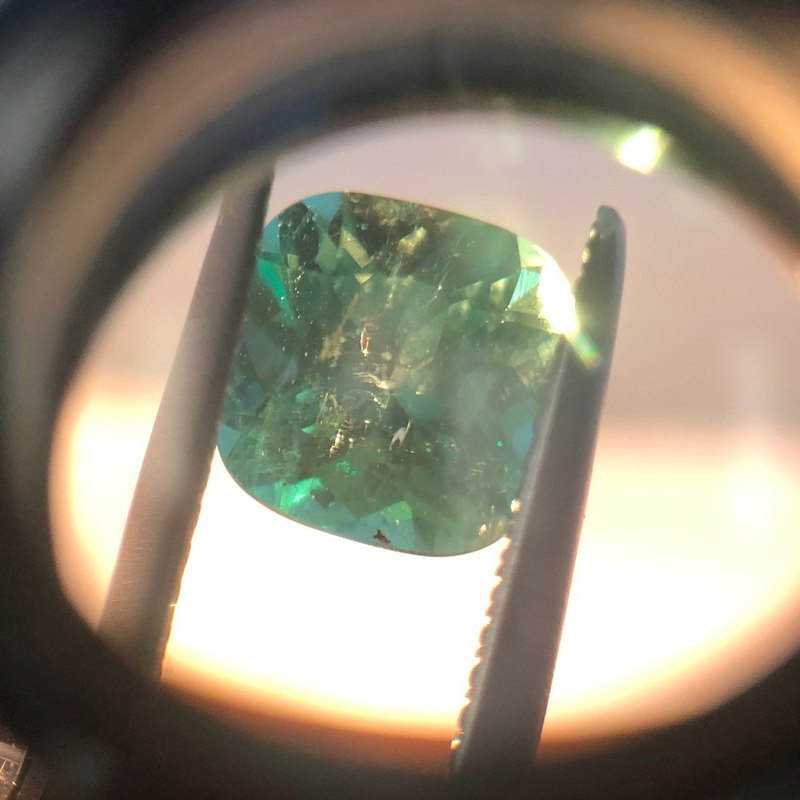
Emeralds naturally contain inclusions, often called jardin, or garden. Eye-clean stones are very rare. For Jyotish, we look for emeralds that are as flawless as possible for their type. Tiny crystals and fine internal features can be acceptable when they aren’t distracting.
The location of a fissure matters. A small fracture near a vulnerable corner can be more concerning than a visible inclusion safely inside the stone. Have an experienced gemologist evaluate both clarity and structural stability, especially for a ring.
Our photographs show emeralds at high magnification, so a tiny feature can look much larger than it does in your hand. Use the close-ups to understand the stone’s characteristics, then consider how it looks at its actual size. Emeralds can also be camera-shy. In photographs, they might appear less vibrant green than they truly are.
Emeralds always have some inclusions. It’s important that they’ve been inspected under magnification to ensure astrological quality.
Oiling and other treatments
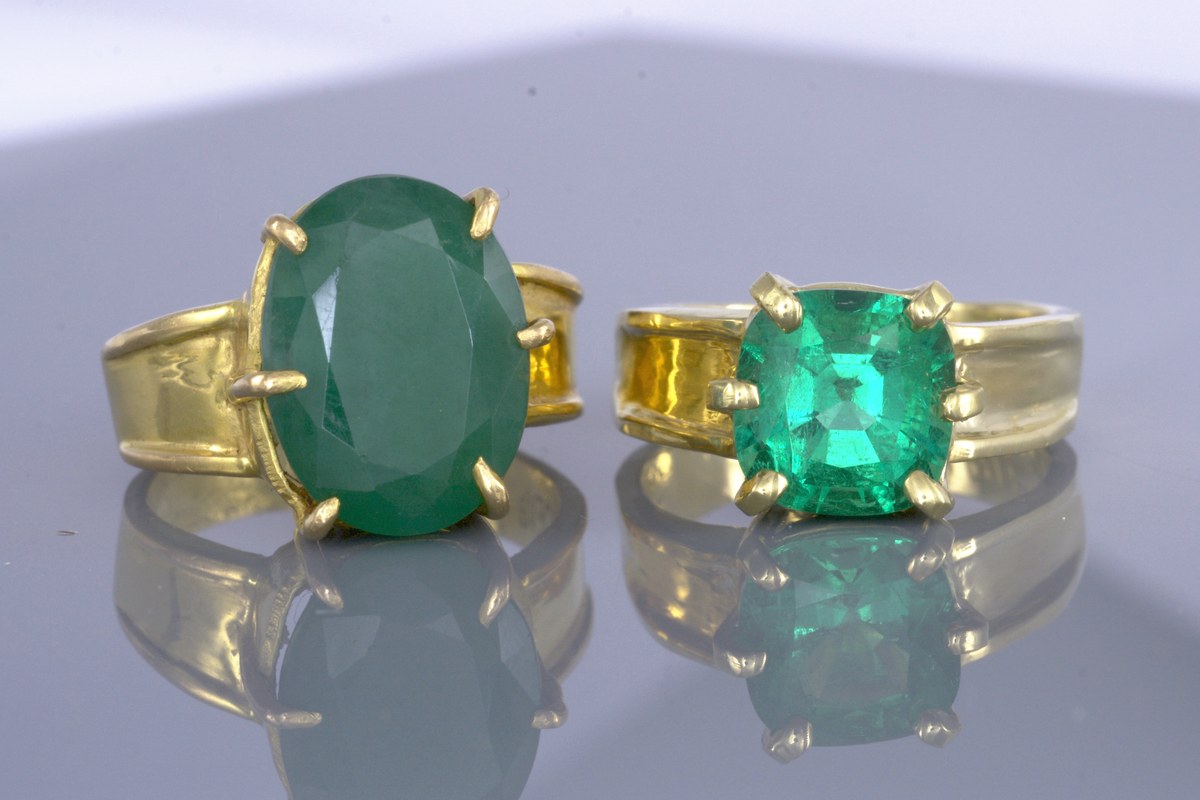
Emeralds are often treated with oil or other fillers to make surface-reaching fissures less visible. Minor colorless oiling is acceptable for Jyotish when the emerald has a very high degree of clarity on its own and is structurally sound. You don’t need to insist on an unoiled stone at the expense of its overall quality.
The supplier should clearly explain the type and degree of clarity enhancement. Avoid heavily filled stones and undisclosed treatments. An independent laboratory report can document detectable clarity enhancement, but it doesn’t replace an assessment of the stone’s condition. A beautiful surface appearance alone won’t tell you how much filling is present.
Cut and proportion
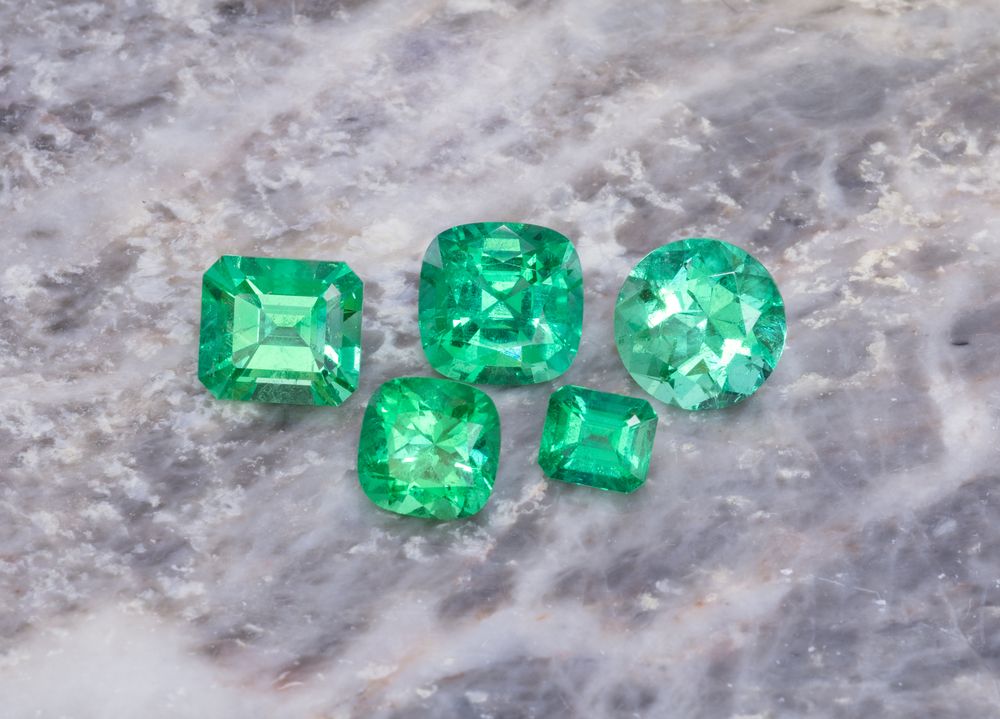
Emerald, oval, pear, cushion, and round cuts can all be attractive. Look for good symmetry and an even, lively appearance. The familiar rectangular emerald cut has cut-off corners that help protect the stone’s more vulnerable points.
A large see-through area in the middle is called a window. Some windowing is common in natural colored stones, but it shouldn’t be so distracting that it takes over the face of the emerald.


Examples from our collection, shown at the same display size. Enlarged photographs reveal natural features that can be less noticeable at actual size.
Choosing the size
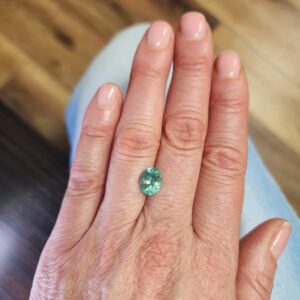
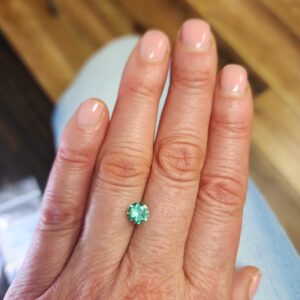
We generally recommend 2 carats or more for emerald, though an exceptionally clean stone with strong color can be worth considering at around 1 carat. As with other Jyotish gems, quality comes before size. A larger, opaque emerald won’t meet the same selection criteria as a smaller one with a very high degree of clarity.
Setting and caring for your emerald
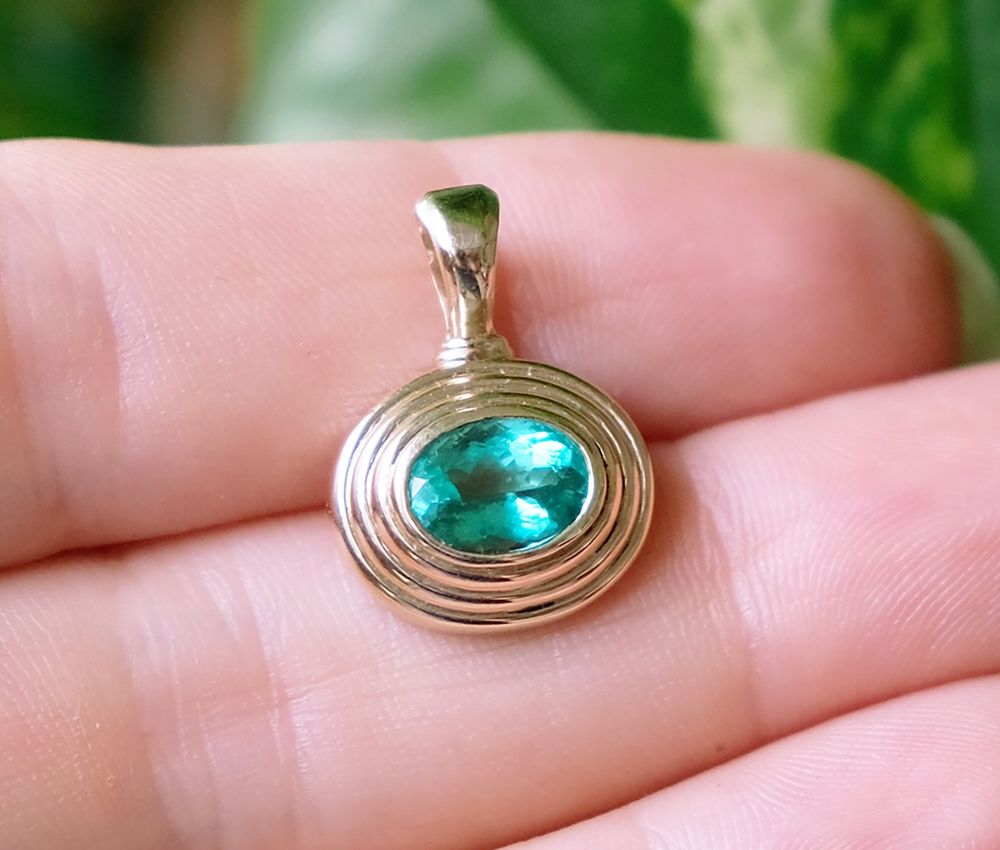
Gold is traditional for Mercury, and the little finger is the traditional finger for an emerald ring. Many of our customers wear emeralds on their ring finger because it is safer for them. A pendant is often a practical choice because it receives fewer knocks. For Vedic jewelry, leave the back open so the underside can lightly touch the skin.
Emerald needs more care than ruby or sapphire. A ring setting should protect its edges and corners. Avoid ultrasonic and steam cleaners; use lukewarm, soapy water and a soft brush, and protect the stone from hard impacts.
Browse our emerald collection
Astrological Gem specializes in carrying only the finest quality gems for Jyotish. Our selection is limited for a reason: very few gems possess both the quality we require and the competitive price point we insist on.




Before you buy
It’s best to buy from a qualified Vedic Gemologist who understands quality criteria and inclusions. The right source will have done most of your homework for you.
Once the quality and stability are clear, choose a color and shape you’ll enjoy wearing.
Astrological Gem specializes in carrying only the finest quality gems for Jyotish. Our selection is limited for a reason: very few gems possess both the quality we require and the competitive price point we insist on.
Further reading: Understanding emeralds · GIA’s emerald quality guide · Caring for emerald.