
Gem buying guide
Hessonite Buying Guide
Shop Jyotish gemstones like an expert with our Buying Guides.
Hessonite, called gomed in India, is the primary planetary gemstone for Rahu in Vedic Astrology (Jyotish).
It’s commonly worn for astrology to support focus, steadiness, and clear judgment. But not all hessonite works for astrology, so it’s very important to educate yourself on what will work and why.
Hessonite strengthens Rahu, and what that would support in your birth chart is the first thing to know. Rahu rules no sign of its own, so the gem is chosen from its house placement and its period rather than from a lordship. You can use our free gem report as a starting point.
At a glance
- 1
Natural and untreated
Garnet is one of the very few gemstones that is almost never treated. Hessonite should be natural, with no dye, filling, or coating.
- 2
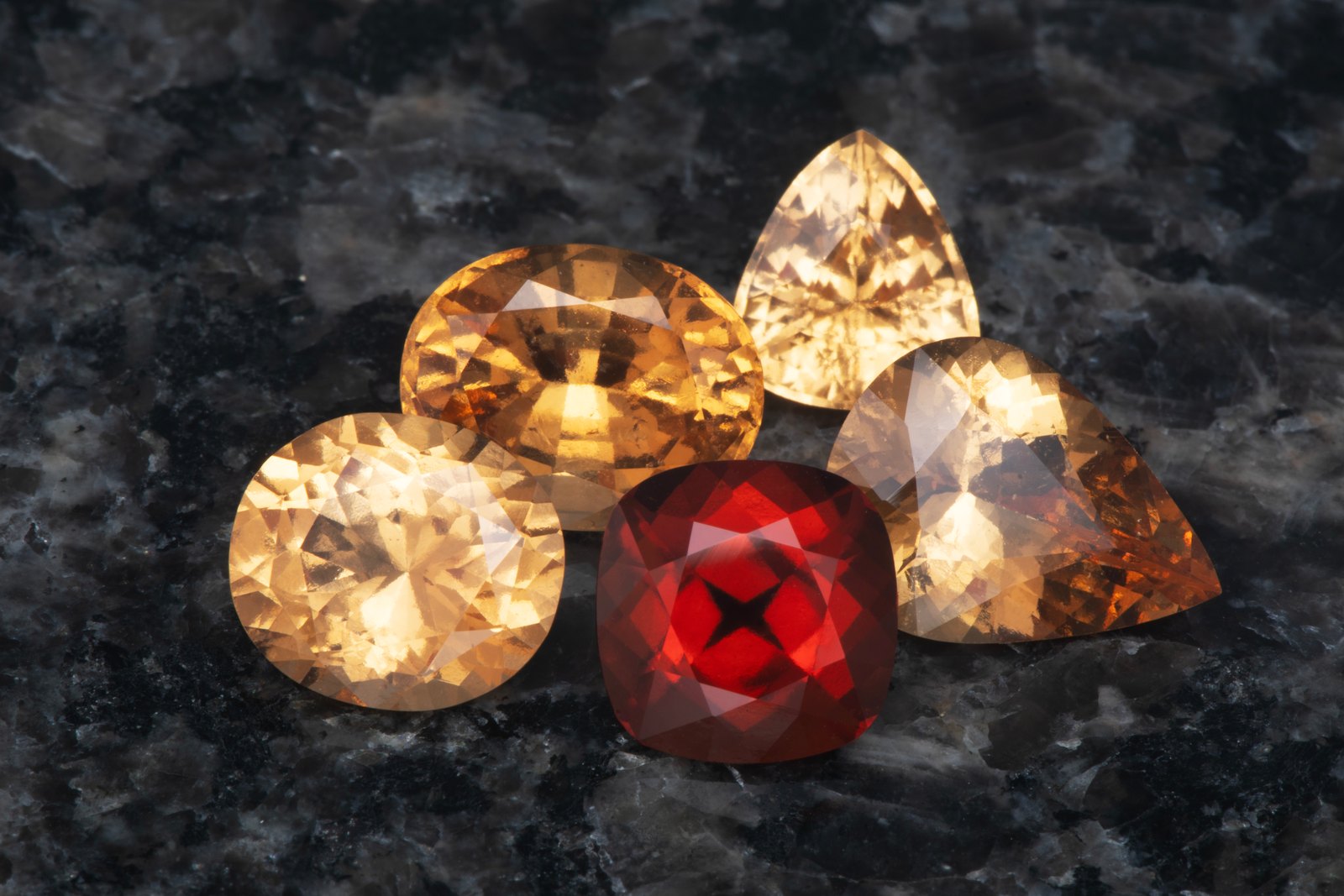
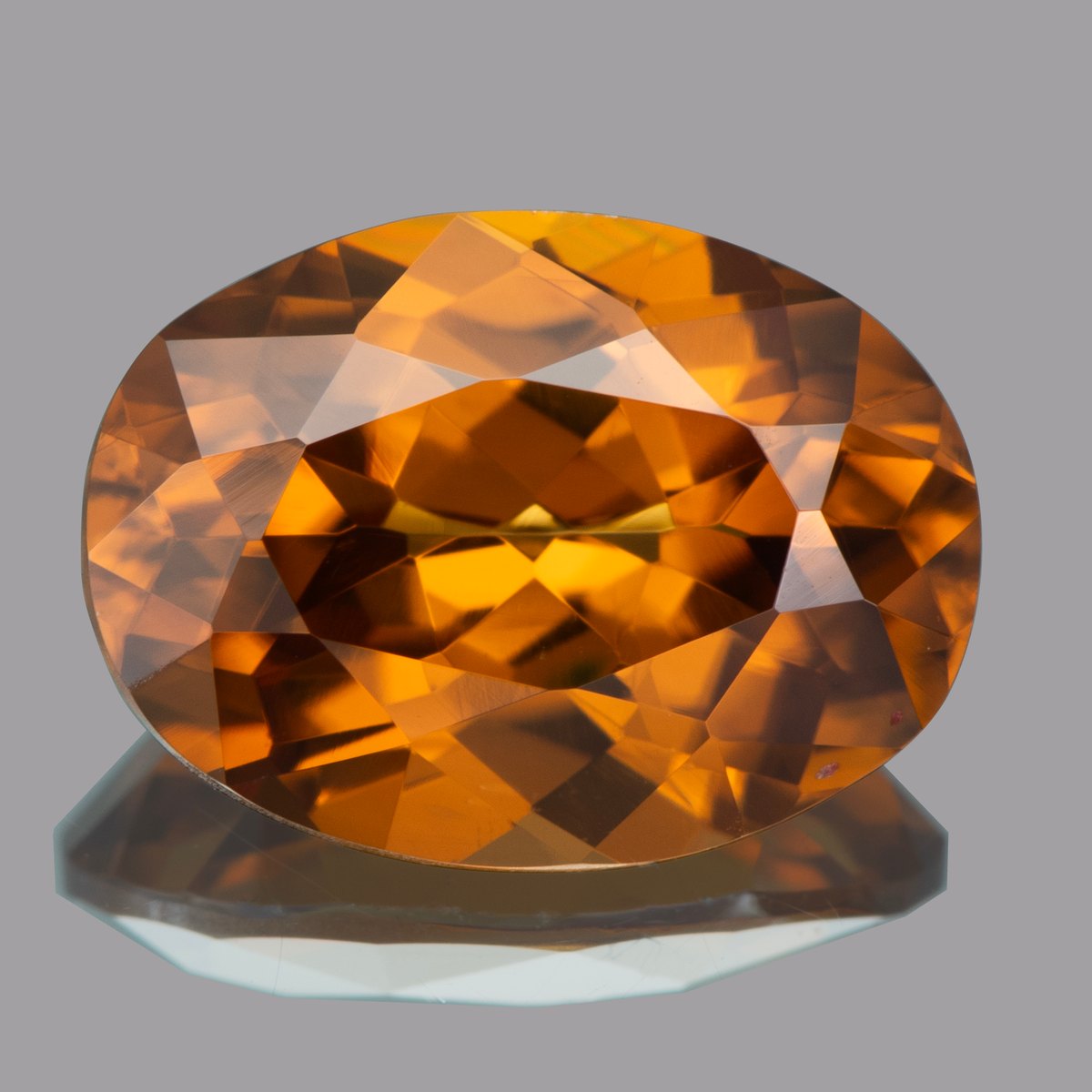
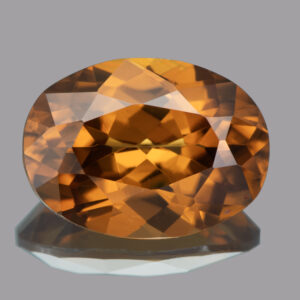
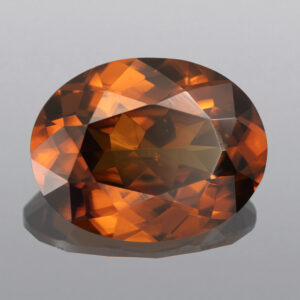
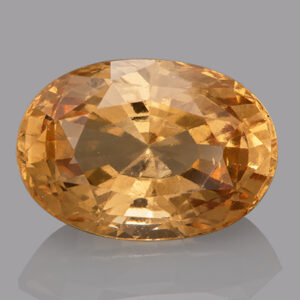
Honey to cinnamon color
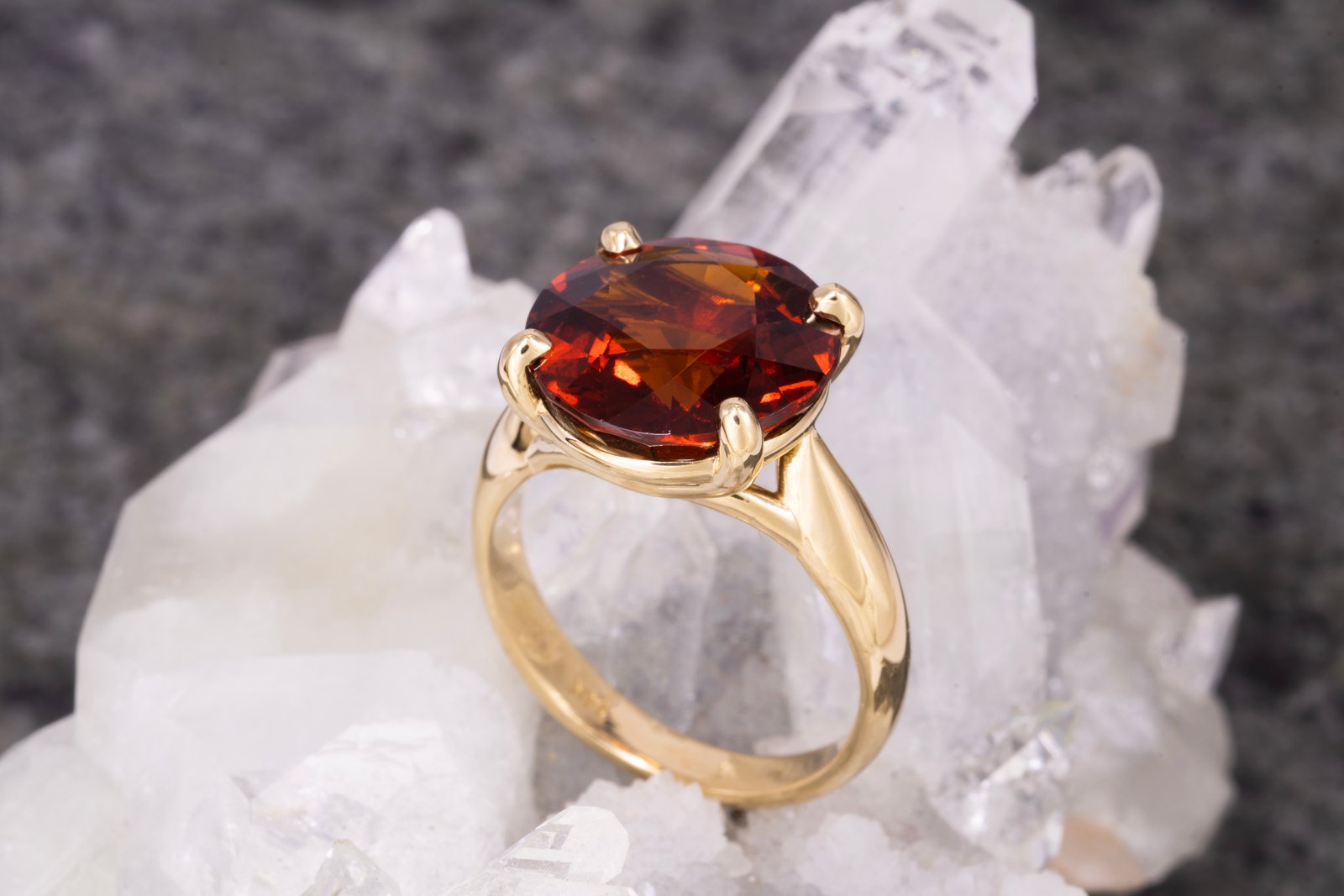
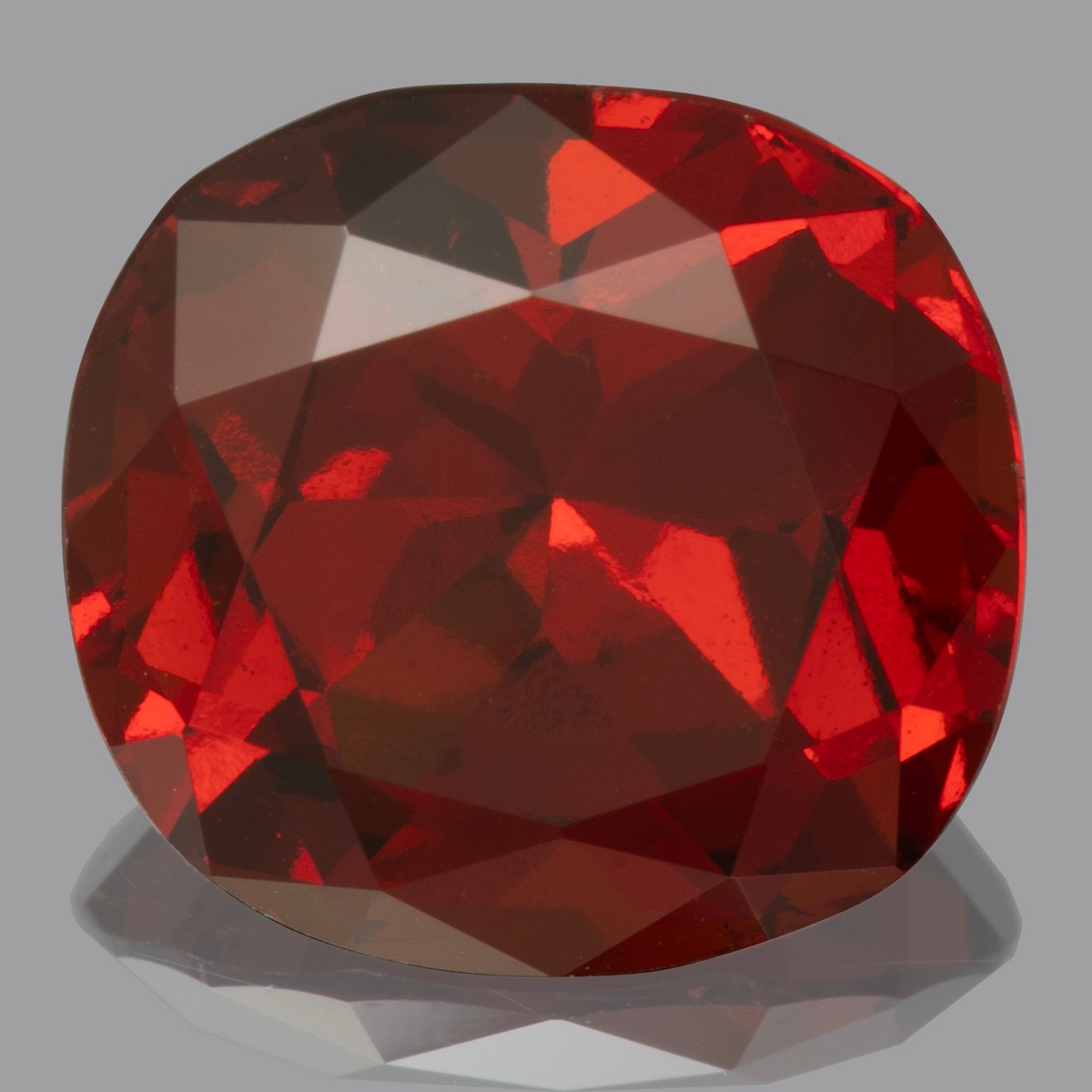
Look for a warm honey, cinnamon, or orange brown. Very dark or muddy stones go flat once they are set and worn.
- 3
Size: hessonite is usually worn large
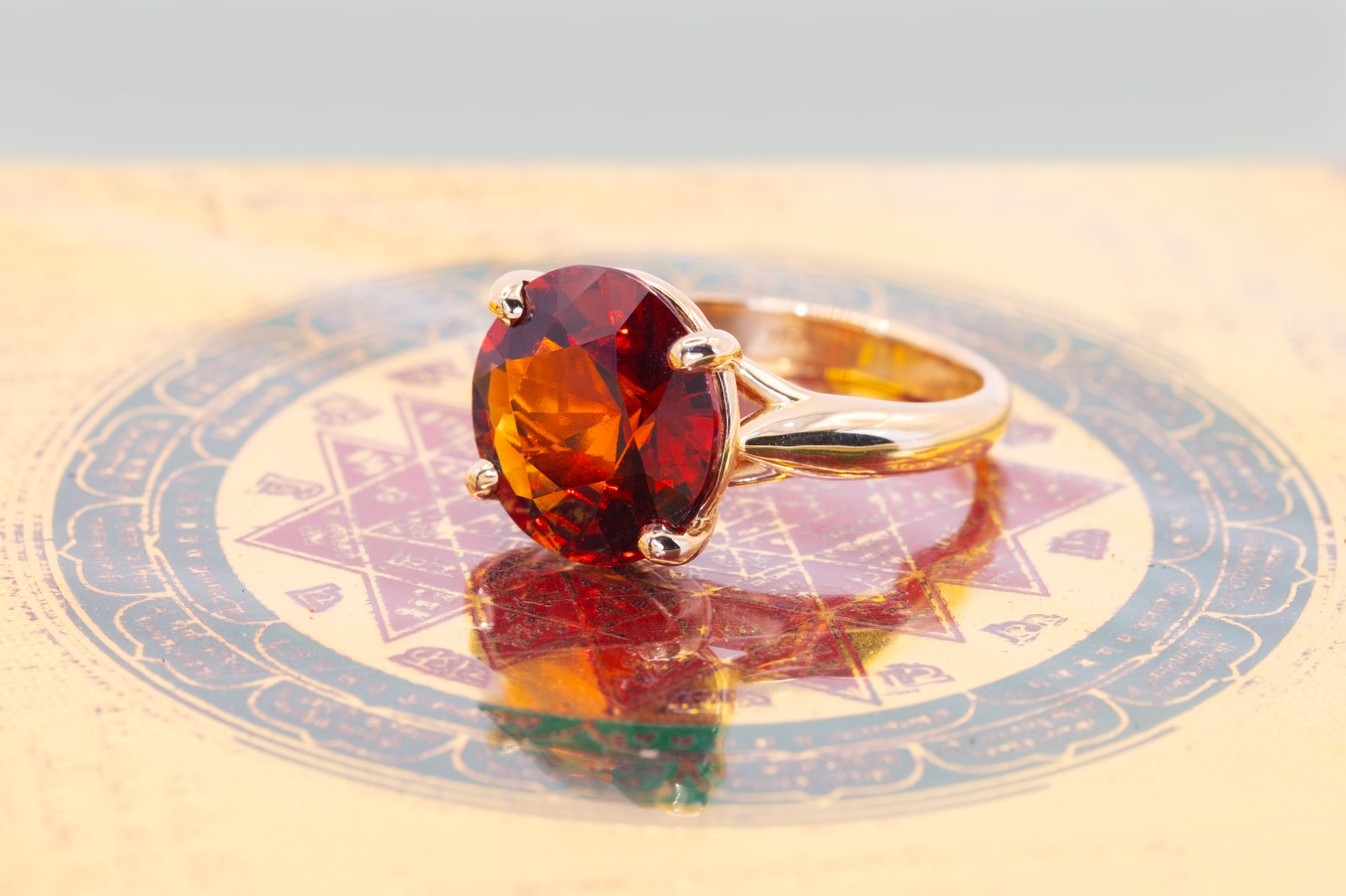
Most hessonite worn for astrology lands between about four and seven carats, which is reachable in this stone in a way it isn’t in sapphire.
- 4
Buy from a Vedic Gemologist whenever possible
A stone can be natural, well cut, and still be the wrong one for your chart. The chart comes first.
Hessonite and Rahu
Rahu is the north lunar node, the point where the Moon’s path crosses the Sun’s going north. Western astrology calls it the north node, and both names describe the same point. It isn’t a physical planet, and it has no sign of its own to rule.
Hessonite is the stone used for it. In India it’s called gomed, and the two names describe one gem: a grossular garnet in a warm honey to cinnamon color. Other garnets are not interchangeable with it.
Ketu, the south node, sits directly opposite Rahu and takes cat’s eye chrysoberyl instead. Most people end up asking about both, so our cat’s eye buying guide covers that side.
Natural and untreated
Garnet is one of the very few gemstones that almost never gets treated. There is no routine heating, no oiling, and no diffusion in hessonite the way there is in sapphire or emerald. That makes it one of the easier gems to buy honestly.
What does turn up is dye, surface coating, and glass composite material sold under the gomed name, mostly at the cheap end. Ask the seller directly whether the stone has been dyed, filled, coated, or assembled, and expect a plain answer.
On anything substantial, ask for a report from an independent lab. Our guide to reading a gemstone certificate walks through what the lines on one actually mean.
Color, clarity, and cut
Color runs from a pale honey through cinnamon to a deep orange brown. The warm, glowing middle of that range is what you want. Stones at the dark end look rich loose and then go flat and brownish once they are set.
Hessonite has a swirled, heat wave texture inside that other garnets don’t have. Gemologists call it treacle or roiled, and it’s characteristic of the stone rather than a fault. What to avoid is the cloudiness that kills transparency, or large dark inclusions sitting under the table.
On cut, look through the stone face up. One cut too shallow shows a pale window in the middle where the color drops out. A well cut hessonite holds its color evenly from edge to edge.
Choosing the size
Hessonite is one of the stones where a meaningful size is actually reachable. Most pieces worn for astrology land somewhere between four and seven carats, and that’s ordinary here in a way it would not be in blue sapphire.
Size isn’t a free choice, though. It depends on the chart and on how the stone is meant to sit beside the others you wear. Our how many carats page sets out how that gets decided.
A bigger stone is not automatically a better one. A clean, well colored five carat hessonite will do more for you than a murky eight carat, and it usually costs less.
What hessonite costs
As of 2026, good natural hessonite generally runs from roughly fifty dollars per carat at the commercial end up to a few hundred per carat for fine, clean, well colored material. Prices move with the market, so read that as a range and not a quote.
It’s among the least expensive of the nine planetary gemstones, which is exactly why size is within reach. Anything priced far below that range is usually dyed, filled, or not hessonite at all.
Setting and care
Hessonite sits around 7 to 7.5 on the hardness scale, so it’s durable enough for a ring but softer than sapphire. A protective setting helps on a stone you wear every day, and it should come off before heavy work.
Metal and finger are traditional choices rather than gemological ones, and they depend on the chart. Our page on which metal for each gemstone covers it. For cleaning, warm water with mild soap and a soft brush is all it needs. Skip ultrasonic and steam cleaners.
Browse our hessonite collection
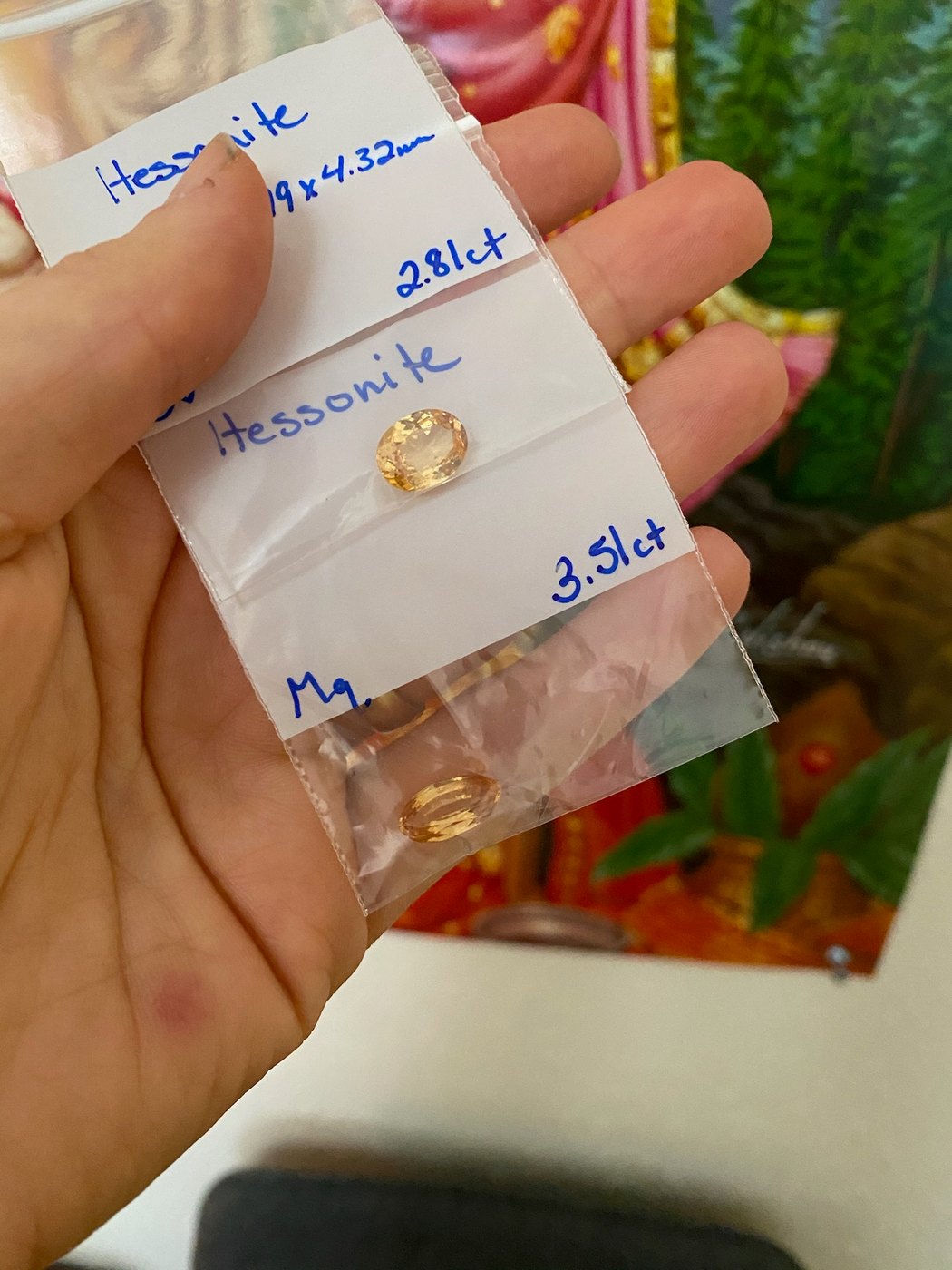
Astrological Gem specializes in carrying only the finest quality gems for Jyotish. Our selection is limited for a reason: very few gems possess both the quality we require and the competitive price point we insist on.
Before you buy
It’s best to buy from a qualified Vedic Gemologist who understands quality criteria, and which inclusions are acceptable for astrology. The right source will have done most of the hard work for you, so anything in their collection already meets the standard.
Once you’re clear on the quality of the hessonite, you can follow your judgment and intuition about which gem would be best for you.
Astrological Gem specializes in carrying only the finest quality gems for Jyotish. Our selection is limited for a reason: very few gems possess both the quality we require and the competitive price point we insist on.
Further reading: Rahu in Vedic astrology · Cat’s eye buying guide · Secondary gemstone buying guide